

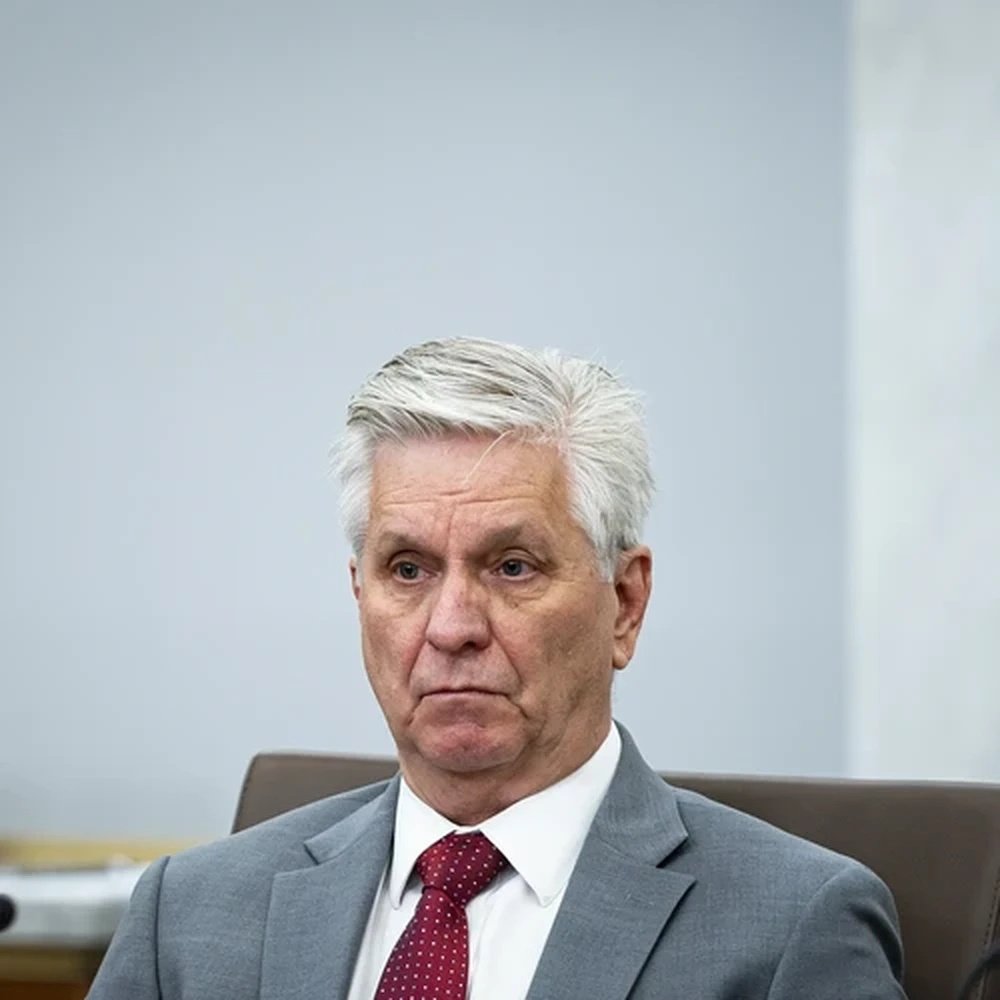
Federal Reserve Governor Christopher Waller signaled on Monday that interest rates may need to rise in the near term if upcoming economic data shows inflation remaining stubbornly above the central bank’s 2% target. Speaking to the New York Association for Business Economics, Waller described monetary policy as being at a critical “crossroads,” warning that the Fed cannot afford to be “lackadaisical” if incoming reports indicate prices are breaking in the wrong direction.
Waller’s remarks come at a sensitive time, underscored by a resurgence in military conflict between the United States and Iran. This geopolitical tension threatens to push oil prices higher, potentially erasing recent energy-cost reliefs that were expected to help cool the economy. Crucial data, starting with Tuesday’s consumer inflation report, will heavily influence the central bank’s next moves.
While Waller noted there is still a “credible case” for inflation to naturally recede toward the 2% goal under current policy settings, he expressed equal concern over a plausible counter-scenario. If data over the coming weeks shows inflation plateauing or trending upward, tighter monetary policy will be required.
A primary concern for Waller is that recent inflation data suggests price pressures are broadening across the wider economy. This systemic shift goes beyond isolated factors like last year’s import tariff hikes or the recent spike in energy costs.
However, Waller pointed out key differences between the current economic landscape and the severe inflationary breakout following the COVID-19 pandemic. Today’s labor market is more stable and less overheated. Crucially, the Fed still benefits from well-anchored public inflation expectations—an advantage Waller insisted the Federal Open Market Committee (FOMC) must not squander by delaying necessary action.
“If we get another hot reading on core inflation this week, then the FOMC will need to consider tightening monetary policy in the near term,” Waller stated, adding that it would take several consecutive months of lower readings to convince him that inflation is sustainably on the decline.
Though wary of raising rates prematurely and inadvertently triggering a recession, Waller emphasized that the stable job market gives the Fed room to maneuver. He urged colleagues to avoid repeating the mistakes of a few years ago when the central bank waited too long to address rising prices. At its June 16-17 meeting, the Fed held interest rates steady, leaving policymakers evenly split on whether a rate hike would be necessary later this year.
