

A profound shift in consumer psychology is fundamentally rewriting the playbook for banking and retail lending. While previous generations oriented their financial goals around building physical asset value—such as buying a home, securing land, or purchasing a car—today’s young professionals are building their budgets around buying memories.
From international concert tours and high-altitude Himalayan treks to destination weddings, experiential spending has migrated from the margins of discretionary income straight to the core of personal financial planning.
The Paradigm Shift in Numbers
-
The Traditional Baseline: According to India’s All India Debt and Investment Survey, land and buildings have historically dominated household wealth, accounting for roughly 87% of asset value in urban areas and 91% in rural communities.
-
The New Outlook: Data from the Mastercard Economics Institute’s Travel Trends report highlights that globally, experiential spending has remained highly resilient. Even in the face of broader macroeconomic uncertainty, consumers are actively prioritizing travel and life experiences over accumulating physical goods.
-
Macro Impact: This isn’t a flash in the pan. The World Travel & Tourism Council projects that the travel and tourism sector alone will inject nearly ₹22 trillion into India’s GDP, driving serious scale across related consumer ecosystems.
How Financial Institutions are Adapting
To capture the loyalty of this shifting demographic, banks and financial institutions are changing how they evaluate the “value proposition” of their financial products:
-
From Transactions to Lifestyle Participation: Traditional credit cards typically rewarded total spending volume. New-age portfolios are pivoting to reward spending intent, tailoring features directly to the lifestyle and travel requirements of globally mobile users.
-
Seamless Travel Utility: Rather than offering vanilla cash-back programs, banks are focusing heavily on cross-border utility. Features like zero foreign exchange (forex) markups, curated airport lounge access, instant travel insurance, and frictionless international mobile payments (such as travel-optimized credit lines built over UPI) are becoming standard requirements.
-
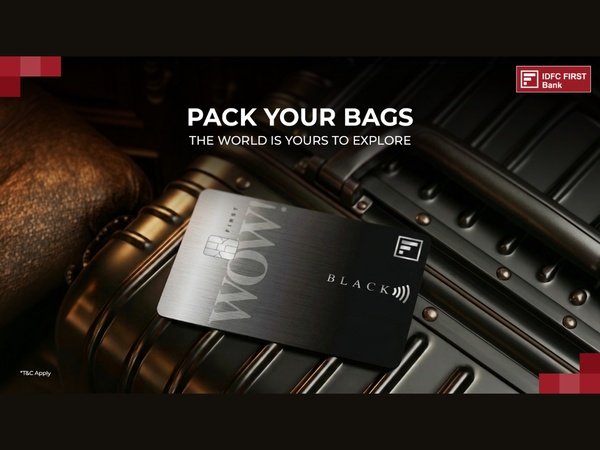
Designing for Frictionless Utility: A prime example of this evolution is the rising trend of credit cards designed specifically around travel access and global mobility (such as IDFC FIRST Bank’s FD-backed FIRST WOW! Black card). These platforms function less like standard payment mechanisms and more like digital enablers designed to remove structural friction when moving through the physical world.
The Takeaway Consumer finance is officially entering an experience-led era. The defining question for financial institutions moving forward will no longer simply be how efficiently a product helps an individual make a purchase—but how effectively it helps them participate in the experience economy.
