

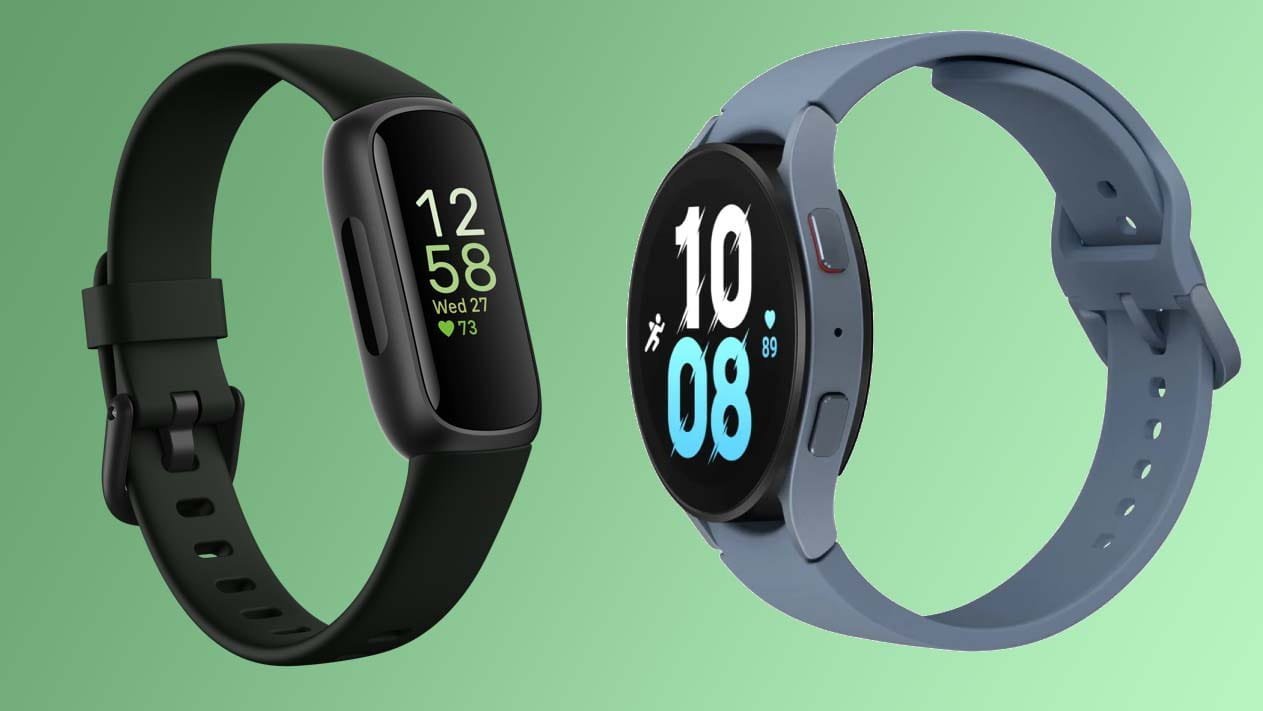
Selecting the right smartwatch requires balancing health tracking precision, battery endurance, operating ecosystem compatibility, and budget. Whether you need a simple daily step tracker, a seamless smartphone extension, or a dedicated multi-sport training computer, this guide breaks down six top choices across price points.
Comparison Matrix: Key Specifications
| Product Model | Display Type & Size | GPS Tracking | Operating System & Platform | Battery Life | Primary Use Case |
| Redmi Watch 5 Active | 2.0″ LCD (500 nits) | No (Uses Phone GPS) | Xiaomi HyperOS | Up to 18 Days | Entry-level tracking & Bluetooth calling |
| Amazfit Active 2 Square | 1.75″ AMOLED | Multi-Satellite GPS | Zepp OS | Up to 10 Days | Outdoor fitness tracking & multi-sport use |
| Samsung Galaxy Watch8 | 1.47″ Super AMOLED | Dual-Frequency GPS | Wear OS (Samsung) | ~30 Hours | Full smartwatch integration for Android/Samsung |
| Apple Watch SE 3 (2025) | 1.57″ Retina | Built-in Multi-GNSS | watchOS | Up to 18 Hours | Essential smartwatch integration for iPhone |
| Google Pixel Watch 5 | 41mm Actua AMOLED | Dual-Frequency GPS | Wear OS 7 | 30 to 48 Hours | Deep Google ecosystem integration |
| Garmin Forerunner 965 | 1.4″ AMOLED | Multi-Band GPS + Maps | Garmin OS | Up to 23 Days | Advanced athletic performance & running |
Detailed Breakdown by Category & User Profile
1. Entry-Level & Everyday Convenience (Under ₹5,000)
-
Redmi Watch 5 Active
-
Key Strengths: Features a large 2.0-inch display for easy reading, Bluetooth call handling directly from your wrist, and up to 18 days of battery runtime on a single charge.
-
Trade-Offs: Uses an LCD panel rather than high-contrast AMOLED, lacks native GPS for phone-free run mapping, and has limited third-party application support.
-
Best For: Casual users wanting basic step, sleep, and heart-rate tracking with long battery life and call support.
-
2. Mid-Range Multi-Sport & Health Focus (₹10,000 – ₹20,000)
-
Amazfit Active 2 Square
-
Key Strengths: Sharp 1.75-inch AMOLED screen, integrated multi-satellite positioning for outdoor routing, 5 ATM water resistance, and 160+ workout modes.
-
Trade-Offs: Battery drains faster with continuous GPS usage; squared aesthetic is a subjective styling preference.
-
Best For: Fitness enthusiasts seeking dedicated route tracking and long battery performance without full app-store overhead.
-
-
Samsung Galaxy Watch8 (44mm)
-
Key Strengths: High-resolution Super AMOLED display, Wear OS app ecosystem, dual-frequency GPS, and detailed body composition and health tracking.
-
Trade-Offs: Requires daily or near-daily charging (~30-hour battery runtime); optimized specifically for Android and Samsung devices.
-
Best For: Android users looking for rich app integration, messaging, and health monitoring.
-
3. Flagship Smartwatch Ecosystems (₹20,000 – ₹40,000)
-
Apple Watch SE 3 (2025)
-
Key Strengths: Powered by Apple’s S10 silicon, seamless integration with iOS, fast charging support, compact form factor, and essential safety features (fall & crash detection).
-
Trade-Offs: Requires daily charging (~18 hours); strictly compatible with iPhones only; lacks some hardware sensors found on Ultra or Series lines.
-
Best For: iPhone owners who want core Apple Watch connectivity, workout tracking, and navigation at an accessible entry point.
-
-
Google Pixel Watch 5 (41mm)
-
Key Strengths: High-brightness Actua AMOLED display (up to 3,000 nits), Wear OS 7, dual-frequency GPS, and comprehensive Fitbit health and recovery tracking.
-
Trade-Offs: Premium price point; requires daily charging under typical always-on display usage.
-
Best For: Users seeking a sleek, rounded aesthetic with native Google app integration and Fitbit health analytics.
-
4. Premium Athletic Performance Tool
-
Garmin Forerunner 965
-
Key Strengths: Multi-band GPS with full-color onboard mapping, detailed training readiness and recovery metrics, a bright 1.4-inch AMOLED display, and up to 23 days of battery life.
-
Trade-Offs: High investment price tag; focused heavily on sports analytics rather than voice assistants or broad app stores.
-
Best For: Marathon runners, triathletes, and serious athletes who prioritize precise training data, route navigation, and extended battery endurance.
-
Buyer Checklist: Key Decisions Before Purchasing
-
Operating System Compatibility: Confirm watch OS support before buying—Apple Watches work exclusively with iPhones, whereas Wear OS devices (Samsung, Google) target Android users.
-
Built-in GPS vs. Connected GPS: If you prefer running, cycling, or walking outdoors without carrying your smartphone, select a watch with built-in multi-GNSS or multi-band GPS.
-
Smart Features vs. Battery Life: Full smartwatch platforms (Wear OS, watchOS) offer interactive apps and messaging but typically require charging every 1 to 2 days. Specialized sports and fitness platforms (Garmin, Zepp OS, HyperOS) trade complex app ecosystems for multi-day or multi-week battery endurance.
