

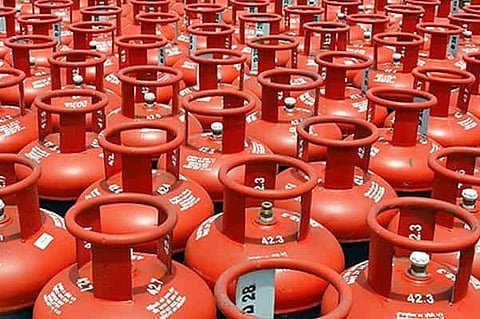
In a significant breakthrough for India’s energy security, two Indian-flagged LPG carriers—Pine Gas and Jag Vasant—successfully transited the volatile Strait of Hormuz on Monday evening. The vessels are carrying a combined 92,612 metric tonnes of liquefied petroleum gas (LPG), roughly equivalent to a full day’s worth of national cooking gas consumption.
The successful passage follows high-level diplomatic engagement between New Delhi and Tehran, as the region remains gripped by the ongoing conflict.
Arrival Schedule & Vessel Details
According to the Ministry of Ports, Shipping, and Waterways, the tankers are expected to reach the Indian west coast between March 26 and March 28, 2026.
| Vessel Name | Owner | Charterer | Expected Arrival | Destination Port |
| Jag Vasant | Great Eastern Shipping | BPCL | March 26, 2026 | Kandla, Gujarat |
| Pine Gas | Seven Islands Shipping | HPCL | March 27/28, 2026 | New Mangalore |
Strategic Navigation: The “Identity Signal”
To ensure safe passage through the world’s most sensitive maritime chokepoint, the vessels employed specific precautionary measures:
- Alternative Routing: Instead of the conventional straight path, both ships took a circuitous route through Iranian territorial waters between the islands of Larak and Qeshm.
- Explicit Broadcasting: The tankers updated their AIS (Automatic Identification System) transponders to broadcast “INDIA SHIP AND CREW” rather than their final destinations, ensuring Iranian authorities could clearly identify their neutral status.
- Naval Escort: Once in the Gulf of Oman, the ships are being provided a 24-hour escort by Indian Navy warships to guide them toward Indian ports.
Impact on Domestic Supply
The arrival of these shipments is critical as India manages an LPG supply crunch caused by the regional war.
- Supply Boost: Combined with previous arrivals (MT Shivalik and MT Nanda Devi), these vessels bring the total recent maritime LPG delivery to over 1.85 lakh tonnes.
- Remaining Stranded Fleet: Following this transit, 20 Indian-flagged vessels remain on the western side of the Strait of Hormuz. The government has prioritized the safety of the approximately 600 Indian seafarers still in the conflict zone.
Looking Ahead: Strategic Reserves
Amidst the disruption, Prime Minister Narendra Modi assured Parliament that India’s Strategic Petroleum Reserves (SPR) are being expanded to over 53 lakh metric tonnes to insulate the domestic market from such geopolitical shocks. While commercial LPG allocations were recently hiked by 20%, officials warn that the situation remains “worrisome” until regular shipping traffic through the Persian Gulf is restored.
Note: Ship tracking data indicates that while the tankers have cleared the Strait, they are currently maintaining a steady speed under Navy watch to avoid any potential interference from decentralized maritime groups.
