

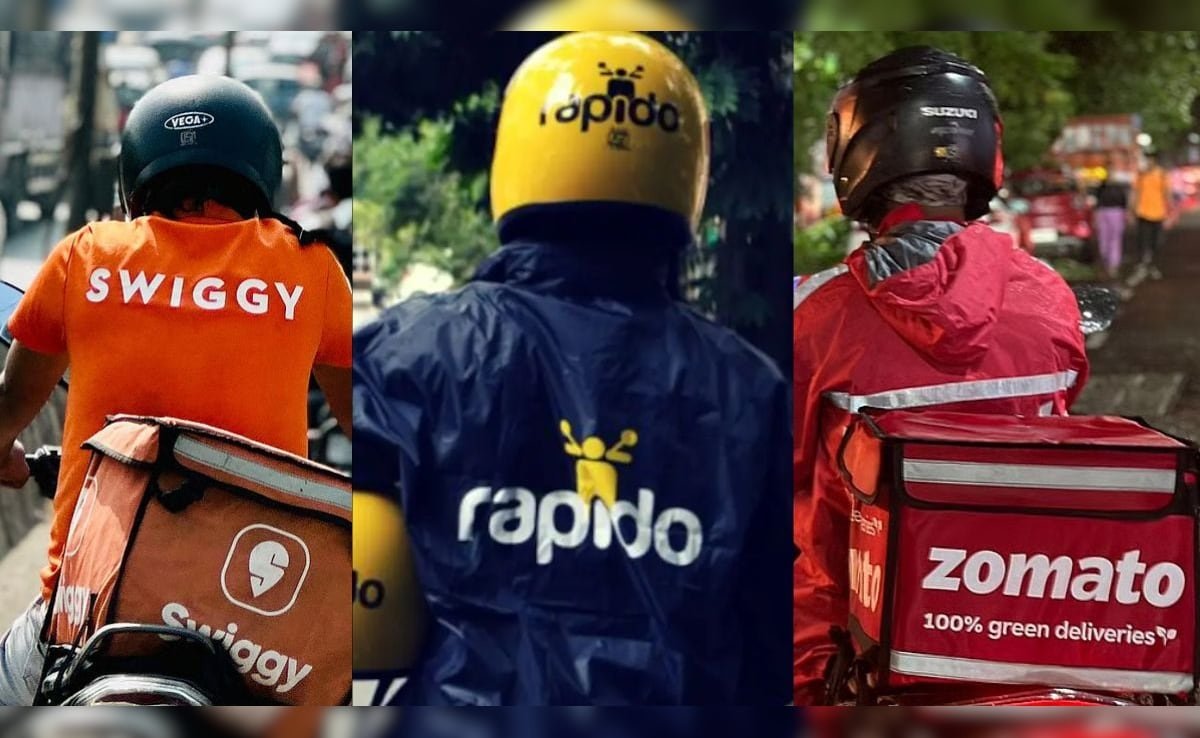
As India braces for a scorching summer and the high-octane excitement of the IPL season, the quick commerce and food delivery sectors are preparing for a massive spike in orders. However, behind the “10-minute delivery” promise lies a growing concern: a critical shortage of the “gig” workforce required to keep the wheels turning.
Platforms like Zomato, Swiggy, Zepto, and Blinkit are anticipating a 25% surge in demand, but the supply of riders is hitting a seasonal bottleneck.
The Summer Struggle: Why Riders are Disappearing
Three major factors are converging to create a “summer of worry” for these platforms:
- The Harvest Exodus: A significant portion of India’s gig workforce consists of migrant laborers who return to their home states during March and April for the Rabi crop harvest. This annual migration creates a temporary but severe labor vacuum in Tier-1 cities.
- The Heatwave Factor: With temperatures projected to cross 45°C in many regions, the physical toll on delivery partners is immense. Increased fatigue and health risks lead to higher churn rates and fewer active hours per rider during peak afternoon slots.
- Election & Festivity: In certain regions, local festivities and administrative engagements (such as election-related temporary work) offer alternative, less physically demanding income sources for gig workers.
IPL vs. Availability: The Demand Peak
The Indian Premier League (IPL) historically triggers a 15–20% jump in late-evening food and snack orders. This year, the overlap with extreme heat means demand is peaking exactly when rider availability is most strained.
| Metric | Expected Change | Impact on Consumers |
| Order Volume | +25% (Est.) | Higher “Surge Pricing” |
| Rider Fleet | -15% (Seasonal Dip) | Longer delivery wait times |
| Platform Costs | Increased Incentives | Potential temporary delivery fee hikes |
How Companies are Fighting Back
To prevent a total service meltdown, platforms are deploying several “retention” strategies:
- “Heat Incentives”: Extra payouts for riders willing to work during the 12 PM – 4 PM window.
- Rest Zones: Partnering with local stores and restaurants to provide “comfort stations” with drinking water and cooling fans for riders.
- Gamified Bonuses: High-value rewards for completing a certain number of deliveries during IPL match hours.
- Expansion of EV Fleets: Increasing the use of electric vehicles, which are often preferred by riders due to lower operating costs compared to petrol bikes during high-frequency summer shifts.
The Long-Term Outlook
While the immediate focus is on surviving the summer, experts suggest this volatility highlights the fragility of the gig economy model. As quick commerce becomes an essential service rather than a luxury, companies may need to move toward more sustainable workforce models, including better insurance, health safeguards, and more predictable income structures to prevent the “annual exodus.”
