

The Indian government has issued an urgent advisory to the nation’s automotive sector, calling for a radical shift in production strategies to mitigate the impact of the ongoing conflict in Iran. With the war threatening critical oil and gas imports from the Gulf, the Ministry of Heavy Industries is pushing manufacturers to conserve fuel and transition toward more sustainable energy sources.
Key Directives for the Auto Industry
The government memo, dated March 25, outlines several strategic pivots aimed at insulating the economy from energy shocks:
- Energy Transition: Factories are being urged to switch from oil-based fuels to electricity wherever technically feasible.
- Operational Efficiency: Manufacturers must optimize production schedules to eliminate “idle and standby” fuel consumption.
- Material Innovation: To combat rising costs and raw material shortages, the ministry is encouraging the use of recycled aluminum and alternative packaging materials for non-critical components.
- Supply Chain Resilience: Companies are being asked to “tighten” production timelines to maximize output while energy is still available.
A Growing Energy Crunch
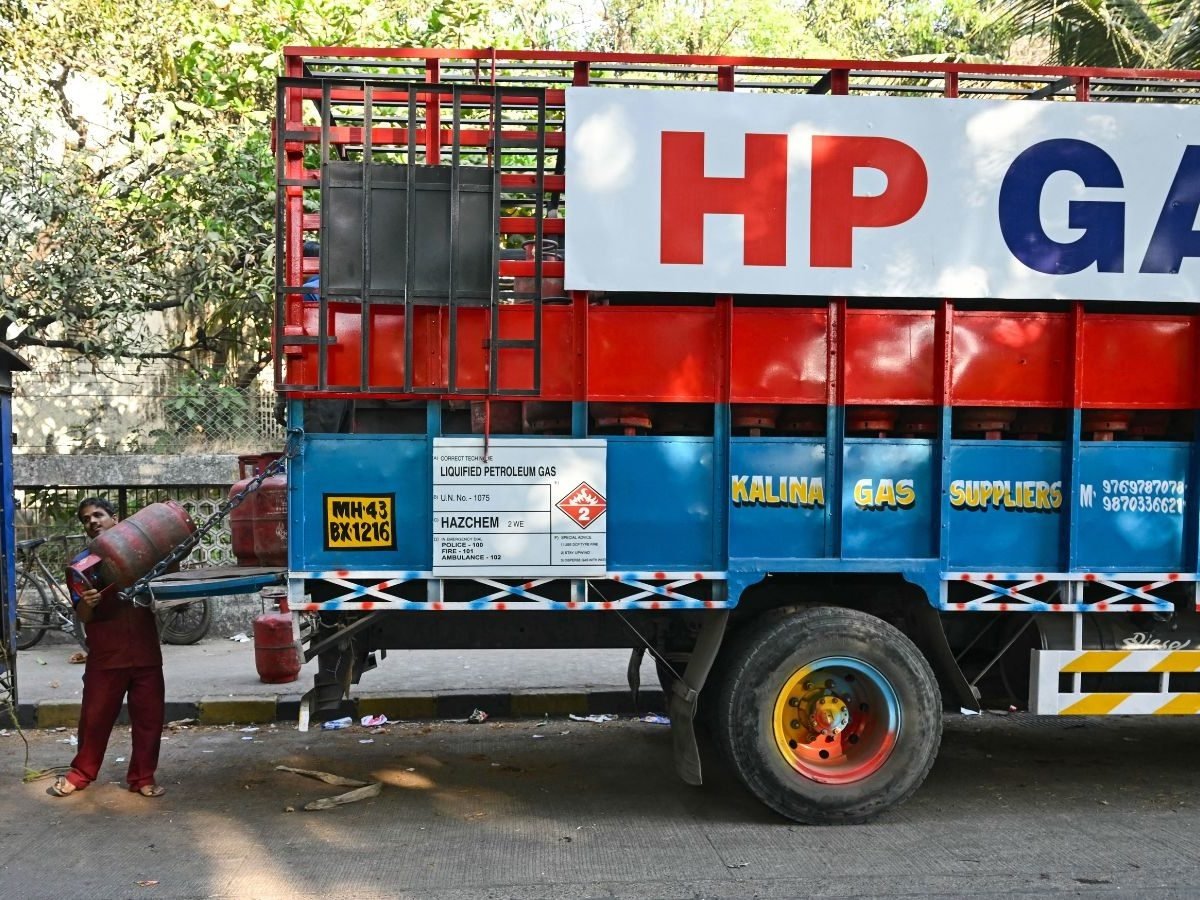
As one of the world’s largest importers of oil and gas, India is feeling the strain of the Hormuz crisis. The government has already begun prioritizing gas supplies for households, leaving industrial sectors—including parts suppliers for giants like Maruti Suzuki, Tata Motors, and Mahindra—operating at only about 80% of their required capacity.
Industry Reaction
While the move signals the gravity of the geopolitical situation, some industry leaders are bracing for a long-term shift. One executive noted that while immediate factory changes may be difficult, the advisory serves as a clear warning that the conflict is unlikely to resolve quickly.
The shortage is already rippling through other sectors, affecting everything from chemicals to beer production, forcing the government to intervene before the booming vehicle market hits a dead end.
