

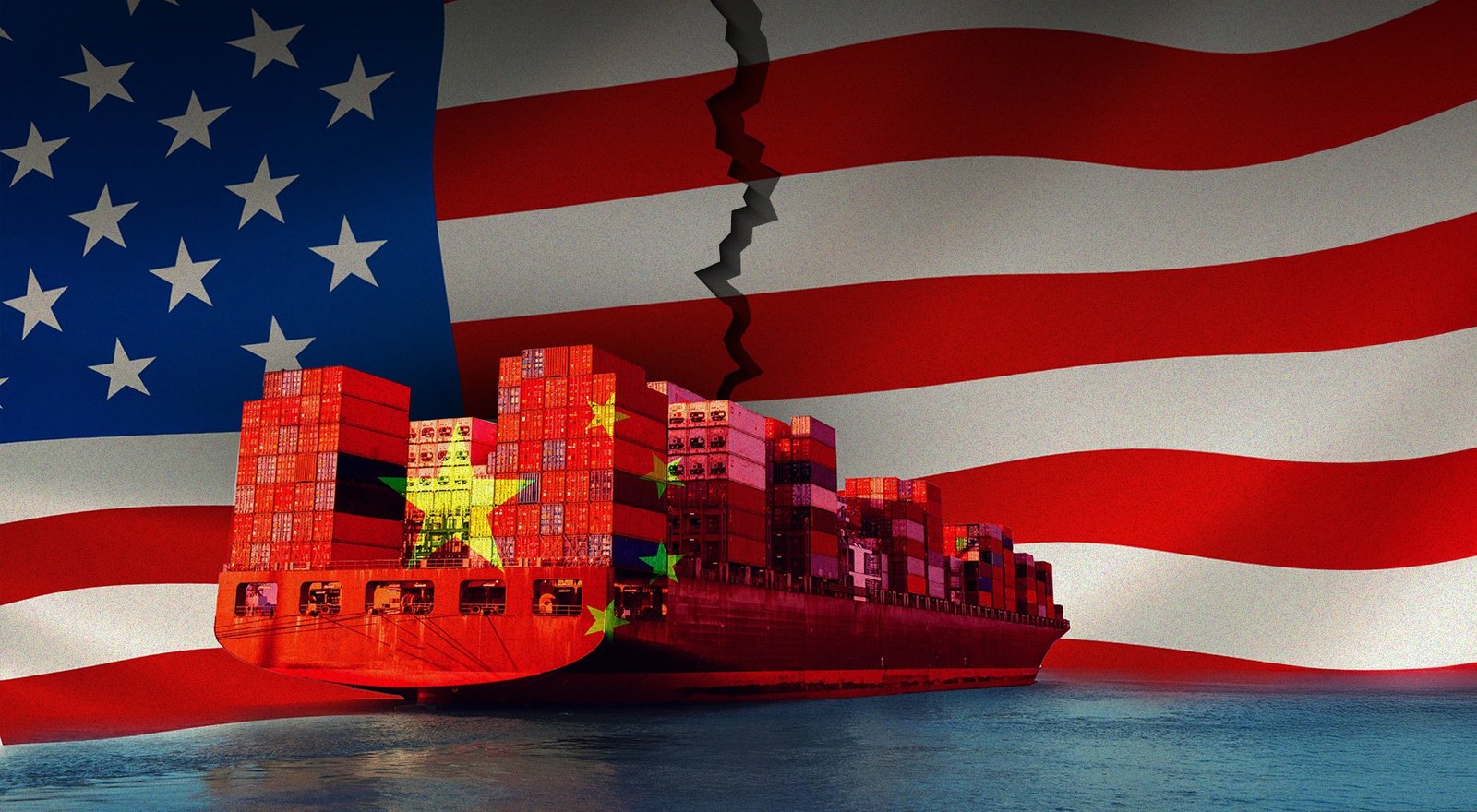
A significant divide has emerged among World Trade Organization (WTO) members regarding the extension of the long-standing moratorium on customs duties for electronic transmissions. According to a report by the Global Trade Research Initiative (GTRI), this disagreement highlights a growing rift between developed and developing nations over the future of digital trade.
What is the E-Commerce Moratorium?
Since 1998, WTO members have periodically agreed not to impose customs duties on electronic transmissions (such as software, music, movies, and digital books). While originally intended to foster the growth of the internet economy, the “temporary” freeze has been extended multiple times over nearly three decades.
The Core of the Conflict
The GTRI report identifies two distinct camps with opposing views on the economic impact of the duty freeze:
1. The Pro-Extension Group (Developed Nations)
-
Key Players: USA, European Union, Japan, and several other developed economies.
-
Argument: They argue that the moratorium provides stability and predictability for the global digital economy. Lifting it would lead to a “digital tax war,” increase costs for consumers, and stifle innovation in cross-border digital services.
2. The Opposing Group (Developing Nations)
-
Key Players: India, South Africa, and several African and Asian nations.
-
Argument: These countries argue that the moratorium results in significant revenue loss. As physical goods (like DVDs or CDs) are replaced by digital downloads and streaming, developing nations lose the ability to collect traditional customs duties.
-
Policy Space: They seek “policy space” to regulate digital imports and protect domestic tech industries.
Economic Impact: The GTRI Perspective
The GTRI highlights that the definition of “electronic transmissions” remains a major point of contention. Developing nations fear that as 3D printing and advanced digital manufacturing grow, even physical trade could eventually bypass customs under the guise of digital transmissions.
What’s Next?
The current moratorium is set to expire soon, and the lack of consensus threatens to disrupt the upcoming WTO Ministerial Conference.
-
If extended: The digital economy continues under the status quo, benefiting global tech giants.
-
If allowed to expire: Countries like India could potentially begin drafting frameworks to tax digital imports, fundamentally changing how Netflix, Spotify, or Adobe operate across borders.
