

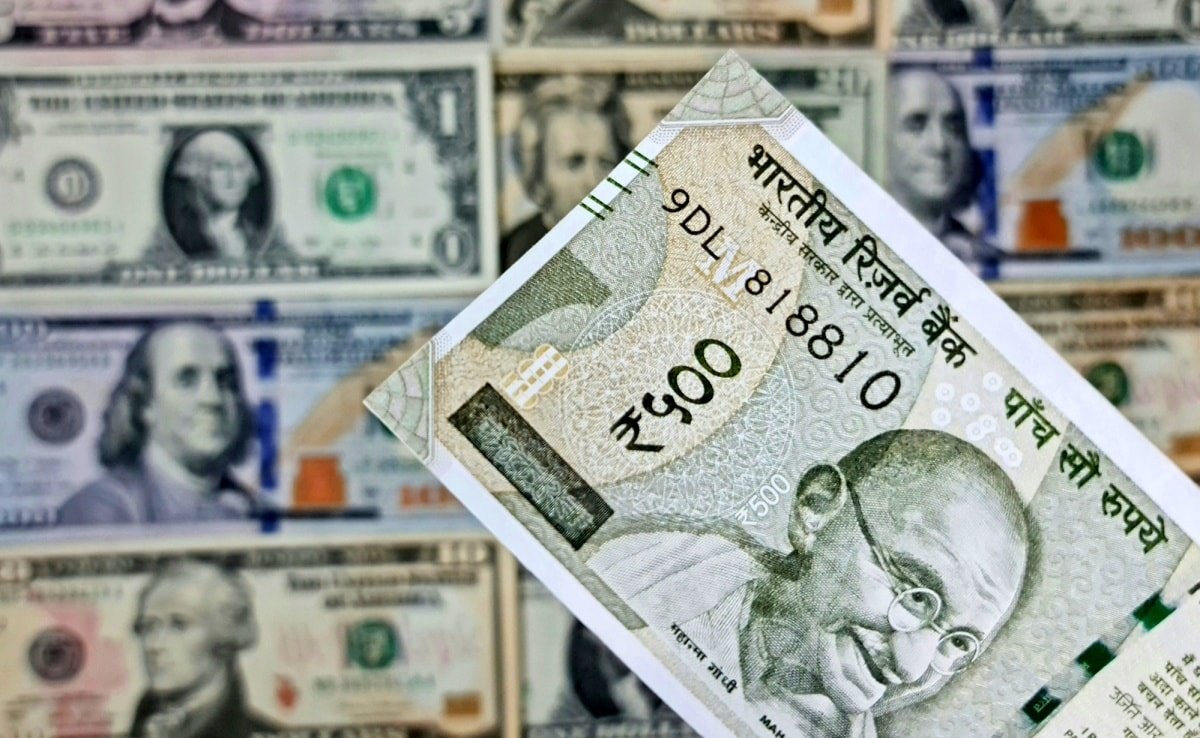
MUMBAI – The Indian rupee saw a sharp recovery on Monday morning after the Reserve Bank of India (RBI) launched one of its most aggressive regulatory strikes in over a decade to stop the currency’s downward spiral.
The rupee opened at 93.56 against the U.S. dollar, jumping 125 paise from Friday’s record low of 94.81. The surge follows a surprise directive from the central bank capping the amount of currency banks can hold for trading at $100 million per day.
Forcing a “Dollar Sell-Off”
By setting this strict limit, the RBI is effectively forcing banks to sell off their large holdings of U.S. dollars. Market experts estimate that lenders may have to unwind between $10 billion and $18 billion in positions almost immediately.
This move, described by some as “synthetic intervention,” allows the central bank to support the rupee without further draining India’s official foreign-exchange reserves, which have already dropped by $30 billion this month.
Banks Request More Time
The banking sector has responded with concern, noting that they currently hold between $40 billion and $50 billion in total positions. Lenders have reportedly asked the RBI to extend the April 10 deadline for these new rules, fearing that a rushed exit could lead to disorderly markets. So far, the central bank has not signaled any intention to delay.
Geopolitical Pressures Remain
Despite the initial success of the RBI’s move, analysts warn that the relief may be short-lived. The ongoing conflict between Israel and Iran continues to dominate the economic outlook. As long as oil prices remain near $115 per barrel and global investors move their money into “safe-haven” assets like the U.S. dollar, the rupee will remain under pressure.
“The geopolitical factor dominates,” noted Kunal Sodhani, head of treasury at Shinhan Bank. He warned that while the RBI’s rules might provide a brief boost, the rupee could still fluctuate between 93.50 and 96.00 if the conflict in the Middle East escalates further.
A Tough Month for the Rupee
The rupee has been Asia’s worst-performing currency this year, falling more than 4% since the regional conflict began a month ago. While the new limits on banks offer a new tool for the RBI to manage volatility, the long-term value of the currency will likely continue to track global oil prices and the stability of the Middle East.
