

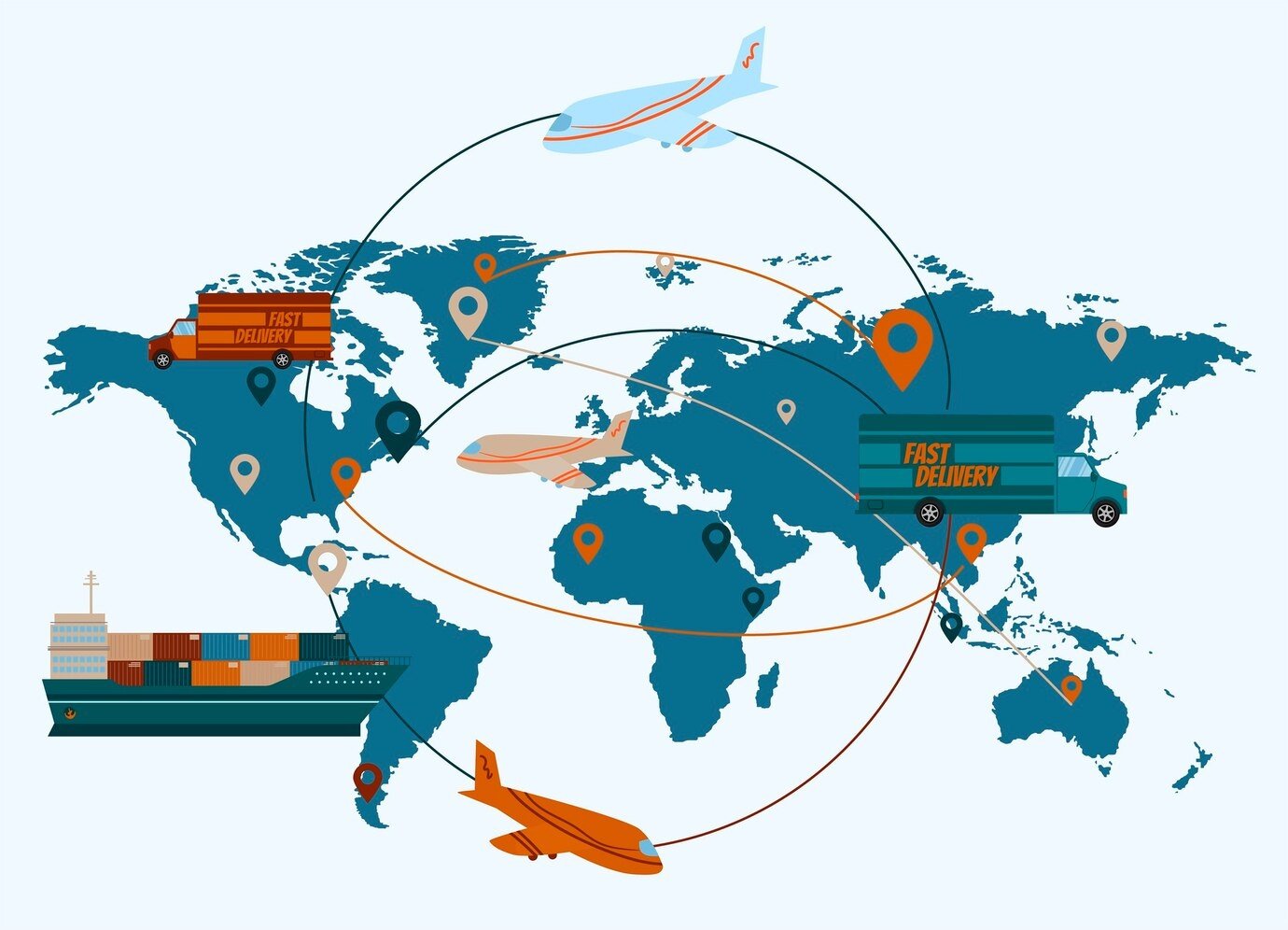
New Delhi – In response to the intensifying conflict in West Asia and the resulting disruption of critical trade routes, the Indian government is reportedly fast-tracking a series of “sweeping reforms.” These measures are designed to insulate the domestic economy from external shocks and re-engineer India’s supply chain resilience.
The move comes as the “Strait of Hormuz crisis” continues to impact energy imports and export logistics, forcing the Centre to shift from reactive measures to long-term structural changes.
1. The “Energy Independence” Push
With oil prices hovering around $105 per barrel and traditional Gulf supplies under threat, the government is accelerating:
-
Strategic Petroleum Reserves (SPR): Plans to significantly expand storage capacity to provide a larger buffer against supply cuts.
-
Alternative Energy Mandates: Faster implementation of green hydrogen and ethanol blending targets to reduce the “crude dependency” that currently drains foreign exchange.
2. Diversification of Trade Routes
To bypass the volatile Middle Eastern chokepoints, India is looking toward:
-
The IMEC Redesign: Re-evaluating the India-Middle East-Europe Economic Corridor (IMEC) in light of current hostilities, while exploring more direct maritime links to Africa and Southeast Asia.
-
Incentivizing Coastal Shipping: Reducing the burden on land-based logistics and international maritime chokepoints by promoting domestic water-based transport.
3. Strengthening Domestic Manufacturing (PLI 2.0)
The disruption in the flow of intermediate goods has highlighted vulnerabilities in the electronics and pharmaceutical sectors. The Centre is reportedly planning:
-
Expanded PLI Schemes: New incentives for “critical components” that are currently heavily imported.
-
Customs Duty Rationalization: Following the temporary relief for SEZ units, further adjustments are expected to make it cheaper for domestic manufacturers to source raw materials from non-conflict zones.
4. Financial “Shock Absorbers”
To counter the record outflow of foreign capital ($12.7 billion in March alone), the government and RBI are coordinating on:
-
Rupee Trade Settlement: Expanding the mechanism to more countries to reduce reliance on the US Dollar for essential imports like Russian oil.
-
Regulatory Clarity: Recent clarifications on GAAR for legacy investments (pre-2017) are part of this broader effort to maintain investor confidence despite geopolitical volatility.
Market Outlook
While the Sensex and Nifty rallied today on hopes of a “Trump-led” de-escalation, policy experts suggest the Centre is preparing for a “new normal” where geopolitical risks remain a permanent fixture in economic planning.
“The war has been a wake-up call,” a senior official reportedly stated. “We cannot afford to have our supply chains held hostage by regional conflicts. These reforms are about building a ‘Fortress India’ in economic terms.”
