

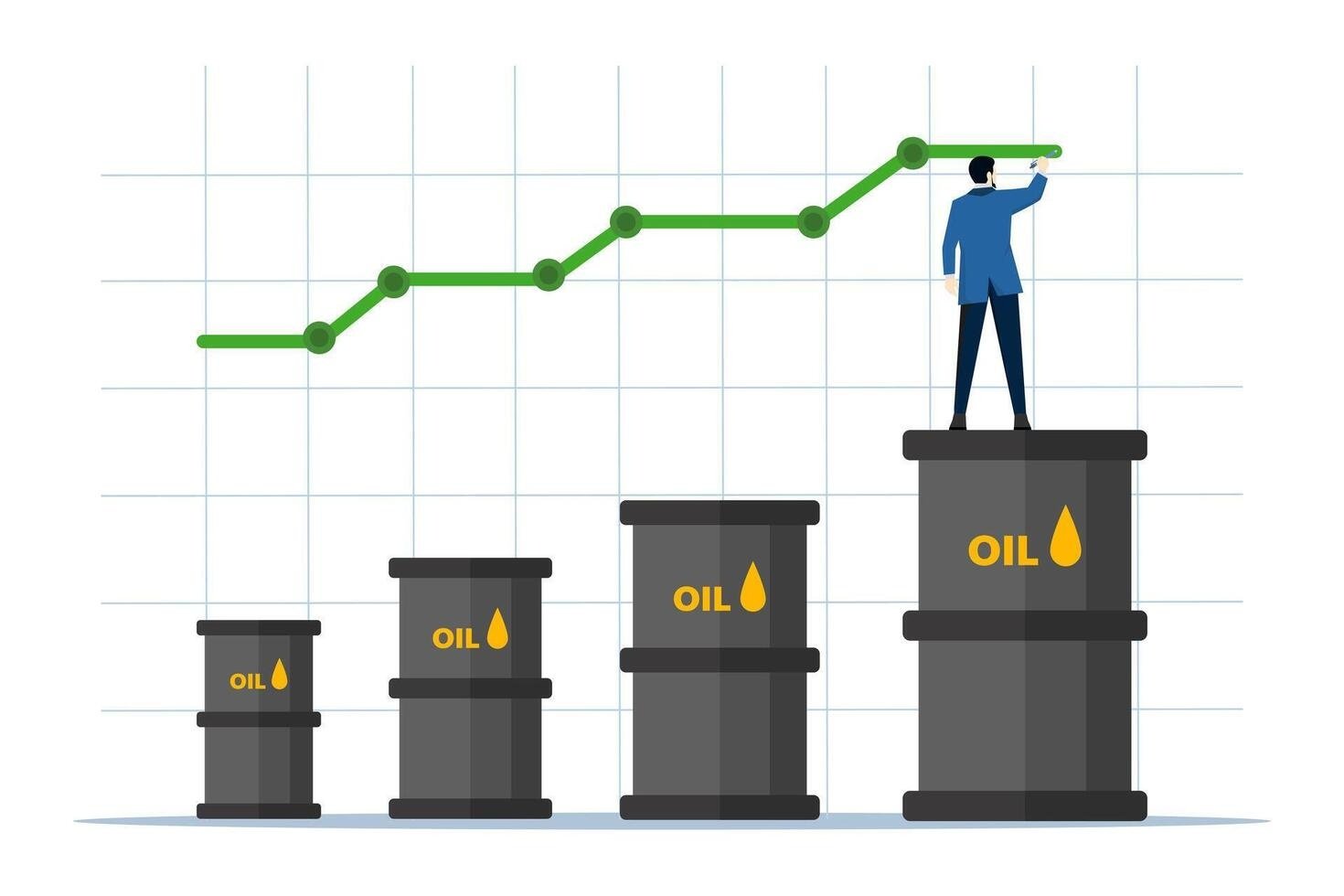
According to a recent report by HSBC, the global economy is at a critical “crossroads” regarding energy costs. If crude oil prices sustain a level above $100 per barrel, it could trigger a significant shift in India’s economic stability, specifically regarding inflation and central bank policies.
Key Highlights of the HSBC Report:
-
Inflation Breaching Limits: HSBC economists warn that if Brent crude continues to average above $100, India’s headline Consumer Price Inflation (CPI) is likely to exceed 6%. This would push inflation beyond the Reserve Bank of India’s (RBI) upper tolerance band.
-
The Interest Rate Trigger: Should inflation stay above the 6% threshold due to energy costs, the RBI would likely be forced to implement interest rate hikes to cool down the economy.
-
Policy Recommendations: * “Neutral” Stance: Analysts suggest that both monetary and fiscal policies should remain neutral for now. Stimulating demand too early—before supply chains fully recover—could lead to “high and sticky” inflation, similar to the post-pandemic recovery period.
-
Fiscal Deficit Management: To manage the fiscal deficit, the report suggests that the government might need to allow petrol and diesel prices to rise.
-
-
The Growth vs. Inflation Dilemma: Policymakers face a delicate balancing act. While rate hikes help control inflation, they can also deepen a growth slowdown. If high energy prices persist, the drag on economic growth may eventually become a larger concern than the inflation shock itself.
Conclusion
While the RBI’s flexible inflation targeting framework (2–6%) provides some room for maneuver, a sustained period of $100+ oil would likely end the current pause on interest rates, signaling a tougher period for borrowers and a focus on price stability over aggressive growth.
