

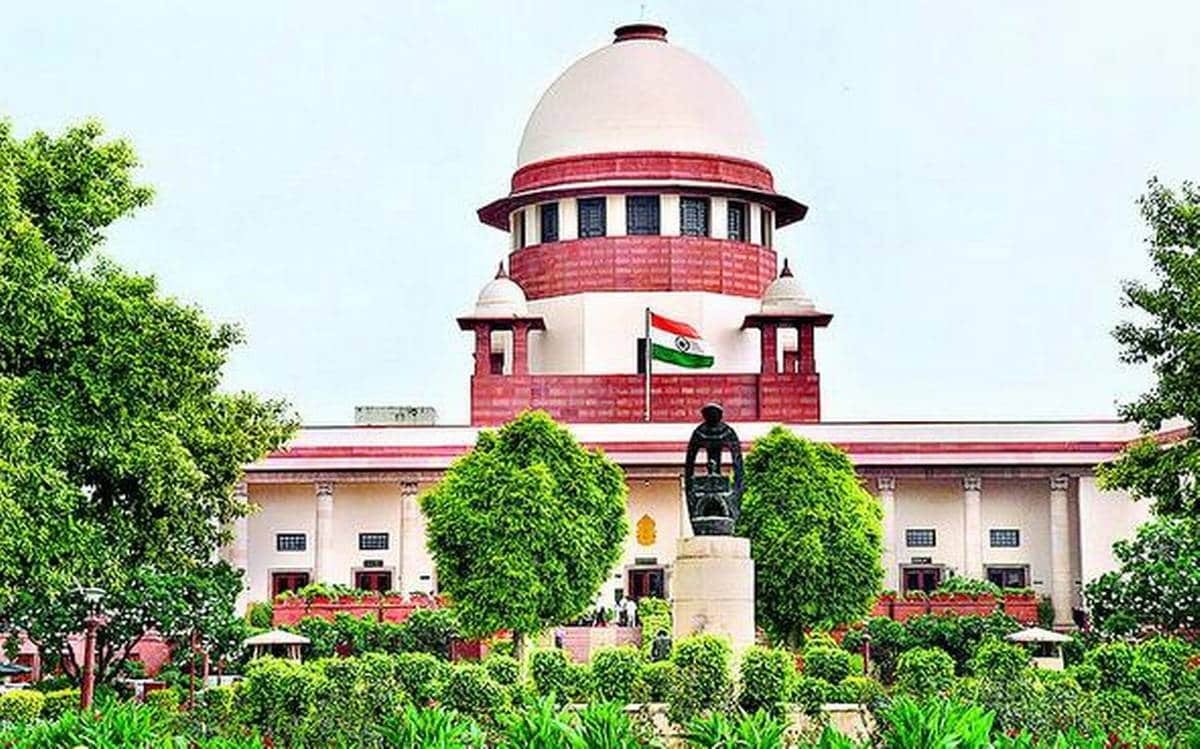
In a landmark judgment, the Supreme Court of India has clarified the procedural requirements for banks when classifying accounts as fraudulent. The Court ruled that banks are not mandated to provide a personal hearing to borrowers before declaring their accounts as fraud, provided that the principles of natural justice are otherwise met through written communication.
The Ruling Explained
The apex court’s decision settles a long-standing legal debate regarding the “Audi Alteram Partem” (hear the other side) rule in banking forensics.
-
Written Representation Suffices: The Court held that serving a notice and allowing the borrower to submit a written representation is sufficient compliance with the principles of natural justice.
-
No Oral Hearing Obligation: There is no statutory or constitutional requirement for a physical or oral personal hearing during the classification process.
-
Administrative Efficiency: The ruling aims to prevent borrowers from using “personal hearing” requests as a tactic to delay the fraud classification process, which often triggers investigations by agencies like the CBI or ED.
Impact on Borrowers and Banks
This judgment provides significant clarity for the banking sector, especially concerning Non-Performing Assets (NPAs).
-
Faster Enforcement: Banks can now move more swiftly to classify accounts and initiate recovery or criminal proceedings without getting bogged down in lengthy oral hearing schedules.
-
Due Process Remains: While an oral hearing isn’t required, banks must still provide the borrower with the forensic audit report and a fair opportunity to respond in writing before a final decision is made.
-
Strict Compliance: If a bank fails to share the underlying evidence (like a forensic report) or doesn’t consider the written reply, the “fraud” classification can still be challenged in court.
Why It Matters
Declaring an account as “fraud” has severe consequences for a borrower, including being barred from accessing further institutional credit and facing immediate criminal scrutiny. By streamlining the process, the Supreme Court has balanced the borrower’s right to be heard with the banking system’s need for timely action against financial irregularities.
