

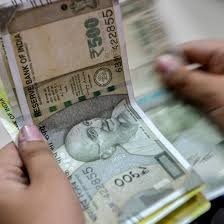
In a significant move to counter inflation, the Union Cabinet has approved a 2% increase in Dearness Allowance (DA) for central government employees and Dearness Relief (DR) for pensioners. This adjustment brings the total allowance to 60% of the basic pay.
Key Highlights of the Announcement
-
Effective Date: The hike is retrospective, effective from January 1, 2026.
-
Beneficiaries: Approximately 50.5 lakh employees and 68.3 lakh pensioners will benefit from this decision.
-
Financial Impact: The annual cost to the exchequer is estimated at ₹6,791 crore.
-
Revision Pattern: This follows the standard practice of bi-annual revisions (January and July) to help government personnel keep pace with the rising cost of living.
Context: The Road to the 8th Pay Commission
While this 2% hike provides immediate relief, employee unions and the National Council-Joint Consultative Machinery (NC-JCM) are pushing for broader structural reforms under the upcoming 8th Pay Commission.
Major demands include:
-
Fitment Factor: A proposed increase to 3.83, which would potentially raise the minimum basic pay from ₹18,000 to ₹69,000.
-
Expanded Benefits: Redefining “family” to include dependent parents for pay calculations.
-
Pay Disparity: Implementing a cap on the gap between the highest and lowest-paid employees.
Other Major Cabinet Decisions
The Cabinet meeting, chaired on Saturday, also cleared two other strategic initiatives:
-
Sovereign Maritime Fund (₹13,000 Crore):
A new fund designed to provide affordable insurance cover for Indian-flagged and India-bound vessels. This is a critical step in securing maritime trade and energy supply chains amid global geopolitical tensions.
-
PM Gram Sadak Yojana (PMGSY) Extension:
The rural road scheme has been extended until 2028 with an additional allocation of ₹3,000 crore to complete pending connectivity projects.
DA Revision Timeline
| Effective Date | DA Rate (%) | Increase |
| July 1, 2025 | 58% | +3% |
| Jan 1, 2026 | 60% | +2% |
This latest hike is slightly lower than the previous 3% increase but ensures that the total allowance remains aligned with the Consumer Price Index (CPI) trends recorded over the last six months.
