

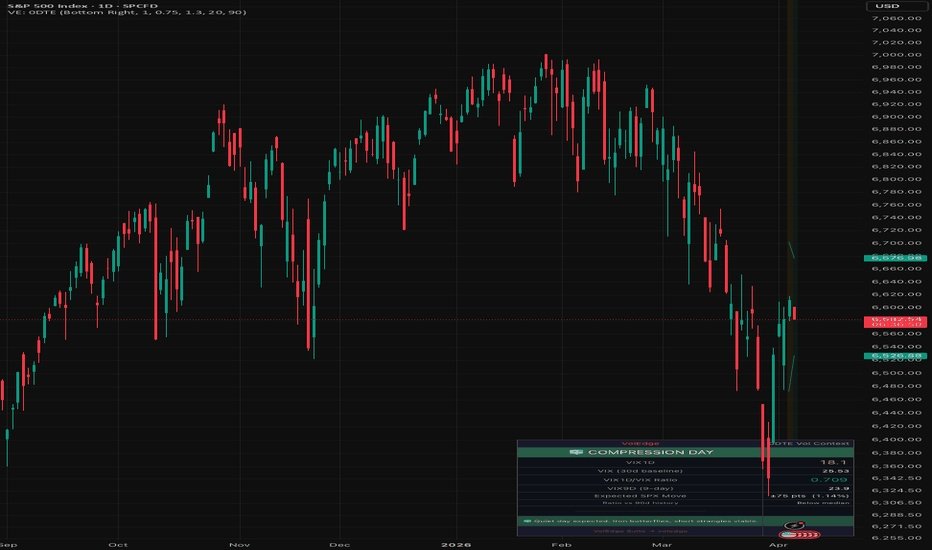
In a market defined by violent oscillations and scarce growth, the most effective strategy isn’t chasing momentum—it’s mastering the mathematics of the contrarian “probability trade.” When fundamentally superior businesses are discounted by market fear, they offer a unique dual-engine return profile: high-yield stability paired with significant capital appreciation potential.
The Anatomy of the Probability Trade
When you identify a large, debt-free company with a fortress-like balance sheet and a trailing dividend yield exceeding 4%, you aren’t just securing a cash payout. You are entering a trade where the odds are materially skewed in your favor for three reasons:
-
The Valuation Floor: A high dividend yield often acts as a natural support level. As the price drops, the yield rises, eventually attracting institutional “yield-seekers” who provide a price floor.
-
The Recovery Premium: You aren’t betting on a speculative “maybe.” You are betting on the inevitable recovery of a proven management team and a resilient business model.
-
Asymmetric Risk/Reward: At these levels, the market has likely “over-priced” the risk and “under-priced” the recovery. You are positioned to capture both the annual cash return and the price correction when the market stabilizes.
4 High-Yield Contrarian Plays
While specific tickers fluctuate, these four sectors currently offer established leaders with yields reaching up to 5.8%:
| Sector | Investment Thesis | Target Yield Range |
| Energy/Utilities | Essential infrastructure with regulated cash flows and inflation-indexed contracts. | 5.0% – 5.8% |
| Consumer Staples | Dominant brand power and “sticky” demand that survives inflationary cycles. | 3.8% – 4.5% |
| Financial Services | Well-capitalized “too big to fail” institutions benefiting from higher interest margins. | 4.2% – 5.2% |
| Technology (Mature) | Legacy tech giants with massive R&D budgets and recurring enterprise revenue. | 3.5% – 4.8% |
Why the Edge Matters Now
In a volatile environment, the probability of achieving total return (Yield + Capital Gains) is significantly higher when starting from a high-yield baseline. By focusing on companies with a proven track record of capital allocation, you aren’t just “buying the dip”—you are acquiring a high-quality asset at a price that essentially pays you to wait for the inevitable market turnaround.
