

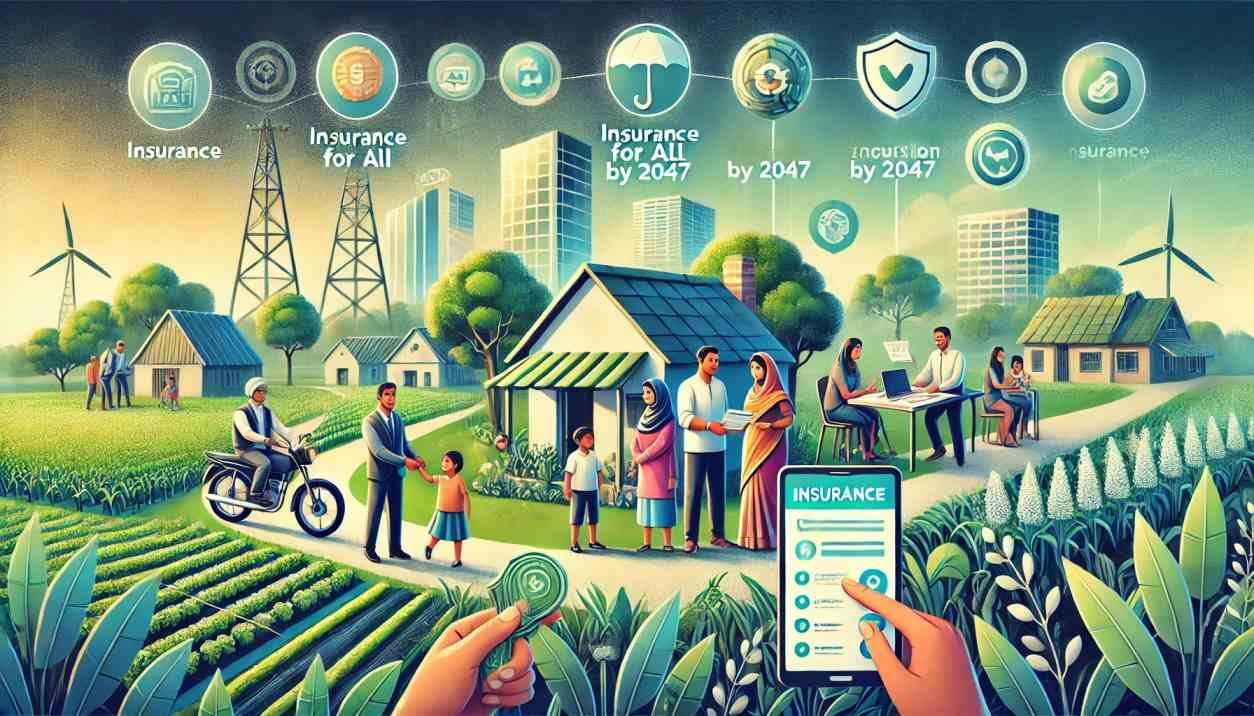
The Insurance Regulatory and Development Authority of India (IRDAI) has set a monumental goal: universal insurance coverage by 2047. However, as of April 28, 2026, the sector faces a “growth paradox.” While absolute premiums reached ₹11.93 trillion in FY25, overall insurance penetration has actually slipped to 3.7%, down from a pandemic peak of 4.2%.
To bridge this gap, India is pivoting toward a digital-first, women-led distribution model supported by landmark legislative changes.
1. The “Bima Trinity”: India’s Digital Insurance Backbone
Announced in early 2025, this three-pillar infrastructure aims to do for insurance what UPI did for payments.
-
Bima Sugam: A one-stop digital marketplace. It allows citizens to compare, buy, and manage policies or settle claims through a single interface, drastically lowering transaction costs.
-
Bima Vistaar: The “Social Safety Net” product. A first-of-its-kind composite policy covering Death, Health, Property, and Accident under one certificate.
-
Price: ₹1,500 (Individual) / ₹2,420 (Family).
-
Sum Assured: ₹2 lakh across all lines.
-
-
Bima Vahak: A localized distribution force. This women-centric channel aims to place a dedicated insurance representative in every Gram Panchayat to build trust at the village level.
2. Major Regulatory & Policy Shifts
To meet the 2047 target, the government has overhauled the administrative landscape via the Sabka Bima Sabki Raksha Act, 2025.
-
Tax Relief: Effective late 2025, GST on individual term, health, and ULIP products was slashed from 18% to 0%, removing the “tax on necessity” barrier.
-
FDI & Solvency: 100% Foreign Direct Investment is now permitted. Additionally, lowered solvency ratios (0.50 for general, 0.60 for life) have freed up massive capital for insurers to expand their reach.
-
Bima Sakhi Success: Prime Minister Modi’s women-only distribution initiative has already crossed 200,000 registrations, proving that female agents are the key to unlocking rural markets.
3. Critical Fixes Required
Despite the progress, several “structural leaks” need plugging to ensure the target isn’t just aspirational:
| Challenge | Proposed Fix |
| Stagnant Coverage | Tiered PMJJBY: Graduate the ₹2 lakh cover to ₹5 lakh or ₹10 lakh options to match rising income levels. |
| The Data Gap | Census Integration: The next Census should include a module to track household-level insurance status for granular targeting. |
| Rural Access | Hyper-Local Partnerships: Leveraging SHGs, PACS, and Farmer Producer Organisations (FPOs) to overcome “cultural resistance.” |
| Retirement Security | Annuity Defaults: Automatically offering to channel a portion of court settlements or prize money into annuities (with opt-out options) via Bima Sugam. |
4. The Scale of the Task
To reach “Insurance for All” by 2047, India needs to onboard approximately 50 million new policyholders every year for the next 21 years.
The Bottom Line
The road to 2047 requires more than just digital apps; it requires a State Level Insurance Committee (SLICE)—similar to banking committees—to monitor progress at the district level. If the “Bima Trinity” scales successfully and affordability continues to improve through GST cuts, India’s insurance market (already the 10th largest) could become the global benchmark for inclusive financial protection.
