

The Australian share market sank to a four-week low on Thursday, April 30, 2026, marking its eighth consecutive day of losses. The S&P/ASX 200 index fell 0.2% to close at 8,665.80 points, weighed down by a significant sell-off in the consumer staples and mining sectors.
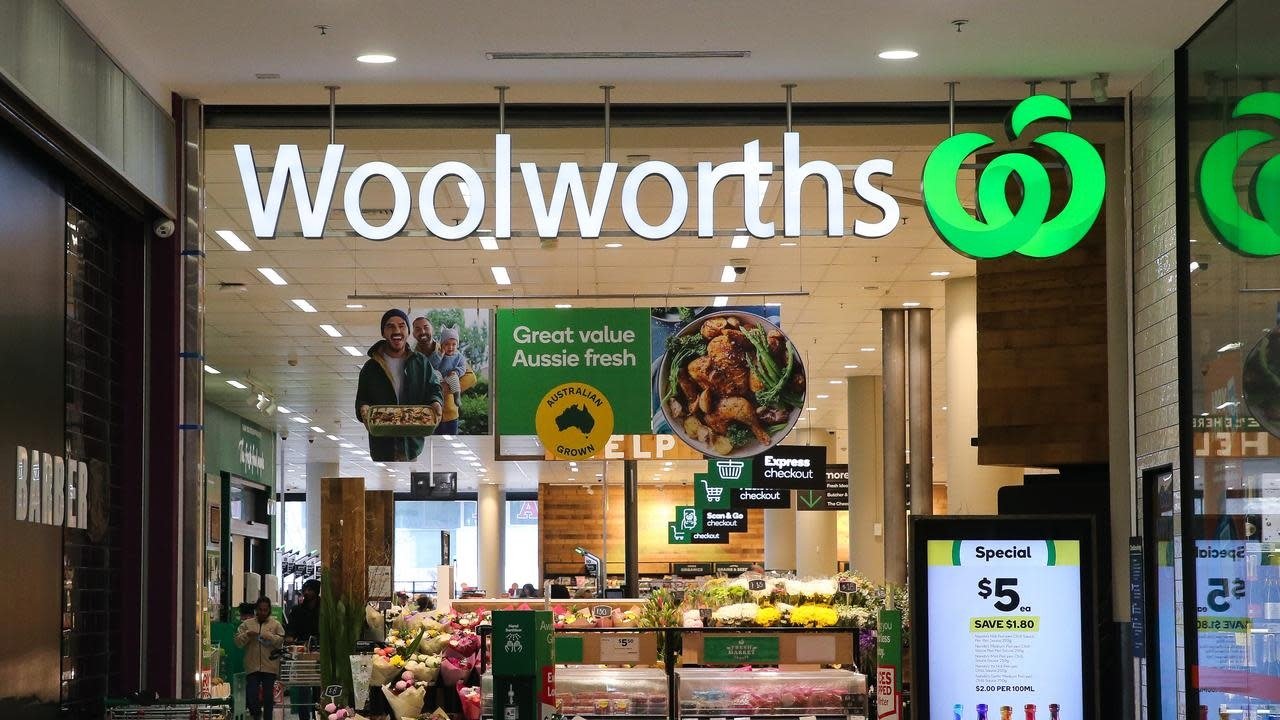
Woolworths Dives on Earnings Warning
The day’s biggest story was the sharp decline in Woolworths Group (WOW), which saw its shares tumble 7.8% (dropping as much as 9.8% in early trade).
-
The Catalyst: Despite reporting a 4.5% rise in Q3 sales to $18.1 billion, the retail giant warned that its full-year earnings growth for the domestic food segment would likely miss the upper end of its previous forecast.
-
Operational Strains: CEO Amanda Bardwell cited “acute cost-of-living pressures” and surging fuel costs—driven by ongoing Middle East tensions—as major headwinds for both operating margins and consumer confidence.
-
Customer Retention: In response to the economic climate, Woolworths announced a price freeze on 300 household staples starting May 1 to help shoppers manage inflation.
Sector-Wide Impact
The ripple effects of the Woolworths update and broader macroeconomic fears were felt across the bourse:
-
Consumer Staples: The sector fell 5%, with competitor Coles also dropping 3.6% in sympathy.
-
Miners: Mining heavyweights fell 2.7%, their worst session in nearly a month. BHP, Rio Tinto, and Fortescue all lost between 1.4% and 1.6% as global growth concerns overshadowed firm iron ore prices.
-
Energy & Financials: Energy stocks provided a small buffer, rising 1.4% as Brent crude hit new wartime highs. The “Big Four” banks also showed resilience, gaining between 0.5% and 1.3% to limit the benchmark’s overall decline.
The Monthly Context: A Roller-Coaster April
Despite the eight-day losing streak, the ASX 200 managed to end April 2026 with a 2.2% monthly gain, recovering from a brutal 7.8% plunge in March.
Market Outlook: Focus now shifts to the Reserve Bank of Australia (RBA) meeting next Tuesday. Following a high Q1 inflation print, traders are pricing in a 78% chance of a 25-basis-point hike to 4.35%, adding further pressure to a market already struggling with rising energy costs.
