

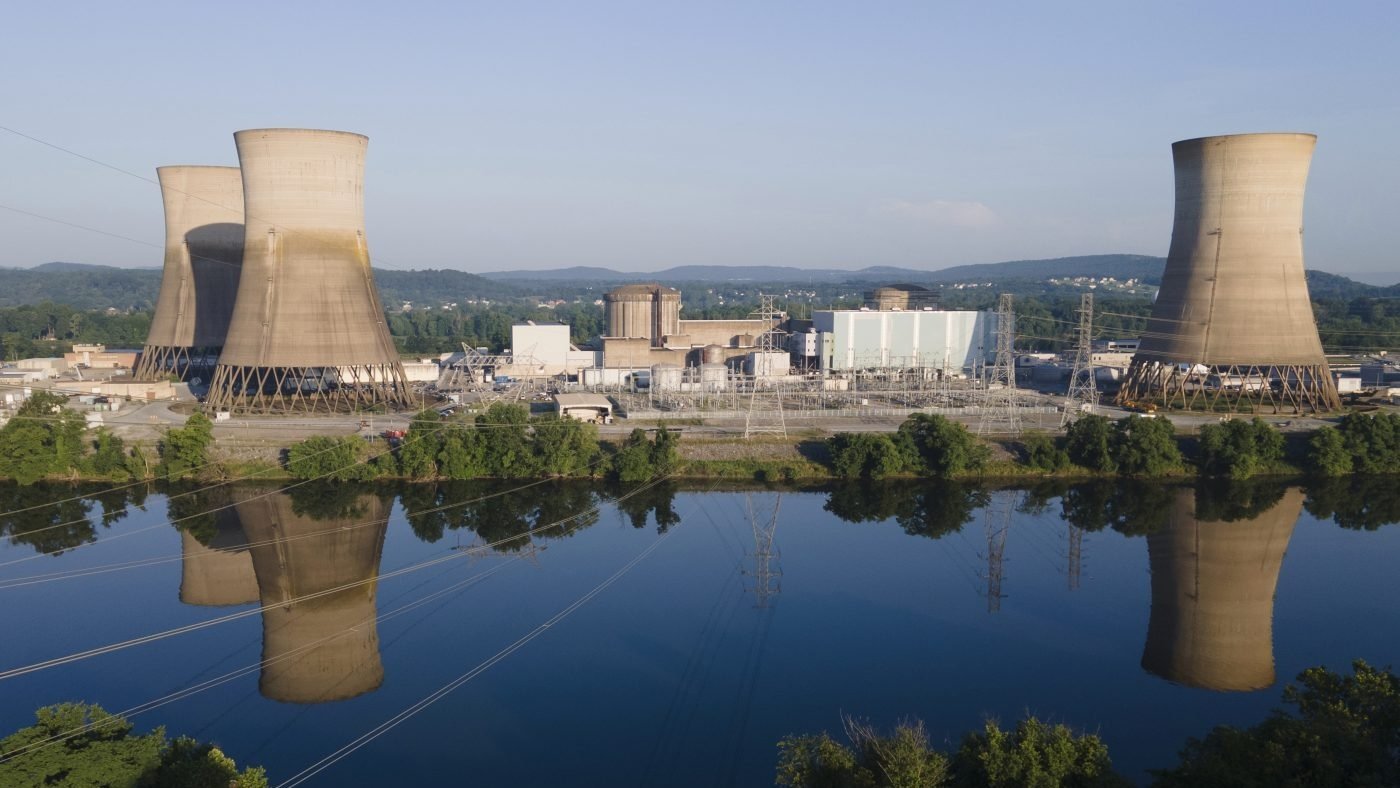
As the conflict in the Middle East effectively shutters the Strait of Hormuz, Europe finds itself at a critical energy crossroads. Analysts suggest that nuclear power, once sidelined by safety concerns and high costs, may be the only viable path to long-term energy sovereignty—though the road to implementation is fraught with economic and political hurdles.
The Catalyst: Geopolitical Vulnerability
The ongoing U.S.-Iran war has exposed Europe’s dangerous reliance on energy imports. With over a third of its energy mix still tied to oil and gas, the continent is reeling from supply shocks that have sent prices skyrocketing.
-
The Case for Nuclear: Reactors provide a reliable, “all-weather” base load of power with minimal land use and low carbon emissions.
-
The “French Model”: France remains the gold standard for European energy security, generating over 60% of its power from nuclear sources. This has resulted in French energy prices being significantly lower than those in Germany, which chose to decommission its reactors in favor of renewables.
The Challenges: Cost, Time, and Technology
While the strategic argument for nuclear is strengthening, the logistical reality remains daunting.
| Project | Location | Duration to Completion | Impact |
| Flamanville 3 | France | 17 Years (Opened 2024) | High-efficiency baseload |
| Hinkley Point C | UK | ~14+ Years (Est. 2029-2030) | Will power 6 million homes |
Key Obstacles:
-
Upfront Investment: Nuclear plants require massive capital expenditure compared to wind or solar farms.
-
Extended Timelines: It can take nearly two decades for a new plant to come online, meaning nuclear cannot solve the immediate crisis.
-
The “China Question”: Analysts suggest that using Chinese technology could lower costs, but this is viewed as a “political non-starter” due to national security concerns.
Shifting Public Perception
Memories of Chernobyl (1986) and Fukushima (2011) have historically fueled European reluctance. However, the current energy crisis is forcing a rethink.
“Nuclear is seen as a ‘domestic’ source of energy. Its supply chain is not as exposed to geopolitical turmoil as oil and gas.” — Chris Aylett, Chatham House.
For a nuclear renaissance to succeed, experts argue that governments must invest in education and workforce development to regain public trust and build the specialized teams necessary to maintain a modern nuclear fleet.
The Global Context
The shift is already visible beyond Europe. South Korea’s climate minister, Kim Sung-hwan, recently declared that nuclear and renewables would become the “two central pillars” of their energy strategy as they pivot away from volatile oil markets.
Bottom Line
Nuclear energy offers a “bankable structural demand kicker” for a continent desperate for stability. While it won’t solve this winter’s heating bills, it may be the only way for Europe to ensure it never faces a crisis of this magnitude again.
