

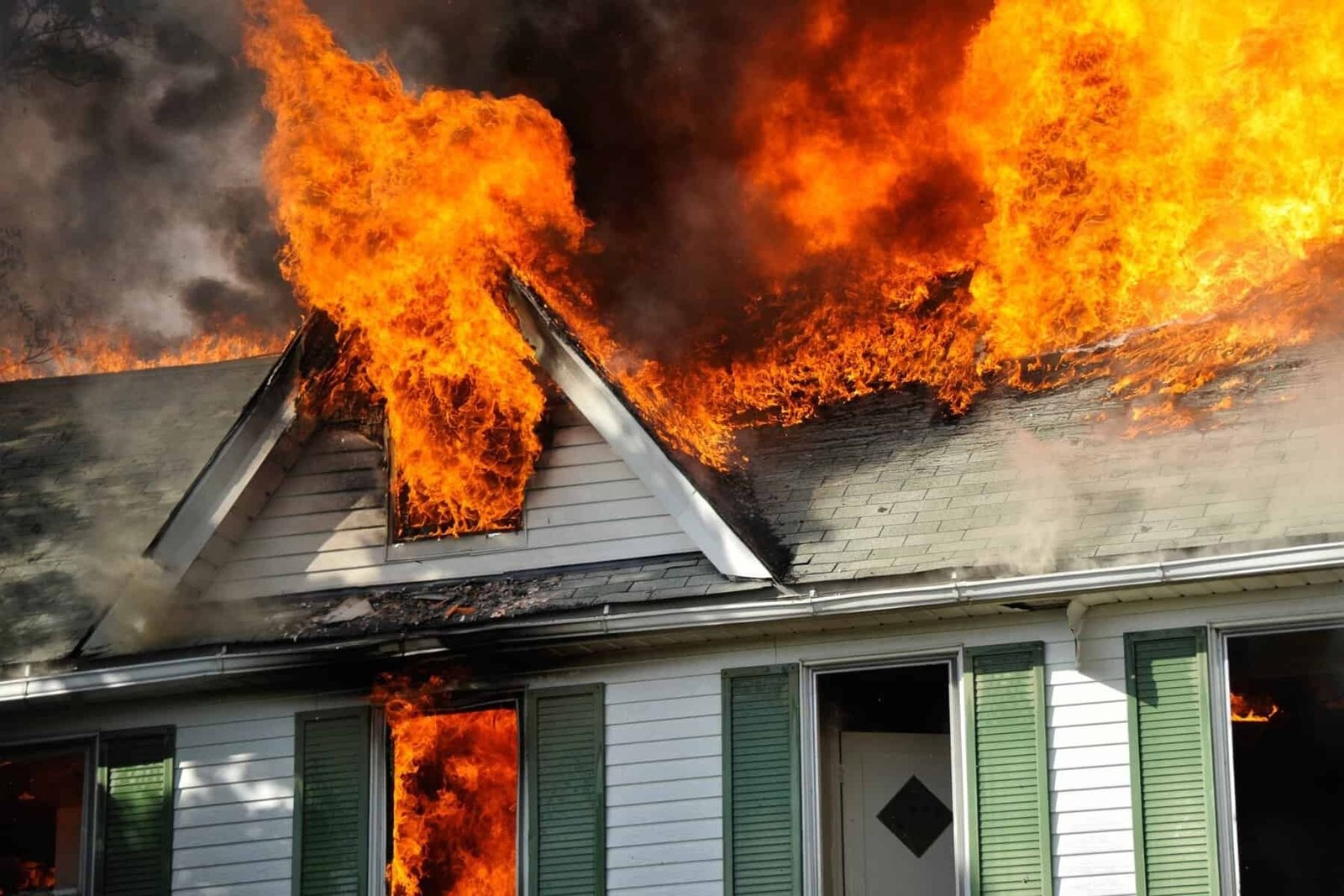
Recent fire incidents in high-rise residential complexes across the National Capital Region have underscored a critical vulnerability: the reliance on society-wide insurance policies. While these collective covers provide a baseline level of protection for the building’s structure, they are frequently insufficient to cover the replacement cost of personal belongings, interior fittings, and individual financial losses.
The Limitations of Collective Insurance
Most residential societies maintain a master fire insurance policy. However, homeowners should recognize that this coverage is often limited to the building’s common areas and external structure. Personal assets—such as furniture, electronics, jewelry, and high-end interior finishes—are rarely adequately protected under such plans. Relying exclusively on this collective cover can leave households significantly underinsured in the event of a total loss.
The Importance of Individual Coverage
To ensure comprehensive protection, experts recommend that homeowners maintain a dedicated individual home insurance policy. This allows for:
-
Tailored Coverage: You can determine the specific value of your assets, ensuring that high-value items are fully insured.
-
Content Protection: Individual policies often cover damage to personal belongings that are not included in a society’s master policy.
-
Liability Coverage: Some plans provide protection against accidental damage caused to neighboring properties or medical expenses for guests injured on your premises.
Vital Steps Following a Fire Incident
Should a fire occur, taking the correct steps immediately is essential to ensure a smooth claim process:
-
Safety First: Ensure all residents are evacuated and emergency services have secured the site.
-
Preserve the Scene: Do not initiate repairs, cleaning, or alterations to the damaged property until the insurer’s surveyor has conducted a formal inspection. Disturbance of the site can complicate the assessment of the cause and extent of the damage.
-
Document Everything: Create a comprehensive record by taking high-resolution photographs and videos of all damaged areas and affected belongings. This visual evidence serves as a critical supplement to your written claim.
-
Notify Your Insurer: Contact your insurance provider immediately to report the incident and initiate the claims procedure.
Taking the time to review your policy details now—rather than after a disaster—can provide the financial stability needed to rebuild and recover when it matters most.
