

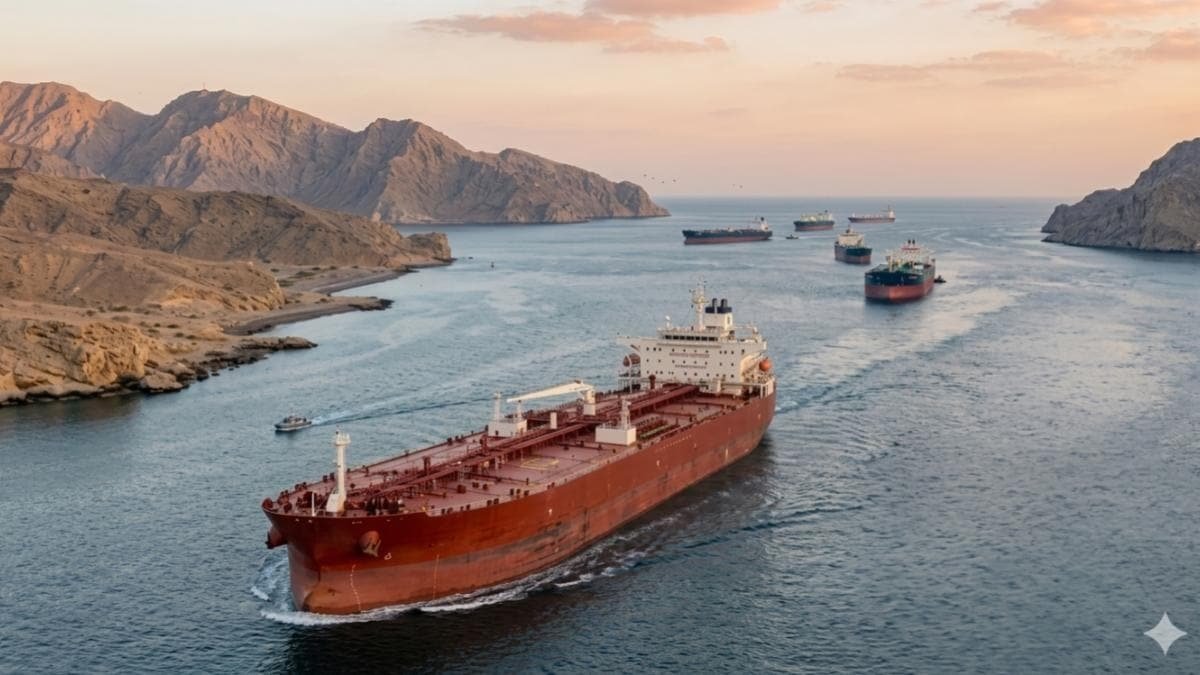
In a landmark move to insulate domestic trade from the escalating US-Iran conflict, the Indian government has officially launched the Bharat Maritime Insurance Pool (BMI Pool). Announced by Financial Services Secretary M. Nagaraju on May 12, 2026, the pool provides a critical safety net for vessels navigating high-risk zones, reducing India’s historical dependence on foreign insurers.
The launch comes as maritime traffic through the Strait of Hormuz remains paralyzed by skyrocketing war risk premiums, which have previously forced shipping companies to pass massive costs on to consumers.
Key Features of the BMI Pool
The pool is designed to provide comprehensive financial protection for Indian-flagged and Indian-controlled vessels, ensuring that trade continues even during regional instability.
-
Sovereign Guarantee: The Union Cabinet has provided a $1.5 billion (approx. ₹12,600 crore) sovereign backstop.
-
Claim Thresholds:
-
Up to $100 Million: Claims will be serviced directly from the pool’s accumulated reserves and member contributions.
-
Beyond $100 Million: The sovereign guarantee acts as a “contingent backstop of last resort” once all other reserves and reinsurance arrangements are exhausted.
-
-
Global Reach: The insurance covers vessels traveling to or from India to any part of the world, specifically including the volatile West Asia region.
The First Beneficiaries
During the unveiling event, the first policy documents were handed over to three major corporate players, marking the operational start of the pool:
| Company | Policy Type | Purpose |
| Hoger Offshore | Marine Hull & Machinery War Policy | Financial protection against war perils in High-Risk War Zones. |
| Vedanta Sterlite | Marine Cargo War Policy | Coverage for the import of essential cable wires. |
| Balrampur Chini | Maritime Policy | Protection for outbound/inbound trade assets. |
Strategic Importance: “Sovereign Control”
Secretary Nagaraju emphasized that the BMI Pool is “not a profiteering exercise” but a strategic necessity. By domesticating maritime insurance, India gains:
-
Lower Costs: Insulates Indian companies from the predatory “war risk premiums” set by global underwriters during Middle Eastern crises.
-
Trade Continuity: Ensures that essential imports (like oil and raw materials) and exports (like sugar and metals) do not grind to a halt due to lack of insurance coverage.
-
Reduced Forex Outflow: Keeps insurance premiums within the Indian financial ecosystem rather than paying them to foreign firms.
-
Autonomy: Increases India’s sovereign control over its trade routes, ensuring that foreign entities cannot unilaterally “choke” Indian commerce by withdrawing insurance support.
Context: The Strait of Hormuz Crisis
The launch is a direct response to the 10-week-old Iran crisis. With Brent crude at $105/barrel and the Rupee at a record low of 95.63/$, the government views maritime security as a pillar of national economic defense. By providing domestic insurance, the government is essentially telling the shipping industry that India will “self-insure” its way through the conflict, keeping the supply chains open regardless of global volatility.
