

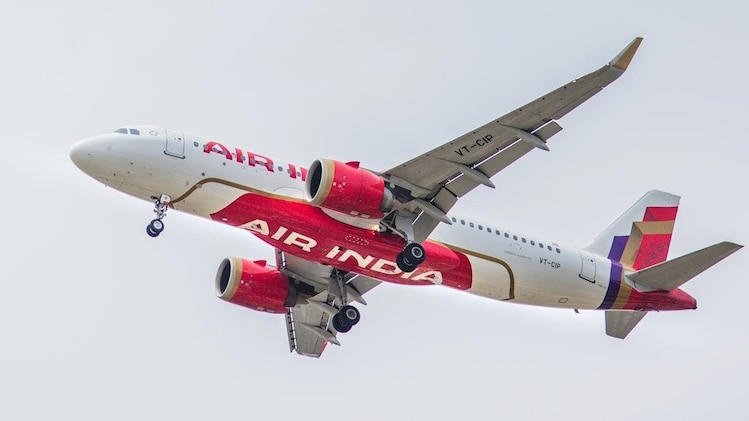
The Air India Group has recorded a staggering record loss of $2.8 billion (3.56 billion Singapore dollars) for the 2025-26 fiscal year, according to the annual report released by shareholder Singapore Airlines (SIA). SIA currently holds a 25.1% stake in the Indian carrier following the merger with Vistara.
The losses highlight a turbulent year for India’s second-largest airline group, which has been hit by a combination of geopolitical tensions and operational hurdles.
Key Drivers of the Record Loss
According to the report, several external factors severely impacted the airline’s bottom line during the 12 months ending in March:
-
Conflict in West Asia: The ongoing war involving Iran has led to significant disruptions in international flight paths. Rerouting flights to avoid conflict zones has increased fuel consumption and flight times for lucrative long-haul routes to Europe and North America.
-
Pakistan Airspace Ban: The continued ban on Indian carriers using Pakistani airspace has forced Air India to take longer, more expensive detours. This has significantly added to the operational costs for almost all westbound flights departing from North and West India.
-
Fuel Price Volatility: With global crude oil prices surging above $105 per barrel due to regional instability, aviation turbine fuel (ATF) costs—which typically account for nearly 40% of an airline’s expenses—have reached record highs.
Strategic Outlook
Despite the financial setback, the Air India Group is in the midst of a massive multi-year transformation plan under the Tata Group. The airline has recently taken delivery of several new wide-body aircraft, including the Airbus A350, as it seeks to modernize its fleet and improve fuel efficiency.
Singapore Airlines noted in its report that while the short-term financial performance has been affected by regional “headwinds,” the long-term potential of the Indian aviation market remains a core part of its international strategy.
The record loss comes at a time when the Indian government is also urging national austerity, including a push for citizens to prioritize essential travel and the use of public transport to conserve foreign exchange reserves.
