

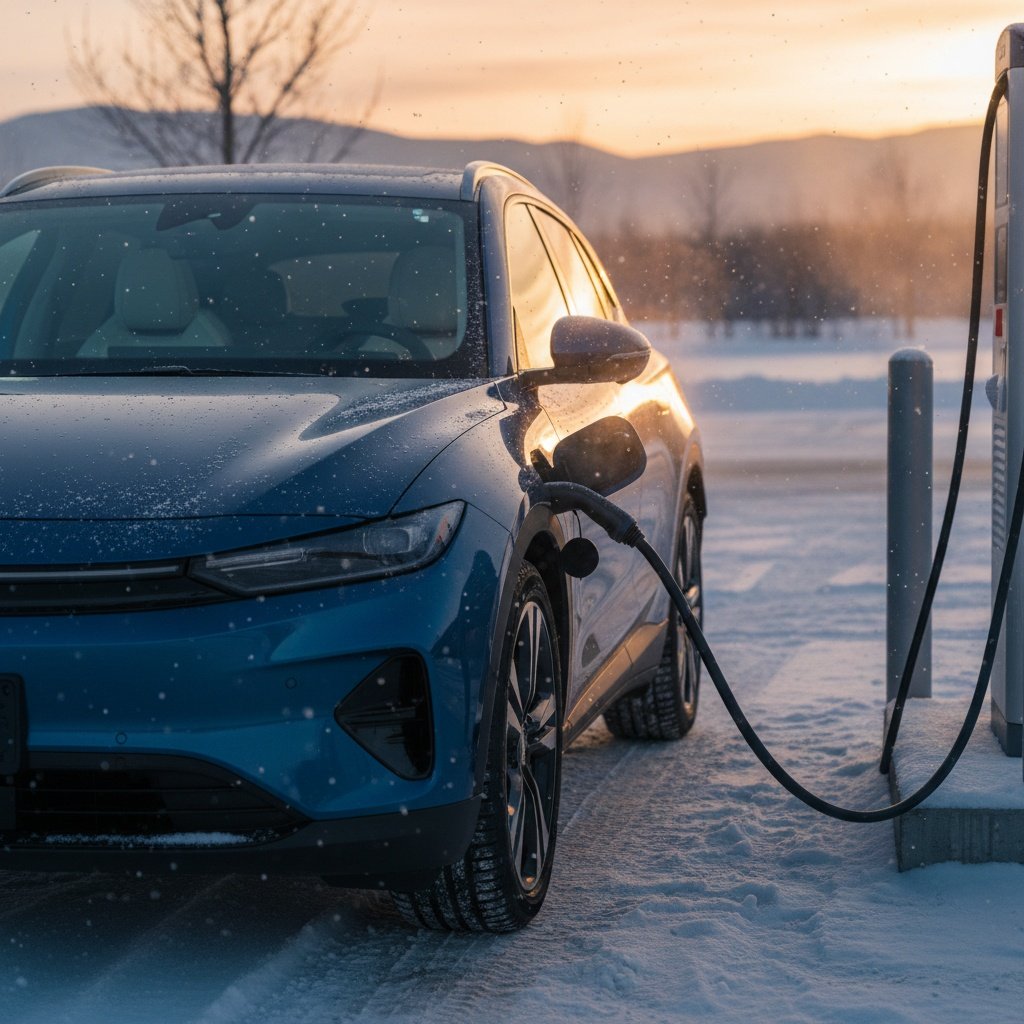
As summer temperatures soar across India, electric vehicle (EV) owners face a unique seasonal challenge. Extreme heat doesn’t just affect passenger comfort—it directly taxes the vehicle’s most expensive and sensitive component: the Lithium-ion battery pack.
While modern EVs are engineered with sophisticated liquid cooling and Thermal Management Systems (TMS), prolonged ambient heat combined with poor charging habits can accelerate battery degradation and compromise efficiency. Protecting your asset requires a two-pronged strategy: active thermal maintenance and robust insurance cushioning.
Thermal Hygiene: Best Practices for Summer Charging
Data from Policybazaar outlines that high-voltage battery packs operate best within a specific temperature window. Straying outside this band under heavy urban usage triggers protective throttling and long-term health decline. To insulate your battery, implement these four tactical charging habits:
-
Ditch the 100% Habit: Leaving your EV sitting at 100% State of Charge (SoC) in ambient temperatures exceeding 40°C creates intense chemical stress inside the cells. During peak summer, cap your daily charge at 80% to 90% unless a long trip is immediately planned.
-
Restrict Afternoon Fast-Charging: Direct Current (DC) fast-charging pumps massive current into the pack, generating significant internal heat. Doing this during the hottest afternoon hours stacks ambient heat on top of electrical heat, overloading the vehicle’s cooling pumps. Shift heavy charging sessions to cooler early morning or late night hours.
-
Seek Out Structural Shade: Parking under direct sunlight turns your EV into a greenhouse, forcing the vehicle’s passive cooling systems to work overtime even when turned off. Whenever possible, utilize covered basements or shaded parking bays.
-
Never Ignore TMS Warnings: If your dashboard flashes a battery cooling or thermal management alert, pull over safely. Continuing to drive forces the system to pull energy from a stressed, overheating core, risking localized cell damage.
The Ancillary Check: Summer heat causes rapid air expansion inside tyres. Over-inflated or under-inflated tyres increase rolling resistance, directly draining your battery range and placing unneeded strain on the electric drivetrain. Check your tyre pressure weekly when the rubber is cold.
The Financial Firewall: EV-Specific Insurance Add-Ons
Standard motor insurance policies were designed for internal combustion engines (ICE) and often fall short when dealing with high-voltage electrical failures, battery flooding, or thermal runaway. Because the battery pack alone can account for 30% to 50% of an EV’s total cost, specialized add-ons are an absolute necessity.
According to Mayur Kacholiya, Head of Motor Product at Go Digit General Insurance, modern EV-centric insurance portfolios are evolving to cover these high-value vulnerabilities through specialized structures:
| Add-On Framework | Risk Mitigation Layer | Strategic Value Proposition |
| EV Shield / Battery Cover | Protects the battery pack, electric motor, and electronic control units against non-accident failures. | Covers internal short-circuits, water ingress (ingestion), and thermal degradation caused by electrical surges or environmental stress. |
| Return-to-Invoice (RTI) | Total loss protection in the event of catastrophic fires, thermal spikes, or unrecoverable theft. | Bridges the gap between the vehicle’s depreciated Insured Declared Value (IDV) and its original showroom invoice price, including registration and taxes. |
| Zero-Depreciation | Eliminates out-of-pocket expenses for part replacements during an accident claim. | Vital for EVs, where specialized plastic, composite materials, and electronic sensors carry high structural replacement costs. |
| Charger & Cable Protection | Shields both the vehicle-side charging port and home wall-box hubs against damage. | Insures expensive proprietary charging cables and wall-unit setups against power surges, accidental drops, or vandalism. |
Emerging Policy Architectures
As the Indian EV ecosystem matures, insurers are introducing flexible, tech-driven policy models. Usage-Based Insurance (UBI) frameworks, such as Pay-As-You-Drive, leverage the onboard telematics of modern connected EVs. If you limit your summer driving to short commutes or keep the vehicle safely garaged during high-risk heatwave months, your premium dynamically scales downward to reflect that lower risk profile.
The Bottom Line: An electric vehicle requires a shift from passive ownership to active asset management. By combining disciplined charging habits that respect thermal boundaries with an airtight, EV-specific insurance shield, you preserve your car’s long-term residual value and keep your premium protected against unexpected climate shocks.
