

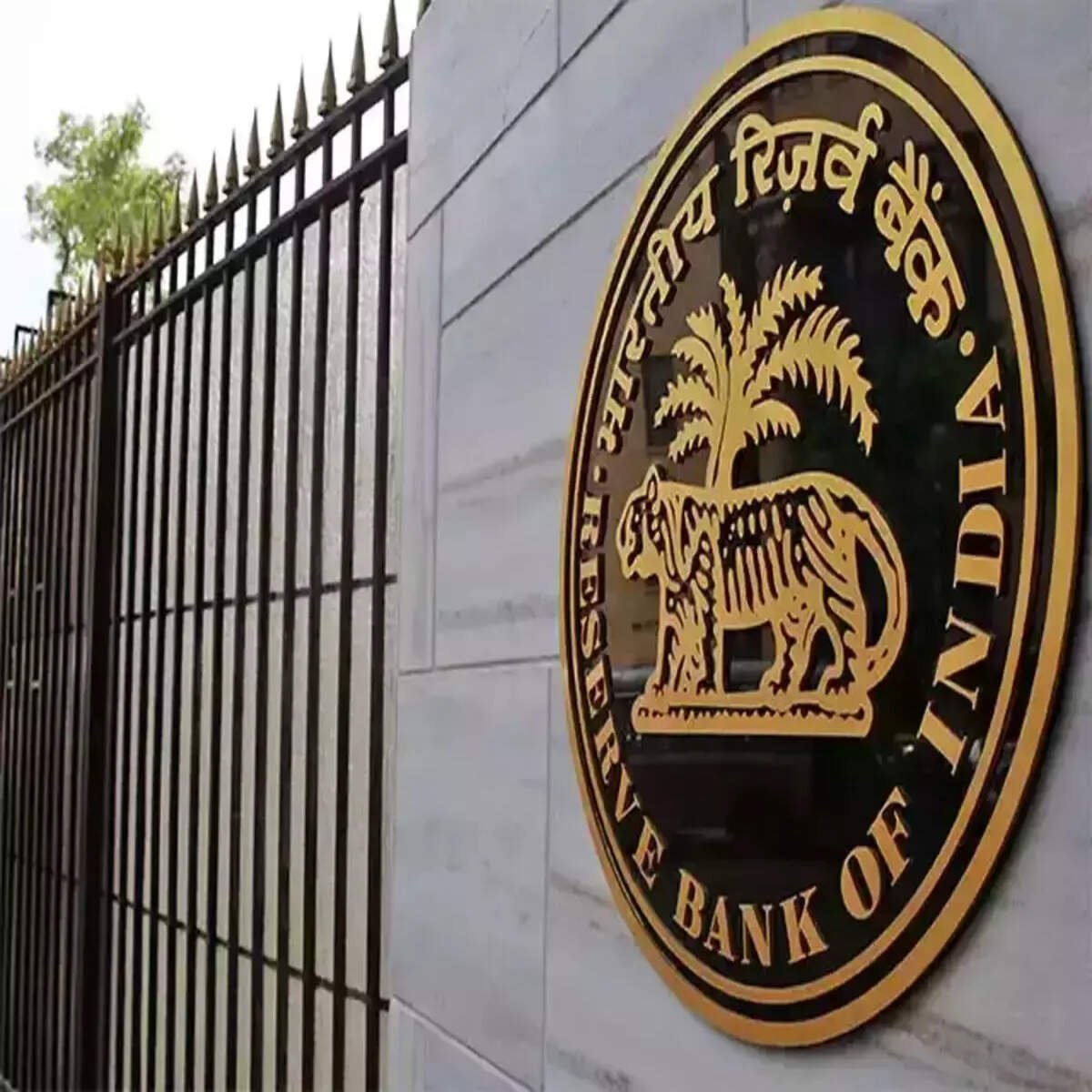
Faced with a historic currency slide, the Reserve Bank of India (RBI) may have to revive defensive strategies deployed during the 2013 “taper tantrum” and previous balance-of-payments crises.
The urgency follows a bruising week where the Indian Rupee plummeted to a record low of nearly 97 per US dollar, driving up imported inflation and threatening to trigger a destabilizing speculative cycle in foreign exchange markets. Under Governor Sanjay Malhotra, the central bank is reportedly weighing a combination of aggressive interventions—spanning interest rate hikes, localized currency swaps, and frameworks designed to aggressively draw in foreign capital.
The Macroeconomic Challenge: Breaking the Hedging Loop
When a currency weakens rapidly, it risks setting off a dangerous domestic cycle. Importers panic-hedge future liabilities by buying dollars immediately, while exporters hold back foreign earnings in anticipation of even better rates. This self-fulfilling loop chokes off local dollar supply and accelerates the currency’s fall.
To combat this, the central bank is considering multi-layered defenses modeled on past crisis-management frameworks:
-
Monetary Tightening: Raising benchmark interest rates or choking local liquidity to make shorting the rupee expensive for speculators.
-
Capital Augmentation: Encouraging domestic banks to aggressively raise dollar funds directly from international markets or non-resident Indians (NRIs).
-
Subsidized Swap Windows: Providing commercial banks with discounted dollar-rupee swap rates to incentivize foreign currency gathering.
Echoes of Past Defensive Playbooks
This isn’t the first time India’s central bank has been forced to defend the currency against external shocks. Looking at historical balance-of-payments interventions reveals the options currently on Mint Street’s table:
| Year / Crisis Event | Strategy Deployed | Direct Outcome |
|
1998 & 2000 (Post-Nuclear Test Sanctions) |
State Bank of India (SBI) issued Resurgent India Bonds and India Millennium Deposits to overseas investors. | Raised over $9.5 billion combined, shoring up foreign financing when sovereign pathways were restricted. |
|
2013 (Fed Taper Tantrum) |
Governor D. Subbarao hiked the marginal standing facility (MSF) rate by 200 bps. Later, Governor Raghuram Rajan introduced a targeted Foreign Currency Non-Resident (FCNR-B) deposit scheme. | The interest rate hike yielded limited results, but the FCNR-B deposit mobilization successfully drew in over $30 billion to stabilize the rupee. |
|
2026 (Middle East Conflict Shocks) |
Actively drawing on the 2013 playbook; weighing aggressive NRI deposit programs alongside direct dollar sales from reserves. | Ongoing. Reserves dropped $8 billion this week to $688.894 billion as the RBI actively absorbs market shocks. |
The Steep Cost of Intervention
Replicating old strategies in today’s financial climate will come with a much higher price tag. In 2013, Indian banks could draw in foreign funds by offering deposit rates between 3.5% and 5%. Given how sharply central bank rates have risen globally over the last few years, commercial banks would likely need to guarantee yields of 8% to 9% today to entice international investors.
The Structural Core: Economists warn that aggressive rate hikes risk inflicting collateral damage on domestic economic growth while only providing temporary relief to the currency. With foreign portfolio outflows in 2026 already eclipsing last year’s record of $19 billion, permanent relief for the rupee will likely depend on deeper structural stability and retaining durable, long-term capital inflows rather than short-term monetary fixes.
