

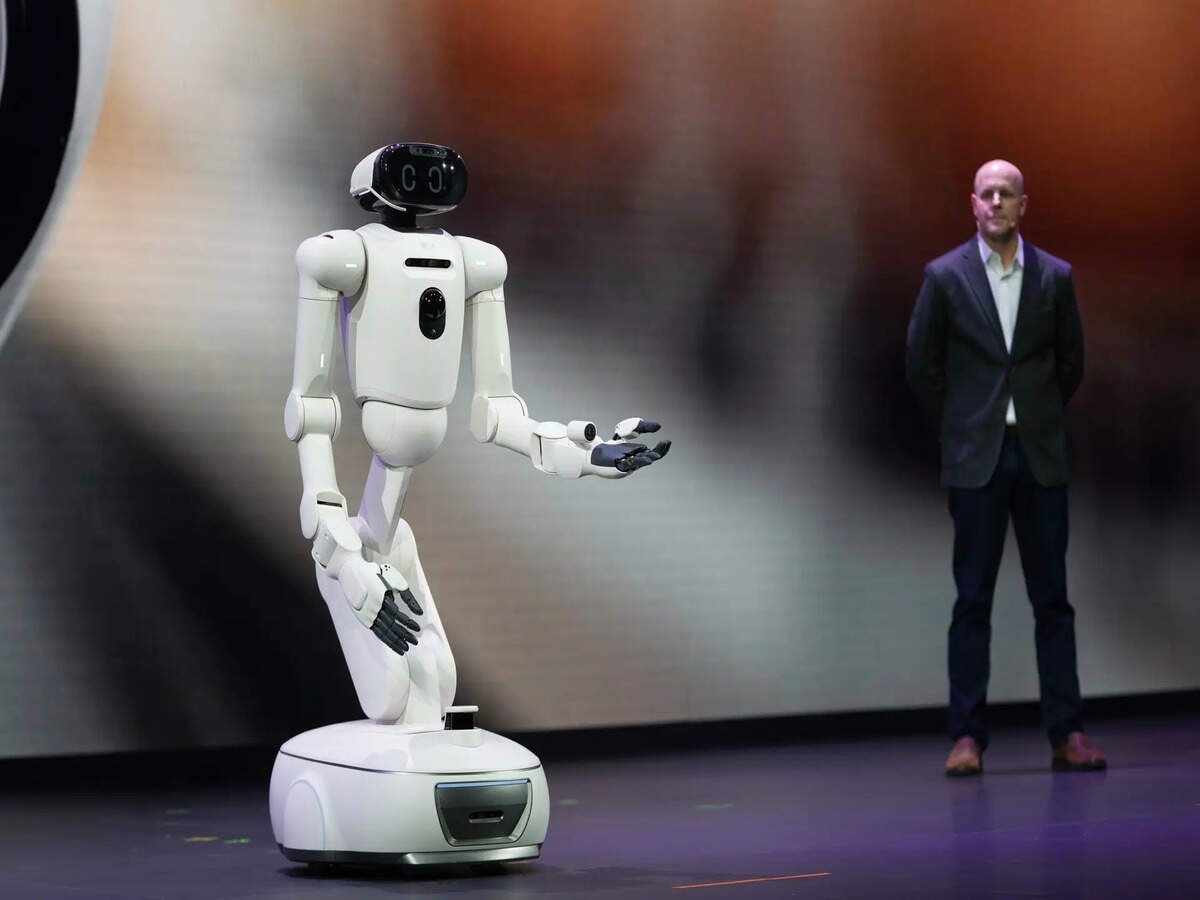
LG Electronics is undergoing a profound structural evolution, aggressively pivoting from its traditional identity as a consumer electronics manufacturer into a frontrunner for AI-driven automotive technology. The company’s latest unveiling of its next-generation connected vehicle ecosystem and deepened product integration with Google has captured significant investor attention, sparking a notable rally in its share price.
The Strategic Shift: LG’s Smart Vehicle Ecosystem
LG is positioning itself as a core architecture provider for the era of the Software-Defined Vehicle (SDV). Rather than just supplying isolated hardware components, the company is building a cohesive, multi-layered digital cockpit ecosystem.
Key Technological Pillars
-
The AI Cabin Platform: This flagship system leverages on-device generative AI to monitor, adapt, and personalize the in-car environment. By processing driver behavioral data locally, the system dynamically tunes safety alerts, climate controls, and infotainment configurations while safeguarding user privacy.
-
The Automotive Content Platform (ACP): Capitalizing on its dominant market share in home entertainment software, LG is bringing webOS-style smart TV capabilities directly into passenger displays, transforming vehicles into fully connected mobile living spaces.
-
The Google Collaboration: By integrating Google-powered operating systems and voice ecosystems into its hardware, LG is ensuring seamless, zero-friction navigation, app ecosystems, and voice-assisted interfaces that consumers already rely on daily.
Investment Thesis: Bull Case vs. Execution Risks
Wall Street and global institutional investors are increasingly valuing LG’s vehicle solutions (VS) division as its primary long-term valuation multiplier.
1. Competitive Advantages
-
Hardware-Software Synergy: Unlike pure-play software developers or legacy tier-1 auto suppliers, LG can vertically integrate its world-class OLED display technology, camera sensors, and AI chipsets with its proprietary software.
-
Expanding Order Book: The company’s multi-billion-dollar automotive backlog provides highly visible, predictable revenue runways over the next 3 to 5 years as global automakers accelerate their electric vehicle (EV) and autonomous transitions.
2. Core Operational Risks
-
Intense Supply-Chain Competition: LG is entering a crowded arena, facing off against deeply entrenched automotive tech giants (like Bosch, Continental, and Harman) alongside domestic Chinese tech conglomerates rapidly expanding into smart-car hardware.
-
Heavy R&D Upkeep: Sustaining innovation in automated driving aids and generative AI requires massive, continuous capital expenditure, which could temporarily squeeze net margins if global auto sales face macroeconomic headwinds.
The Bottom Line: LG Electronics’ transition into an AI-defined mobility provider marks a structural re-rating of its business model. By embedding itself directly into the global automotive supply chain alongside tech giants like Google, the company is effectively decoupling its future growth from the cyclical and mature home appliance market.
