

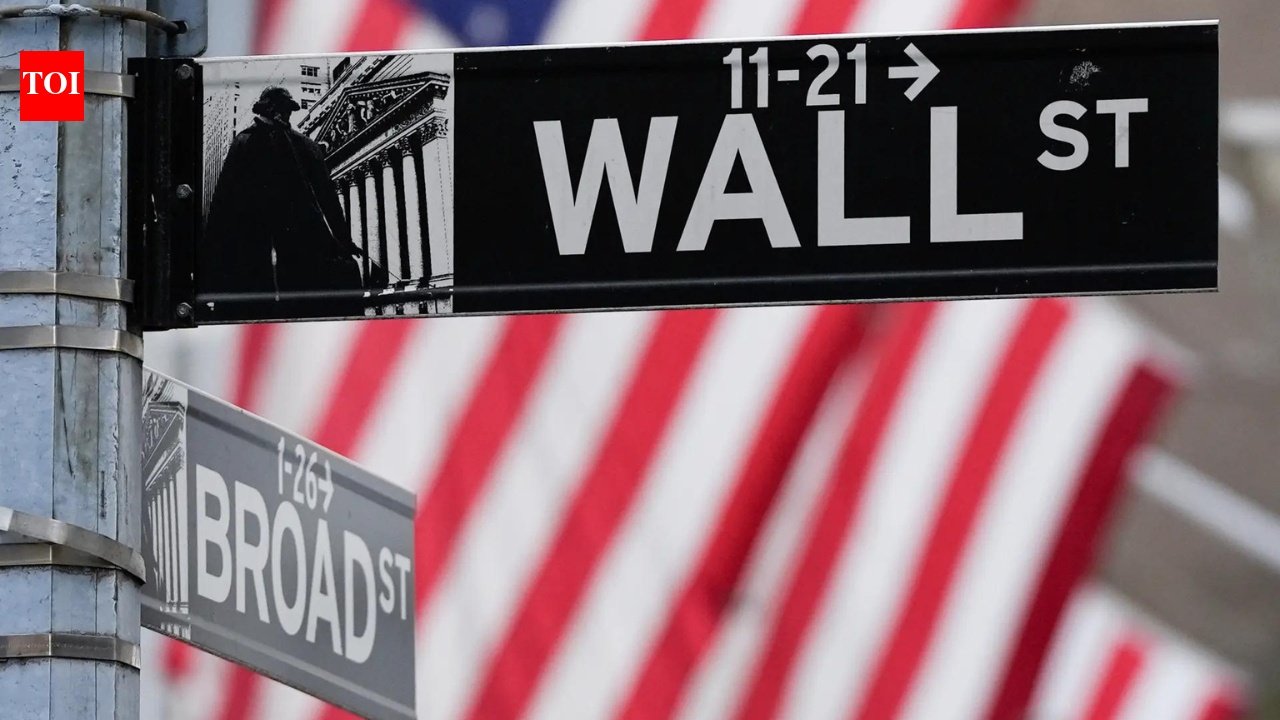
Wall Street capped off a historic trading session on Friday, driving all three major U.S. stock indexes to new all-time closing highs. A powerful combination of blowout hardware earnings and building optimism surrounding a diplomatic breakthrough in the Middle East gave investors a green light to dump risk hedges and aggressively buy equities.
The milestone session cemented a nine-week winning streak for the S&P 500—its longest uninterrupted weekly run of gains since December 2023, matching a historic pace not seen frequently since 1985.
The Drivers: AI Hardware Euphoria Meets Crashing Oil Prices
The record-breaking rally was propelled by two primary catalysts, working together to push major benchmarks to unprecedented levels.
1. Hardware Earnings Reignite the AI Trade
While software segments have shown mixed trends, the physical infrastructure supporting artificial intelligence is seeing unstoppable demand.
-
The Dell Catalyst: Technology giant Dell Technologies served as the day’s primary market engine. Shares soared over 30% after the company raised its full-year profit and revenue forecasts, driven entirely by a surge in demand for its Nvidia-powered AI enterprise servers.
-
The Ripple Effect: Dell’s blowout guidance triggered a massive wave of buying across the entire semiconductor and hardware ecosystem. Key AI infrastructure peers, including Super Micro Computer and Hewlett Packard Enterprise, along with megacap anchor Microsoft, experienced sharp upward moves.
2. Middle East Truce Hopes Ease Macro Pressures
Geopolitical anxiety, which has hung over global markets for months due to the U.S.-Iran conflict, shifted heavily toward optimism.
-
The Diplomatic Break: Investor sentiment was highly lifted by news that the U.S. and Iran have agreed to extend their fragile ceasefire. Adding fuel to the risk-on rally, President Donald Trump stated via social media that he would make a final decision on a broader deal soon, declaring that the naval blockade would be lifted and demanding the immediate reopening of the critical Strait of Hormuz shipping corridor.
-
The Energy Relief: In response to the peace momentum, global crude benchmarks experienced a massive selloff, with oil prices tumbling 11% for their largest weekly drop in seven weeks. This steep decline in energy costs dramatically lowered immediate inflation fears, relieving a major source of pressure on global corporate margins.
Closing Bell Performance Metrics
| Index | Closing Level | Daily Gain (%) | Points Gained | Market Milestone |
| Dow Jones Industrial Average | 51,032.45 | +0.72% | +363.48 | Closes above the 51,000 threshold |
| S&P 500 | 7,579.74 | +0.21% | +16.11 | Extends 9-week winning streak |
| Nasdaq Composite | 26,971.21 | +0.20% | +53.74 | Nears the 27,000 milestone |
Underlying Macro Tensions Remain
Despite the euphoric headline records, professional market strategists note that an underlying tug-of-war continues behind the scenes.
Data released earlier in the week showed that U.S. core inflation rose at its fastest pace in three years for the month of April, while first-quarter GDP growth was downwardly revised to a modest 1.6% annualized rate.
The Hawkish Federal Reserve Undertone: High-ranking central bank officials, including Fed Vice Chair for Supervision Michelle Bowman, warned that if extended energy shocks or supply strains linger, monetary policy may need to tighten further. Money markets have actively priced out rate cuts for the remainder of the year, with futures indicating that the next policy shift could potentially be a 25-basis-point interest rate hike in December.
For the moment, however, the combination of crashing commodity prices and undeniable AI corporate monetization has overridden macroeconomic caution, pushing Wall Street into unchartered territory.
