

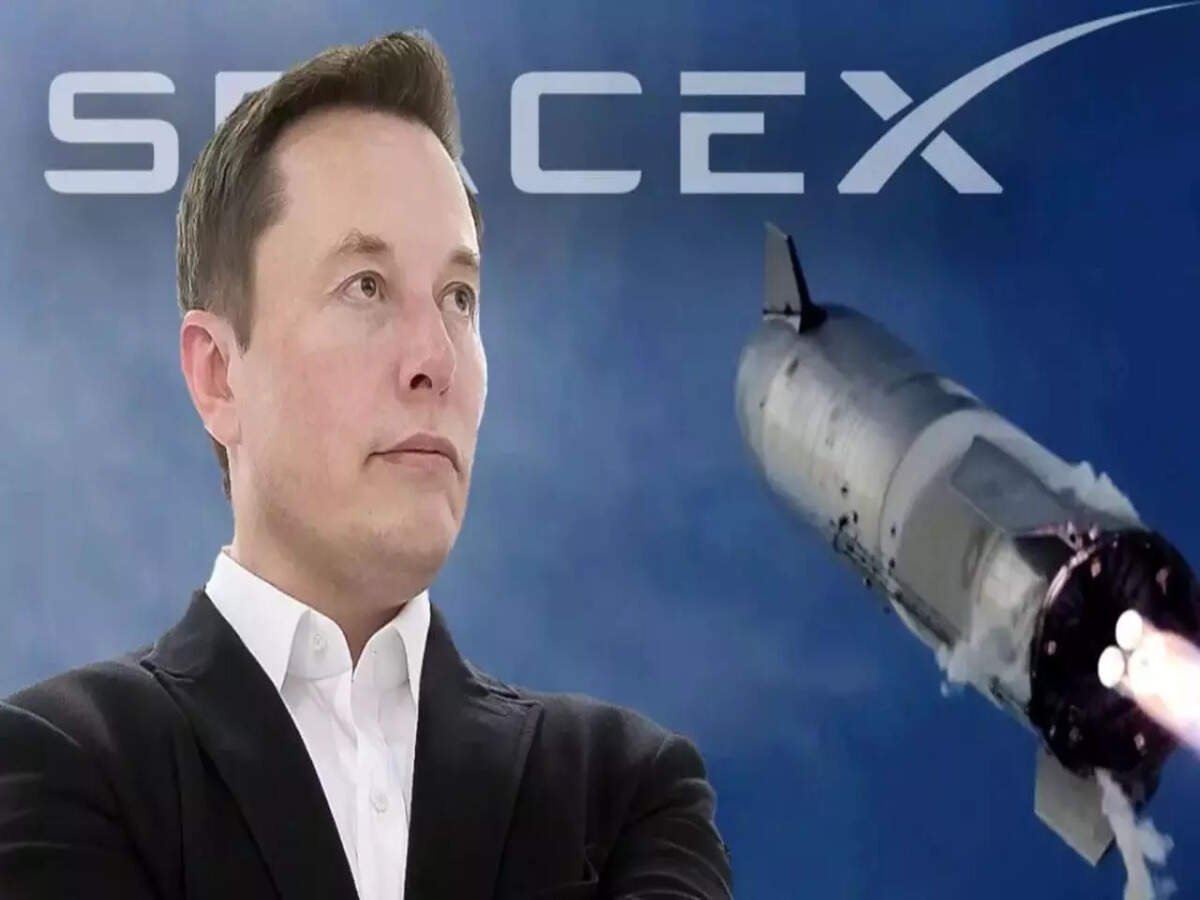
Investing in SpaceX is ultimately a bet on the long-term execution and vision of Elon Musk. That is the core takeaway from Christopher Wood, Global Head of Equity Strategy at Jefferies, who detailed his perspective on the private aerospace giant in his latest weekly note, GREED & fear.
Wood argued that evaluating SpaceX requires moving past typical corporate valuation models, framing the company as a pure-play investment on Musk’s unique leadership style and high-risk appetite.
Starlink: The Core Cash Engine and “Irresistible Growth”
While rocket launches capture headlines, Jefferies highlights Starlink, SpaceX’s satellite internet constellation, as the true engine behind the company’s surging enterprise valuation. Wood pointed to Starlink’s “irresistible growth story,” noting that the service has built a massive, almost unassailable competitive advantage in global telecommunications.
| Starlink Performance Metrics (Jefferies Report) | |
| Global Subscriber Base | Exceeded 7.5 million users |
| Financial Health | Substantially cash-flow positive |
| Growth Runway | Rapidly expanding via aviation, maritime, and defense contracts |
This robust cash flow effectively acts as a financial shield, funding Musk’s capital-intensive, deep-space ambitions—specifically the ongoing development and testing of the Starship rocket system—without forcing the company to constantly rely on dilutive private funding rounds.
The Key Risks: Key-Man Dependency and Geopolitics
Despite the glowing growth metrics, Wood caveated his thesis with two significant structural risks that any prospective investor must accept:
-
Extreme Key-Man Risk: Because the company’s strategic direction, valuation, and identity are so deeply intertwined with its founder, SpaceX faces a massive “key-man” dependency. Any sudden change in Musk’s ability to lead would fundamentally alter the investment thesis.
-
The Geopolitical Microscope: Starlink’s global footprint has turned it into a critical piece of international infrastructure, pulling SpaceX directly into complex global security discussions. The company must constantly navigate regulatory pushback, spectrum allocation disputes, and the geopolitical fallout of providing internet access in sensitive or conflict-heavy regions.
Ultimately, Jefferies views SpaceX as a high-conviction, high-moat vehicle. For those willing to accept the unique risks and the absence of traditional public quarterly reporting, the company represents a dominant force in the rapidly expanding space economy, backed by a self-sustaining business model.
