

The era of cheap borrowing is facing prolonged resistance. Financial markets have dramatically shifted their expectations, with traders now fully anticipating a quarter-point interest rate hike from the Federal Reserve by September. This aggressive repricing is driven by a stark realization: stubborn inflationary pressures are refusing to back down, forcing the central bank into a corner.
The Warsh Era Begins with a Hawkish Hold
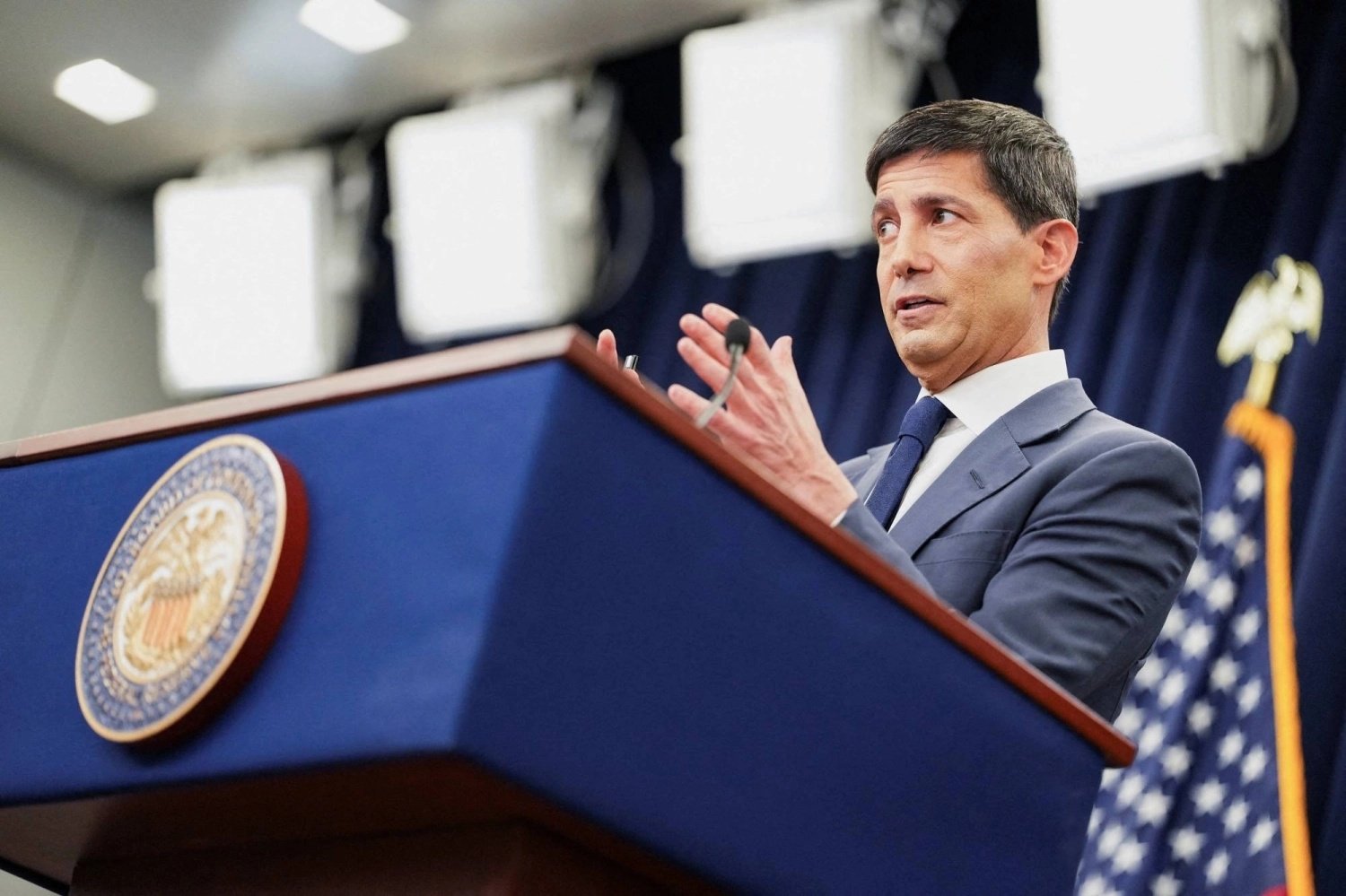
The sudden pivot in market sentiment crystallized during the central bank’s latest policy meeting—the first under newly appointed Federal Reserve Chair Kevin Warsh. While policymakers ultimately decided to keep the benchmark interest rate unchanged in a range of 3.5% to 3.75%, the underlying messaging was undeniably aggressive.
Instead of offering a smooth roadmap, the Fed’s updated economic projections blindsided Wall Street. Policymakers openly signaled a commitment to higher-for-longer borrowing costs, introducing the projection of a formal interest rate hike later this year to combat persistent price pressures.
Tearing Up the Communication Playbook
Compounding the market’s anxiety is a historic overhaul in how the Fed communicates. In his debut meeting, Chair Warsh began rewriting the central bank’s playbook by declining to submit traditional interest rate projections and ditching detailed “forward guidance.”
By shifting away from the hyper-communicative style of his predecessors, Warsh effectively removed Wall Street’s economic safety net. This newly unpredictable environment means investors can no longer count on the Fed to telegraph its moves weeks in advance.
Waves of Market Turbulence
The combination of missing guidance and looming rate-hike threats sent shockwaves through global assets:
-
Equities Tumble: U.S. stock markets reacted with immediate distress, with the Nasdaq and S&P 500 both skidding over 1% following the policy announcement.
-
The Dollar Surges: The U.S. dollar experienced a powerful, bullish breakout against major global peers, climbing to a two-month peak and threatening to drag the Japanese yen toward historic intervention levels.
-
Commodities and International Tech Take a Hit: Safe-haven gold plummeted toward a third consecutive weekly loss as elevated yields dulled its appeal. Meanwhile, heavy-weight global sectors, including Indian IT giants like Infosys and TCS, saw deep sell-offs of up to 3% as corporate buyers braced for costlier capital.
A Delicate Balancing Act
Despite the market’s initial panic, the broader economic landscape remains deeply complicated. Interestingly, a simultaneous decline in global oil prices—triggered by an interim U.S.-Iran peace deal that reopened the Strait of Hormuz—has provided some relief to energy-driven inflation fears.
Yet, central banks remain highly vigilant. For investors, the message from the new-look Fed is loud and clear: the hand-holding is over, and the path forward will require Navigating a much higher, much more volatile interest rate environment.
