

The tech sector is currently locked in an unyielding debate: Is artificial intelligence the greatest productivity engine in human history, or are we inflating a dot-com-style financial bubble?
Amid skyrocketing valuations for hardware giants, chip manufacturers, and algorithmic startups, Warren Buffett’s most famous aphorism has never felt more timely:
“You only find out who is swimming naked when the tide goes out.”
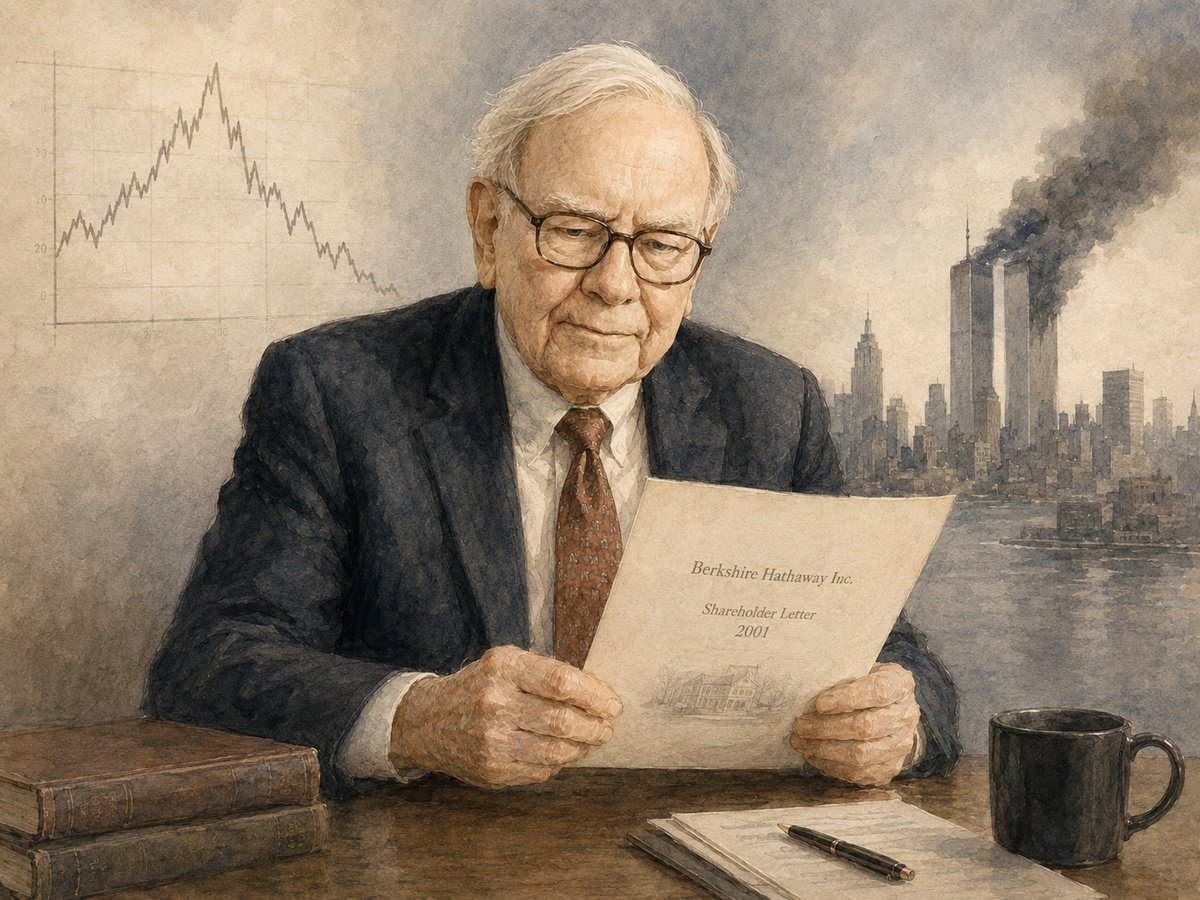
Buffett penned this iconic line exactly 25 years ago in his 2001 Berkshire Hathaway Annual Shareholder Letter. That year, the financial tide didn’t just recede—it vanished entirely. The dot-com crash wiped out trillions in speculative paper wealth, a global recession took hold, and systemic corporate fraud (like Enron) unraveled overnight.
Looking back at that era provides a perfect blueprint for evaluating today’s explosive AI landscape.
The Anatomy of the 2001 “Naked” Market
In the late 1990s, companies tacked “.com” onto their names to watch their stock prices double instantly without delivering a rupee or dollar of actual profit. When capital was cheap and the “tide” of liquidity was high, every business model looked flawless.
When the bubble burst, the market exposed three distinct types of “naked swimmers”:
-
The Pure Speculators: Startups burning through massive venture capital with zero path to profitability, relying purely on the hope that a larger investor would buy them out.
-
The Hidden Leveragers: Corporations using complex accounting loop-holes and extreme debt to hide operational inefficiencies while riding the wave of market optimism.
-
The Blind Optimists: Fund managers and executives who mistook a broad macro-economic upward trend for individual business genius.
Drawing the Parallel: The 2026 AI Capital Wave
Today, the “tide” is the massive influx of corporate capital expenditure pouring into AI data centers, specialized graphics cards, and foundational language models. This massive capital wave allows companies to mask underlying vulnerabilities.
Here is how Buffett’s logic maps directly onto the current AI ecosystem:
| Market Phase | The Dot-Com Era (2001) | The AI Era (2026) |
| The Speculative Catalyst | Raw web traffic, page views, and domain registrations. | High-performance computing clusters, parameter size, and API call volumes. |
| The Infrastructure Boom | Telecommunications companies laying millions of miles of fiber-optic cables that remained dark for years. | Hyper-scalers building massive data centers and consuming gigawatts of energy to hoard advanced processing chips. |
| The Fundamental Question | “How does an online pet store turn a profit?” | “When do enterprises see real revenue returns on their multi-billion dollar AI software subscriptions?” |
Knowing a Risk vs. Managing a Risk
The true value of Buffett’s 2001 masterclass isn’t just that he accurately identified the dot-com bubble—it is that he actively refused to participate in it, even when his caution made him look old-fashioned during the peak of the rally.
Buffett points out that most investors actually know the risks they are taking; they simply convince themselves they can successfully exit right before the tide turns.
The Survival Checklist for Today’s Tech Market
If you are evaluating tech companies or deploying capital into the current market, Buffett’s timeless principles offer a reliable safety filter:
-
Look for Free Cash Flow, Not Hype: Avoid companies valued entirely on future projections. Prioritize entities generating actual cash from paying customers today.
-
Evaluate Switching Costs: Does the AI company possess a genuine competitive moat, or can a developer replace their software product over a weekend using an open-source alternative?
-
Identify the “Shovel Sellers” vs. the Gold Miners: During a gold rush, the individuals selling shovels usually make the most reliable returns. In the tech sector, hardware infrastructure providers have secure revenue streams, whereas the software startups building on top of them face fierce, commoditized competition.
The AI revolution will undoubtedly reshape the global economy. However, as capital costs normalize and corporate tech budgets tighten, the tide will inevitably recede. Only then will we see which AI enterprises built lasting, structural foundations—and which ones were merely riding the wave.
