

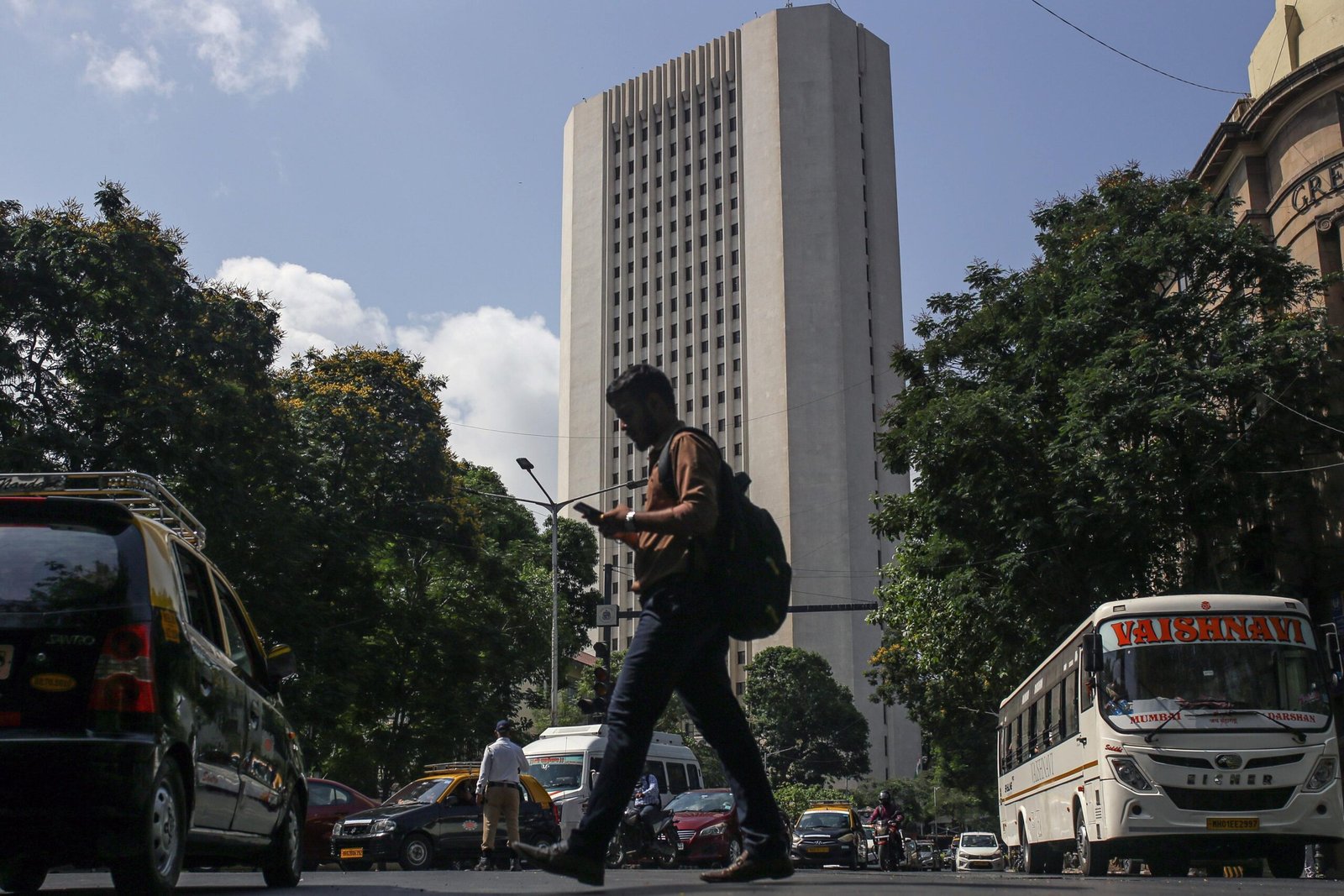
The Reserve Bank of India (RBI) has issued a draft proposal aimed at deepening the country’s short-term wholesale funding markets. Under the newly unveiled framework, non-banking financial companies (NBFCs)—including mortgage lenders—and non-financial corporate houses will be granted direct entry into the term money market, an arena previously restricted to commercial banks and standalone primary dealers.
The draft guidelines follow through on an initial policy intent announced during the central bank’s April monetary policy meeting. The financial community has until July 17, 2026, to submit formal feedback on the proposals.
The Proposed Framework
The draft rules establish new boundaries for participants depending on their institution type, designed to expand credit availability without destabilizing the system.
Strategy Behind the Move: Unlocking Unsecured Liquidity
India’s domestic money markets currently suffer from a structural imbalance, heavily leaning toward secured, collateralized channels.
-
Secured Dominance: The overnight repo and collateralized lending markets account for the overwhelming majority of daily volumes, with active turnover routinely crossing $70 billion.
-
The Unsecured Goal: By introducing large corporate treasuries and large-scale shadow lenders as active counterparties, the RBI hopes to breathe liquidity into the unsecured overnight call and term money spaces. A deeper, more populated term money market gives the RBI a much cleaner, responsive transmission mechanism for its monetary policy adjustments.
