

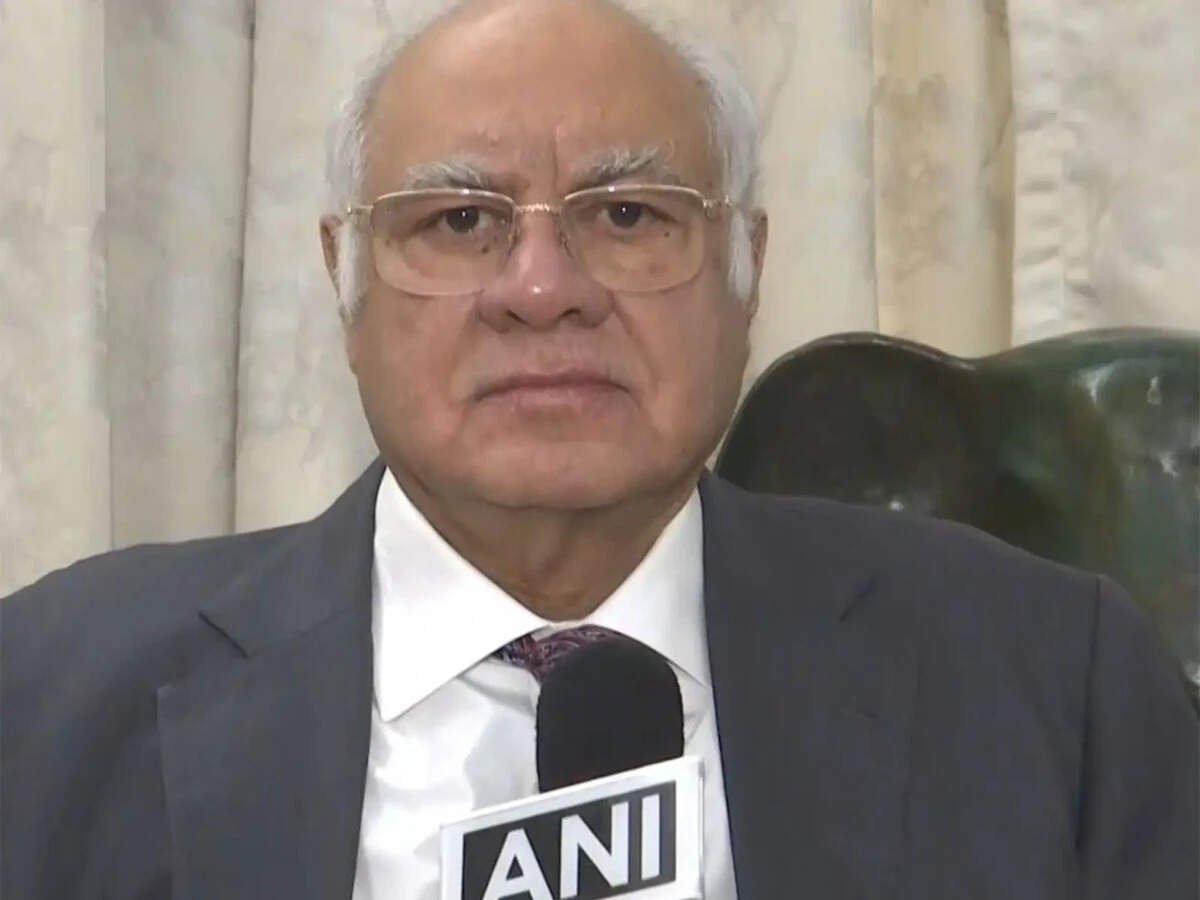
The recent order by US District Judge Nicholas Garaufis requesting more details on dropping charges against the Adani Group is a standard legal procedure rather than an adverse development, according to senior Indian lawyer Raian N. Karanjawala.
The clarification follows an instruction from Judge Garaufis to the US Department of Justice (DOJ) to provide a more comprehensive explanation for its petition to formally dismiss the indictment against Gautam Adani and Sagar Adani.
The Legal Context: Seeking the ‘Leave of the Court’
Karanjawala, Managing Partner of Karanjawala & Company—who noted that the Adani Group is a client of his firm and Gautam Adani is a personal friend—explained that under the American legal system, federal prosecutors cannot unilaterally drop a case once an indictment is filed.
-
Prosecutorial Discretion: While the DOJ holds immense power to decide whether to continue or withdraw a prosecution, it must legally obtain the court’s permission, known as the “leave of the court.”
-
Limited Judicial Role: The judge’s primary role at this stage is to ensure proper legal procedure has been followed. In the vast majority of cases, courts grant permission once the public prosecutor explicitly states it wants to withdraw.
-
No Long-Term Delays Expected: The DOJ is expected to submit its detailed response seamlessly, allowing the matter to proceed in its normal course without pushing the timeline back by several months.
Why the US DOJ Decided to Drop the Case
The DOJ had previously moved to permanently drop all criminal charges of alleged securities and wire fraud pending in New York, concluding that the allegations could not be sustained. The Adani Group’s legal defense, outlined in a June 24, 2026 court filing, highlighted several foundational flaws in the original prosecution:
-
Jurisdictional Boundaries: The transactions involved non-US issuers and lenders governed by English law. Based on the US Supreme Court landmark precedent Morrison v. National Australia Bank, the transactions fell outside the territorial scope of US securities laws.
-
No Evidence of Bribery: Expert testimony from a former senior Indian regulatory official established that the alleged payments were transparent, lawful price reductions rather than illicit inducements.
-
Zero Investor Losses: The defense emphasized that no investors suffered losses, as all bond and loan obligations have been paid on time or remain in completely good standing.
The matter now rests on the DOJ providing the supplementary paperwork requested by the court to formally close out the indictment.
