

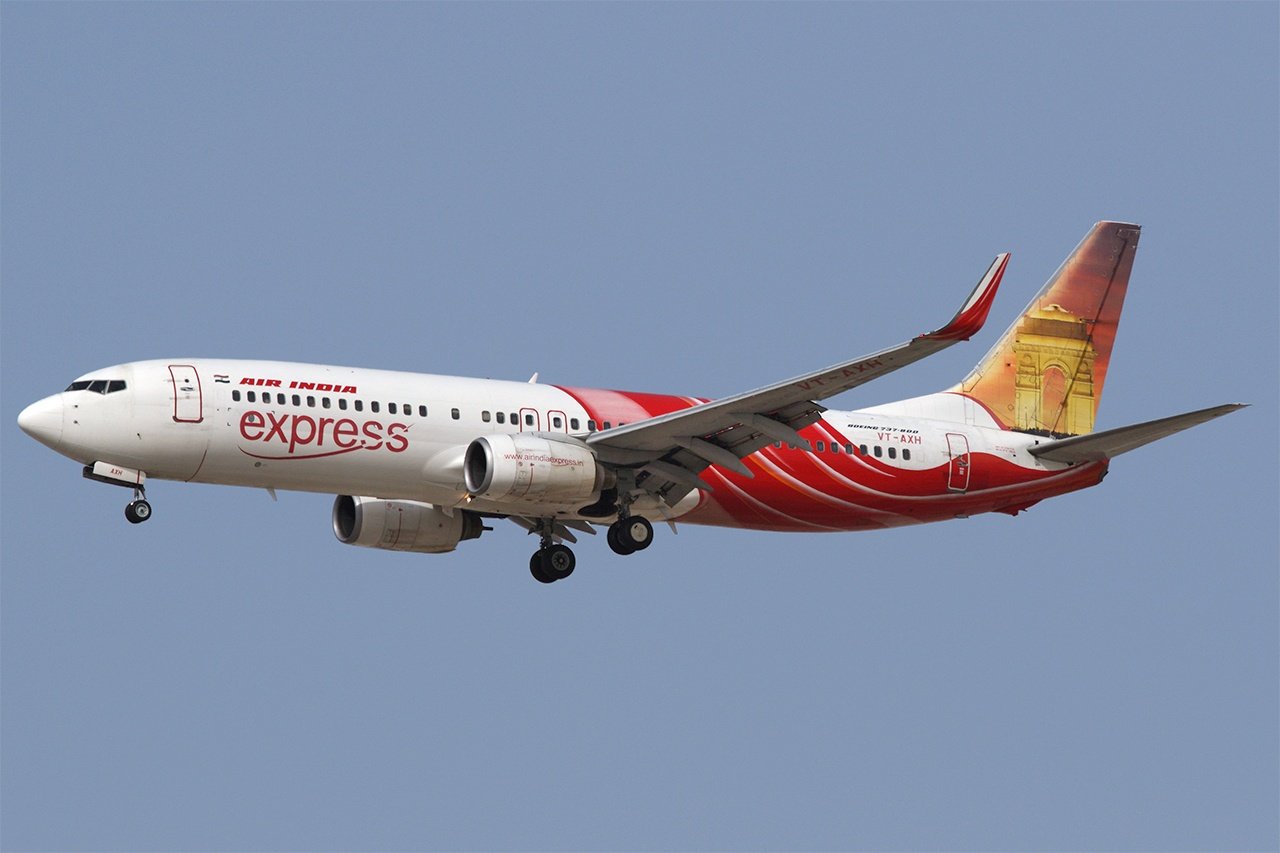
Air India Express, the low-cost subsidiary of the Tata-owned Air India, has significantly increased its debt ceiling to ₹17,500 crore. This move—the third such hike since its merger with AirAsia India in 2024—comes as the airline faces a “perfect storm” of widening losses, rising fuel costs, and geopolitical disruptions.
1. The Financial Stress Test
Despite a healthy growth in revenue, the airline’s bottom line is under severe pressure. The widening gap between earning and spending is the primary driver for the increased borrowing limit.
- Widening Losses: In FY25, losses expanded fourfold to ₹5,822 crore, even as revenue rose 26% to ₹16,033 crore.
- The “Loss per ₹100” Metric: Air India Express is currently losing ₹36 for every ₹100 earned. In contrast, its parent company, Air India, has narrowed its losses to roughly ₹6.5 per ₹100 earned.
- Debt vs. Revenue: With the new limit of ₹17,500 crore, the airline’s potential debt now exceeds its total annual revenue (₹16,033 crore).
2. Why the “Turbulence”?
Several external and internal factors are contributing to this financial strain:
- West Asia Disruptions: Ongoing conflict and airspace closures in West Asia have hit the airline hard, as this region is a core market for Air India Express.
- Rising Input Costs: Global crude oil price spikes have increased the cost of Aviation Turbine Fuel (ATF), which typically accounts for nearly 40% of an airline’s operating expenses.
- Aggressive Expansion: Despite the losses, the airline is adding 20–24 narrow-body planes this year to its current fleet of 105, requiring significant upfront capital.
- Merger Integration: Transitioning from the AirAsia India merger continues to involve high one-time integration costs.
3. Strategic Leadership Shift
The airline is also navigating a transition in leadership following the exit of Managing Director Aloke Singh (who notably joined competitor IndiGo as Chief Strategy Officer this week).
- New Leadership: Captain Hamish Maxwell (formerly of Singapore Airlines and Vistara) has been appointed as manager to steady the ship.
- The Task: Maxwell must balance the Tata Group’s aggressive expansion goals with the urgent need to stabilize cash flows and improve operational efficiency.
4. The Broader Tata Aviation Context
The financial health of Air India Express is a growing concern for the Tata Sons board.
- Total Investment: Tata Sons has pumped roughly ₹45,347 crore ($5.1 billion) into its aviation ventures so far.
- Boardroom Pressure: The lack of a clear path to profitability for aviation and e-commerce ventures reportedly led Tata Trusts Chairman Noel Tata to defer the decision on a fresh five-year term for Tata Sons Chairman N. Chandrasekaran last month.
Summary Table: Air India vs. Air India Express (FY25)
| Metric | Air India (Parent) | Air India Express (LCC) |
| Revenue | ₹61,080 Cr | ₹16,033 Cr |
| Annual Loss | ₹3,976 Cr (Decreasing) | ₹5,822 Cr (Increasing) |
| Borrowing Limit | ~₹29,713 Cr | ₹17,500 Cr (Newly Raised) |
| Performance | Losing ₹6.5 per ₹100 | Losing ₹36 per ₹100 |
