

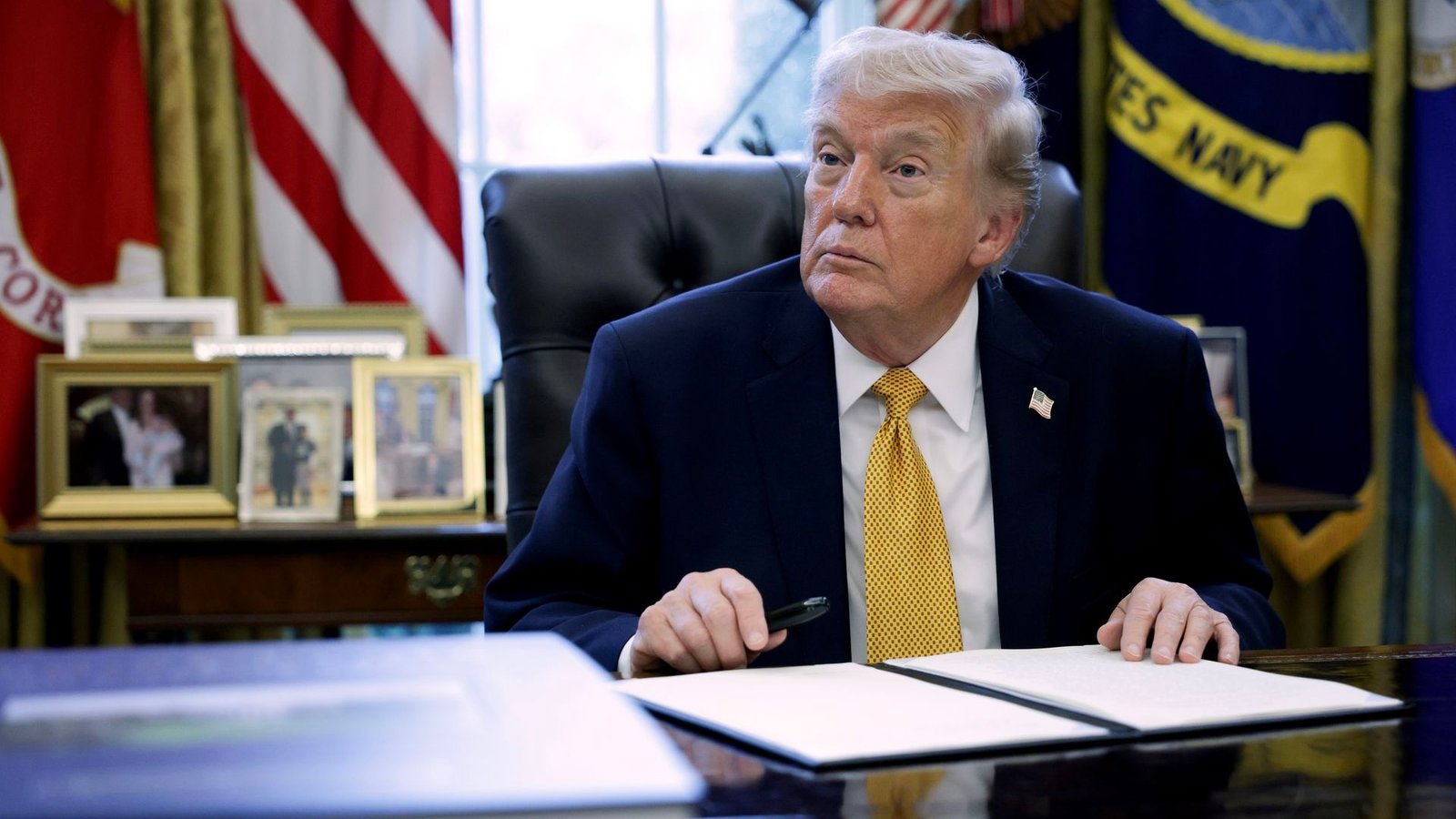
While the de-escalation of the conflict with Iran has provided a temporary breather, the “Sriram Iyer” analysis from March 10, 2026, highlights that the market’s relief may be short-lived. As the fog of war clears, three domestic and economic risks from the Trump agenda are poised to return as the primary drivers of market volatility.
In each of these scenarios, the shift in policy creates a distinct “Winner vs. Loser” dynamic across asset classes.
1. The “10% Global Tariff” Re-emergence
With the 10% universal baseline tariff (and higher specific rates for China) now fully in effect as of February 2026, the initial “front-loading” boom that helped 2025 GDP has faded. The market is now grappling with the actual inflationary impact on consumer goods.
- The Play: US Dollar vs. Emerging Market (EM) Currencies.
- The Outcome: The US Dollar emerges as the winner due to safe-haven flows and higher relative interest rates to combat tariff-induced inflation. Conversely, EM Currencies and Equities (particularly in export-heavy regions like India and Vietnam) suffer as trade barriers squeeze margins and trigger capital outflows.
2. Aggressive Fiscal Expansion (The “OBBBA” Impact)
The One Big Beautiful Bill Act has introduced deep corporate tax cuts (down to 15% for some) and massive infrastructure spending. However, this has come at the cost of a widening fiscal deficit and a “higher-for-longer” stance from a Federal Reserve struggling with stagflation risks.
- The Play: Commodities vs. Fixed Income (Bonds).
- The Outcome: Hard Assets/Commodities (Gold, Copper, and Energy) win as investors hedge against long-term debasement of the currency and persistent inflation. Long-term Bonds are the losers, as surging sovereign yields (driven by debt concerns) crush bond prices.
3. The Labor Supply Shock (Mass Deportations)
The administration’s “Enforcement First” agenda—including workplace raids and the removal of legal protections for groups like TPS holders—has begun to shrink the active labor force. Early 2026 data shows this is driving up labor costs in hospitality, agriculture, and construction.
- The Play: Large-Cap Automation/Tech vs. Small-Cap Services.
- The Outcome: Big Tech and Automation firms win as companies scramble to replace scarce human labor with AI and robotics. Small-Cap Service Stocks lose, as they lack the capital to automate and are most vulnerable to rising wage floors and labor shortages.
Summary of Asset Class Impacts
| Risk Factor | Winner | Loser |
| Global Tariffs | US Dollar | EM Equities/Currencies |
| Fiscal Deficits | Gold & Commodities | Long-term Treasuries |
| Labor Crackdown | Automation & AI Tech | Small-Cap Service Sector |
