

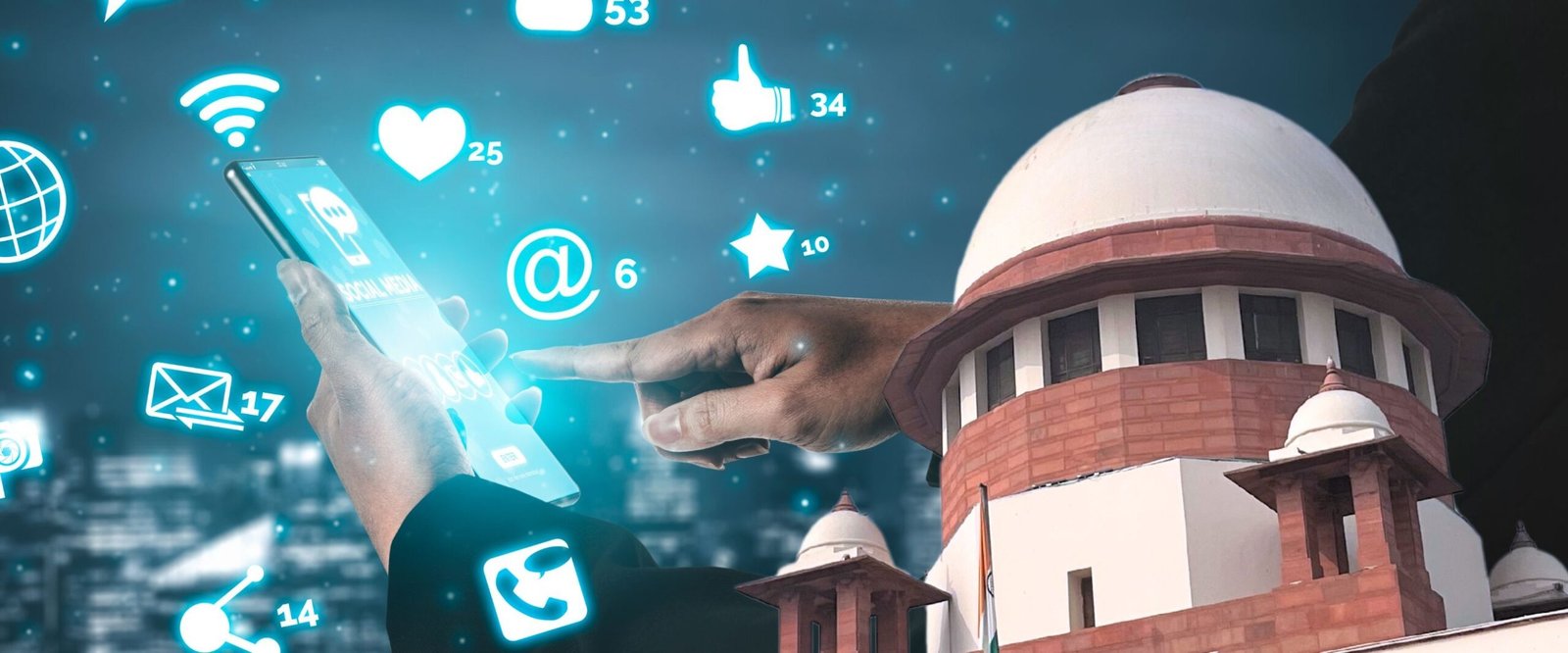
The Indian government introduced draft amendments to the Information Technology (IT) Rules on March 30, 2026, aimed at bringing user-generated news content under a similar regulatory framework as traditional digital publishers. The move has sparked significant debate regarding freedom of expression and the definition of “news” in the digital age.
Key Proposals in the Draft Amendment
-
User-Generated News Oversight: Content posted by individuals—including social media influencers and citizen journalists—that functions as news may now be reviewed under the same standards as professional news outlets.
-
Blocking Orders: The government would have the authority to issue blocking orders for specific news-related posts if they are found to violate established guidelines.
-
Intermediary Responsibility: Social media platforms and other intermediaries would be required to implement stricter monitoring and compliance measures for news-like content shared by their users.
Impact on Digital Creators
The proposed changes represent a shift in how “digital news” is categorized:
-
Influencer Accountability: Influencers who regularly comment on current affairs or report local events could be classified as news publishers, requiring them to adhere to a code of ethics and potentially appoint grievance officers.
-
Citizen Journalism: Individuals capturing and sharing live news events may face legal scrutiny if their content is deemed inaccurate or inflammatory under the new oversight.
-
Compliance Burdens: Smaller creators may find it difficult to navigate the legal and administrative requirements typically reserved for large media houses.
Industry and Civil Society Concerns
The draft has triggered concerns from various stakeholders:
-
Vagueness of Definitions: Critics argue that the line between “personal opinion” and “news” is blurred, leading to potential overreach.
-
Free Speech: Civil society groups warn that the fear of blocking orders or legal action could lead to “self-censorship” among independent digital voices.
-
Platform Neutrality: Intermediaries have expressed concerns over the technical and legal challenges of distinguishing news content from general social media posts at scale.
Next Steps
The government is expected to hold a series of consultations with industry bodies and digital rights advocates before finalizing these rules. This amendment marks a continued effort to regulate the rapidly evolving landscape of digital information and tackle the spread of misinformation on social platforms.
