

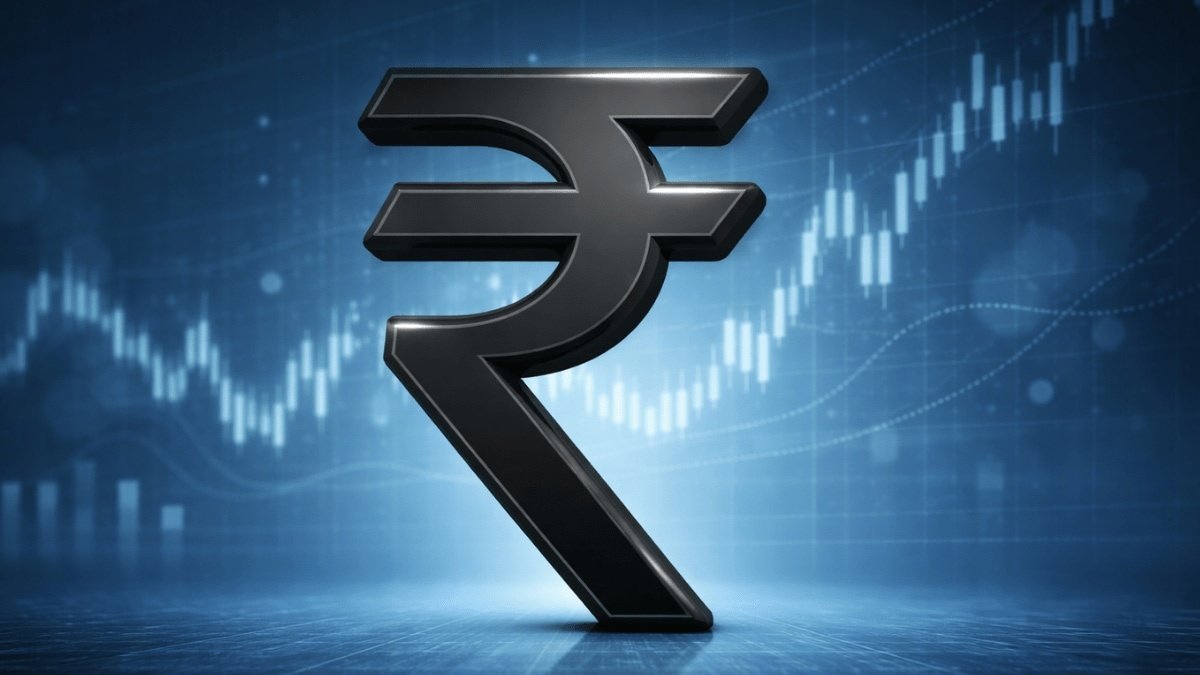
As the Indian Rupee hits record lows of ₹94–₹95 per US Dollar in April 2026, the “dream vacation” is officially seeing a price hike. Driven by Middle East tensions and rising crude oil prices, the currency’s 10% depreciation over the past year has added a “hidden tax” of up to ₹1 lakh on international family trips.
Here is how the crash is hitting your wallet and how to pivot your plans.
The Price of Depreciation: By the Numbers
The impact isn’t just a few extra rupees at the airport; it’s a structural increase across your entire itinerary. On average, international travel is now 12–20% costlier than last year.
| Trip Type | Old Cost (Approx.) | New Cost (2026) | Difference |
| Solo / Couple ($3,000) | ₹2.45 Lakh | ₹2.85 Lakh | +₹40,000 |
| Mid-Range Family Trip | ₹6.00 Lakh | ₹7.00 Lakh | +₹1,00,000 |
| Budget International | ₹1.80 Lakh | ₹2.40 Lakh | +₹60,000 |
Why the jump? Airfares are up 12–18% due to dollar-linked jet fuel costs, while hotels and local daily expenses have surged by 15–20% simply because your rupee now buys less foreign currency.
Where It Hurts Most (and Least)
Not all destinations are created equal in this currency crisis. The “Dollar-Pegged” regions are seeing the sharpest spikes.
-
The Expensive Zone (+15–20% costlier): USA, UK, Europe, and the UAE. These destinations are either directly linked to the USD or the Euro, both of which have strengthened significantly against the Rupee.
-
The Value Zone (+9–12% costlier): Thailand, Vietnam, and Indonesia. These currencies often move more in sync with the Rupee, meaning your purchasing power hasn’t eroded as drastically.
The Strategy: How to Save Your Summer
You don’t necessarily need to cancel your trip, but you do need to change how you pay for it.
1. Lock in the “Rupee Cost” Early
Instead of booking “pay at hotel” options, opt for prepaid all-inclusive packages. This allows you to pay the bulk of your trip in Rupees today, protecting you if the currency slides further to ₹96 or ₹97 by the time you travel.
2. Ditch the Credit Card Abroad
Standard credit cards often carry a 3.5% currency markup plus unpredictable exchange rates on the day of billing.
-
Switch to: Multicurrency Prepaid Forex Cards. You can load them when the Rupee has a “good day” and lock in that rate for your entire trip.
3. Stagger Your Forex Buys
Don’t buy all your foreign cash on the day of departure. Start buying small amounts every week (SIP-style) for the 60 days leading up to your trip to average out the volatility.
4. Trimming the “Discretionary” Fat
Travelers are increasingly choosing shorter, 5–7 day itineraries instead of 10-day marathons and cutting back on high-street shopping to keep the core experience (sightseeing and flights) intact.
The Bottom Line
With international travel already 30% more expensive than pre-pandemic levels due to global inflation, the Rupee’s crash is a significant blow. If your heart is set on a London or New York trip, expect a ₹1 lakh premium. If you’re looking to save that lakh, Vietnam or Thailand remain your best tactical bets for 2026.
