

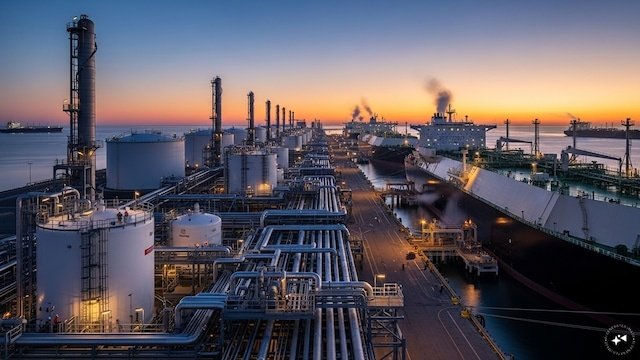
The global energy landscape has been upended as the world’s largest LNG production hub in Qatar is effectively neutralized by the war in Iran. With the Strait of Hormuz closed and the Ras Laffan plant offline, Asian and European superpowers are pivoting en masse toward U.S. suppliers to prevent a total energy collapse.
The Dash for American Gas
At the recent CERAWeek conference in Houston, the atmosphere shifted from long-term planning to immediate crisis management. Industrial giants like Germany and Japan are leading the charge to secure short-term cargoes.
- The Supply Gap: Qatar’s absence has knocked approximately 20% of global LNG supply offline.
- The U.S. Advantage: As the world’s top exporter (producing over 116 million metric tons in 2025), the U.S. is the only viable alternative, though its facilities are already running at near-maximum capacity.
- The Inventory Crisis: The urgency is most acute in Japan, which holds only 21 days of gas inventories compared to 250 days of oil.
Producers Scrambling to Meet Demand
U.S. energy titans are looking for “hidden” capacity to address the shortage:
| Company | Action Plan |
| Cheniere Energy | Reviewing maintenance schedules to delay shutdowns and squeeze out extra cargoes from Texas and Louisiana plants. |
| Venture Global | Utilizing “commissioning cargoes” from the new Plaquemines facility to provide supply before long-term contracts officially begin. |
| Woodside Energy | Operating at 100% capacity and exploring all technical options to increase flow. |
“The incremental LNG supply in a very constrained market is going to be bid up between Asia and Europe.” — Balaji Krishnamurthy, Chevron Australia
Winners and Losers in the New Energy Map
While U.S. exporters stand to gain significant long-term market share and a “re-priced risk premium,” the human and economic cost elsewhere is staggering.
- Emerging Markets Suffocating: Nations like India and Bangladesh are being priced out. Spot LNG prices have nearly doubled since the war began, leaving developing economies unable to compete with the “blank checks” offered by wealthy European and Asian nations.
- The Death of Middle East Dominance: The “force majeure” declared by QatarEnergy on supplies to Italy, Belgium, and China signals a long-term reliability crisis for Gulf energy.
- The US-Gulf Coast Boom: Projects like the proposed Commonwealth LNG in Louisiana are seeing renewed investor interest as the U.S. becomes the de facto “safe haven” for energy security.
