

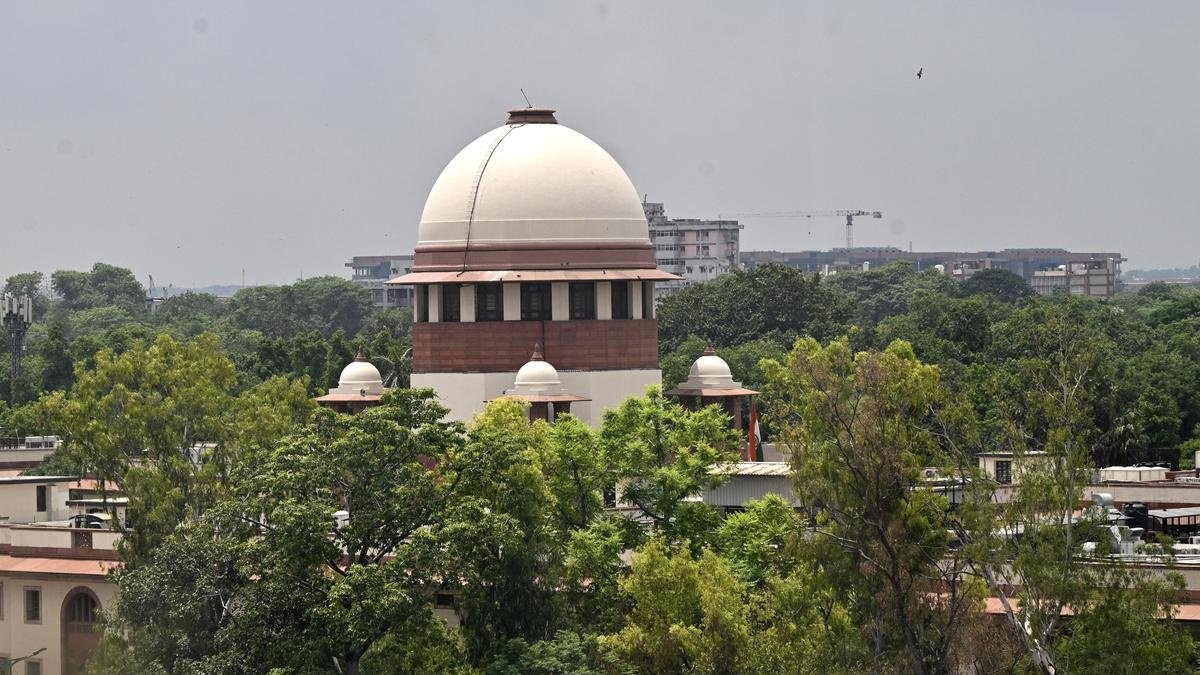
The Supreme Court of India on Monday (July 20, 2026) strongly criticized insurance companies for drafting vague and poorly worded policies to escape their financial obligations. A Bench of Justices Sanjay Karol and N. Kotiswar Singh observed that this reliance on “ambiguous” and “sloppy” terms directly harms ordinary policyholders and creates unnecessary hurdles in the timely settlement of motor accident compensation claims.
Key Rulings and Observations
-
Demand for Absolute Clarity: The apex court ruled that the language used in insurance contracts must be precise, clear, and free from multiple interpretations.
-
Territorial Limits Must Be Explicit: The Bench emphasized that if a policy is intended to cover any extra-territorial or international jurisdiction, those specific geographic boundaries must be clearly and explicitly mentioned within the contract.
-
Asymmetry of Drafting Power: The court highlighted that because insurance companies hold all the power when drafting standard-form contracts, they bear the responsibility for any confusion. When policies are intentionally or carelessly left ambiguous, insurers exploit the gaps to deny valid claims.
-
Double-Edged Consequences: The Bench noted that while sloppy language is often used to exploit policyholders, it occasionally backfires on the insurers themselves, burdening them with legal liabilities they never originally intended to assume.
The Structural Impact: This ruling sets a firm legal precedent protecting consumers against the fine print of standard-form insurance contracts. By demanding absolute clarity—especially regarding territorial jurisdiction—the Supreme Court aims to streamline and accelerate the disposal of pending motor accident compensation claims.
