

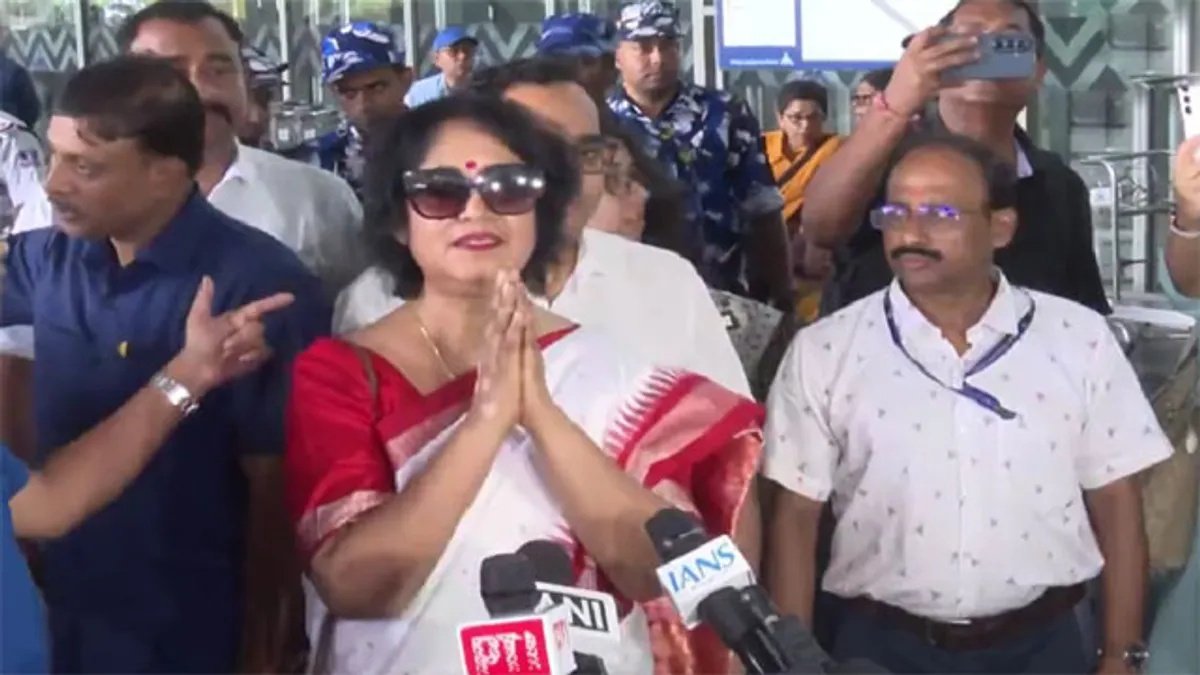
Exiled Bangladeshi author Taslima Nasreen described her emotional return to Kolkata after nearly two decades as a victory for fundamental rights and free expression, declaring that her homecoming demonstrates “injustice cannot be permanent.”
Nasreen, who was forced to leave the city in 2007 following violent protests over her writings, shared her reflections upon revisiting West Bengal, emphasizing her enduring affection for the cultural hub she considers her second home.
Key Highlights
-
A Long-Awaited Return: Marking her first time back in Kolkata in 19 years, Nasreen re-established her connection with the city where she lived for years following her exile from Bangladesh in 1994.
-
Tribute to Free Expression: The author reiterated that intolerance and censorship may cause prolonged exile, but personal convictions and artistic freedom ultimately prevail over forced exclusion.
-
Political Assurance: West Bengal Opposition Leader Suvendu Adhikari assured the acclaimed author of full security, stating that the “days of threats are over” in the state.
Reflections on Exile and Belonging
“My return to Kolkata after 19 years proves that injustice cannot be permanent. Kolkata has always lived in my heart, and returning to its streets and people reaffirms my belief in resilience and truth.”
— Taslima Nasreen
| Event Timeline | Historical Context |
| 1994 | Forced to leave Bangladesh following fundamentalist backlash and death threats over her novel Lajja and autobiographical works. |
| 2004 – 2007 | Made Kolkata her primary residence, immersing herself in Bengali literary and cultural life. |
| November 2007 | Forced out of Kolkata by authorities after violent street protests broke out demanding her deportation. |
| August 2026 | Returns to Kolkata after 19 years, calling her visit a validation of patience and justice. |
Broader Significance
Nasreen’s return has reignited conversations around freedom of speech, literary independence, and state protection for exiled intellectuals across South Asia. Supporters and literary figures across West Bengal welcomed her visit, framing it as a long-overdue step toward restoring Kolkata’s legacy as a sanctuary for diverse, critical voices.
