

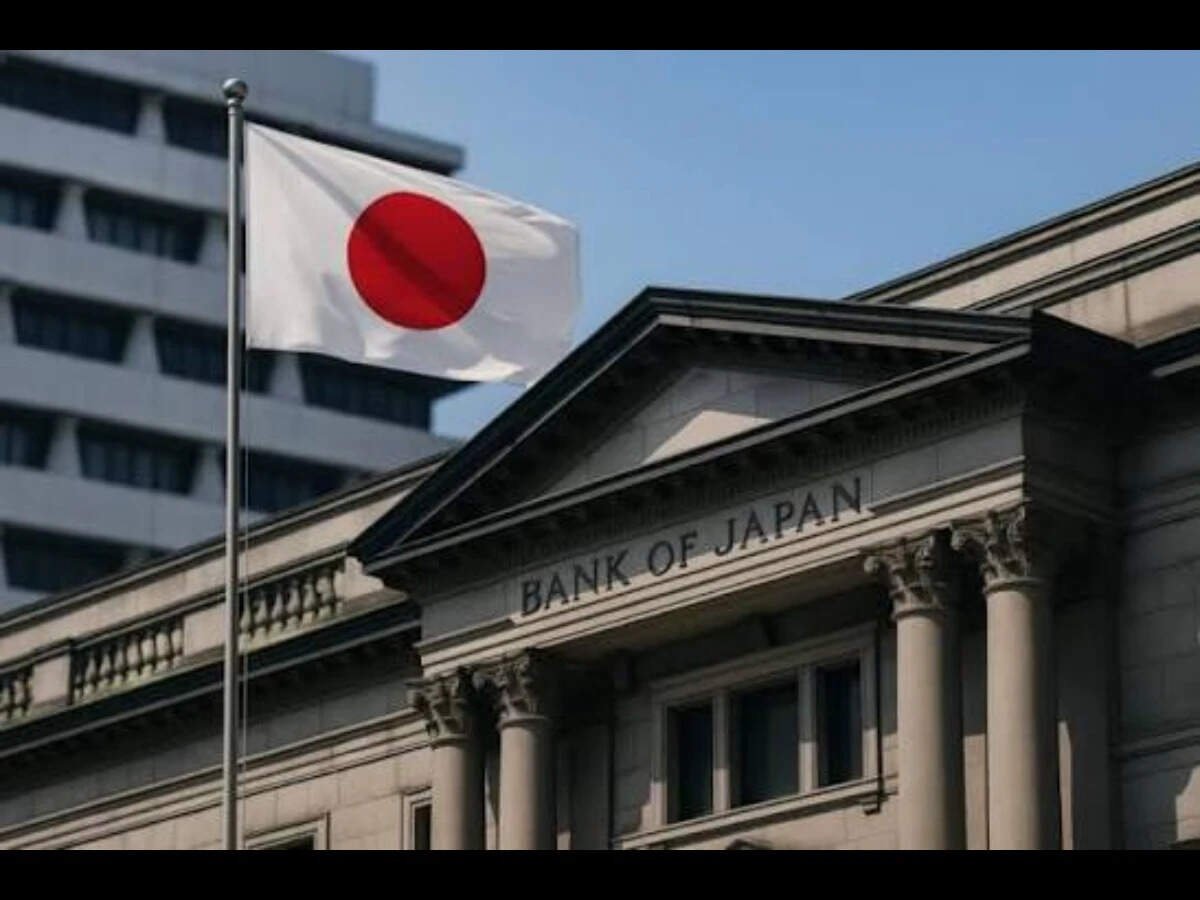
The Bank of Japan (BOJ) is increasingly leaning toward raising interest rates at its upcoming policy meeting on September 17–18, 2026, with central bank officials signaling a willingness to accelerate the overall pace of monetary tightening, according to sources familiar with the bank’s deliberations.
The potential move would mark a notable shift from the BOJ’s recent pattern of raising rates roughly twice a year, opening the door for a quarterly pace of rate hikes that could see borrowing costs rise again as early as December.
1. Shift Toward Faster Monetary Tightening
Since dismantling its decade-long ultra-loose monetary regime and negative interest rates in early 2024, the central bank has taken a cautious, gradual approach. However, after raising its key policy rate to 1.0% in June—a 31-year high—and holding steady at its July meeting, board members are growing increasingly concerned that staying on hold too long risks letting inflation get out of hand.
Financial markets have quickly priced in the potential policy shift, with money market futures reflecting nearly an 80% probability of a rate hike in September.
“An interest rate hike has come into sight,” one source noted, adding that the central bank could transition to a more agile, quarterly cycle of monetary adjustments if cost pressures persist.
2. Key Factors Driving the Hawkish Pivot
Multiple macroeconomic pressures are converging to push Japanese central bankers toward an earlier move:
-
Rising Wholesale & Import Costs: Japan’s wholesale prices climbed 7.2% year-over-year in July, keeping relentless input cost pressures on businesses. A growing number of firms are passing these costs directly to end consumers.
-
Persistent Yen Weakness: Despite coordinated currency intervention between Japanese and U.S. financial authorities in late July, the yen remains under pressure around the 159–160 level per U.S. dollar, inflating the costs of imported food and energy.
-
Global Supply Chain & Commodity Pressures: Conflict in the Middle East has kept crude oil and shipping costs elevated. Simultaneously, a surge in global demand for artificial intelligence (AI) hardware and machinery has driven up raw material prices, particularly for nonferrous metals.
-
Firming Inflation Expectations: Surveys indicate that inflation expectations among Japanese households, businesses, and economists are consistently anchoring near or above the BOJ’s 2% target.
3. Financial Market Reactions
The news triggered immediate movements across Japanese debt markets as investors recalibrated their expectations for Japanese government bonds (JGBs):
-
The two-year JGB yield, which is highly sensitive to short-term monetary policy expectations, rebounded sharply.
-
The five-year JGB yield climbed to record highs, signaling that markets are bracing for a higher terminal rate.
What Lies Ahead
While policymakers acknowledge the need to assess the resilience of Japan’s domestic economic recovery—particularly consumer spending—the summary of opinions from the BOJ’s July meeting revealed growing consensus that financial conditions remain exceptionally loose.
If the BOJ moves forward with a rate increase in September, attention will quickly pivot to whether Governor Kazuo Ueda signals a follow-up hike before the end of 2026.
