

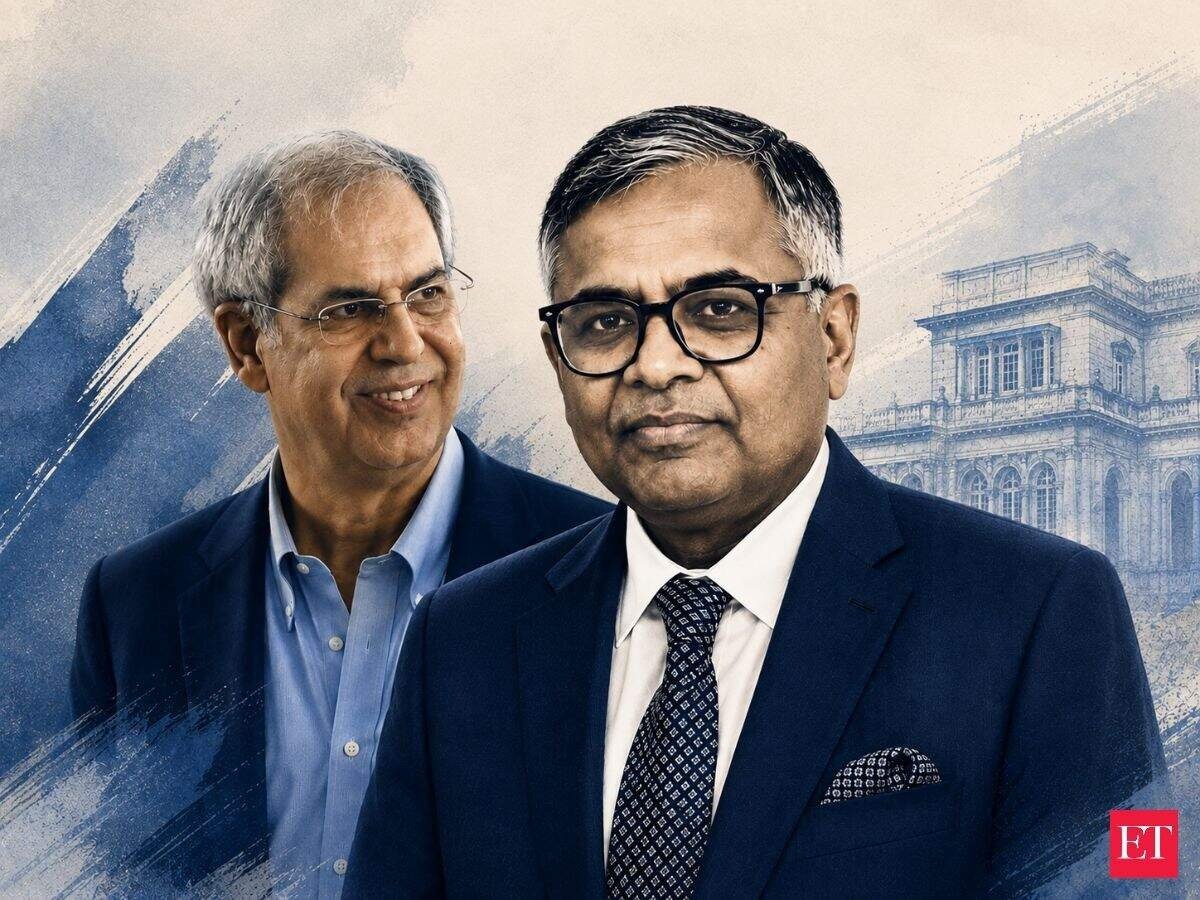
Prior to N. Chandrasekaran’s announcement that he would step down as Chairman of Tata Sons, both he and Tata Trusts Chairman Noel Tata held separate, confidential briefings with senior government functionaries regarding growing internal strife within the conglomerate.
Key Highlights
-
Separate Briefings: Outgoing Tata Sons Chairman N. Chandrasekaran and Tata Trusts Chairman Noel Tata individually met with senior government officials to outline the escalating tensions over strategic direction, governance, and leadership appointments.
-
Core Concerns: The discussions touched upon governance disagreements, the uncertainty surrounding Chandrasekaran’s potential re-appointment, financial strain from loss-making ventures like Air India and Tata’s digital initiatives, and investments in semiconductor manufacturing.
-
Government Stance: Government leaders maintained a neutral position, listening to both sides without taking a factional stance. Officials monitor the conglomerate due to its systemic importance to the national economy, despite it being a private entity.
-
Structural Tensions & Potential Solutions: Insiders note that recurring friction between the Chairman of Tata Sons and the Chairman of Tata Trusts highlights structural governance issues. A potential Initial Public Offering (IPO) of Tata Sons has been discussed to redefine the relationship between the holding company and its dominant shareholder.
-
Leadership Transition: Chandrasekaran announced on August 12 that he will not seek reappointment when his term ends on February 20, 2027. His planned exit follows the step-back of key allies, marking a significant period of transition at Bombay House.
