

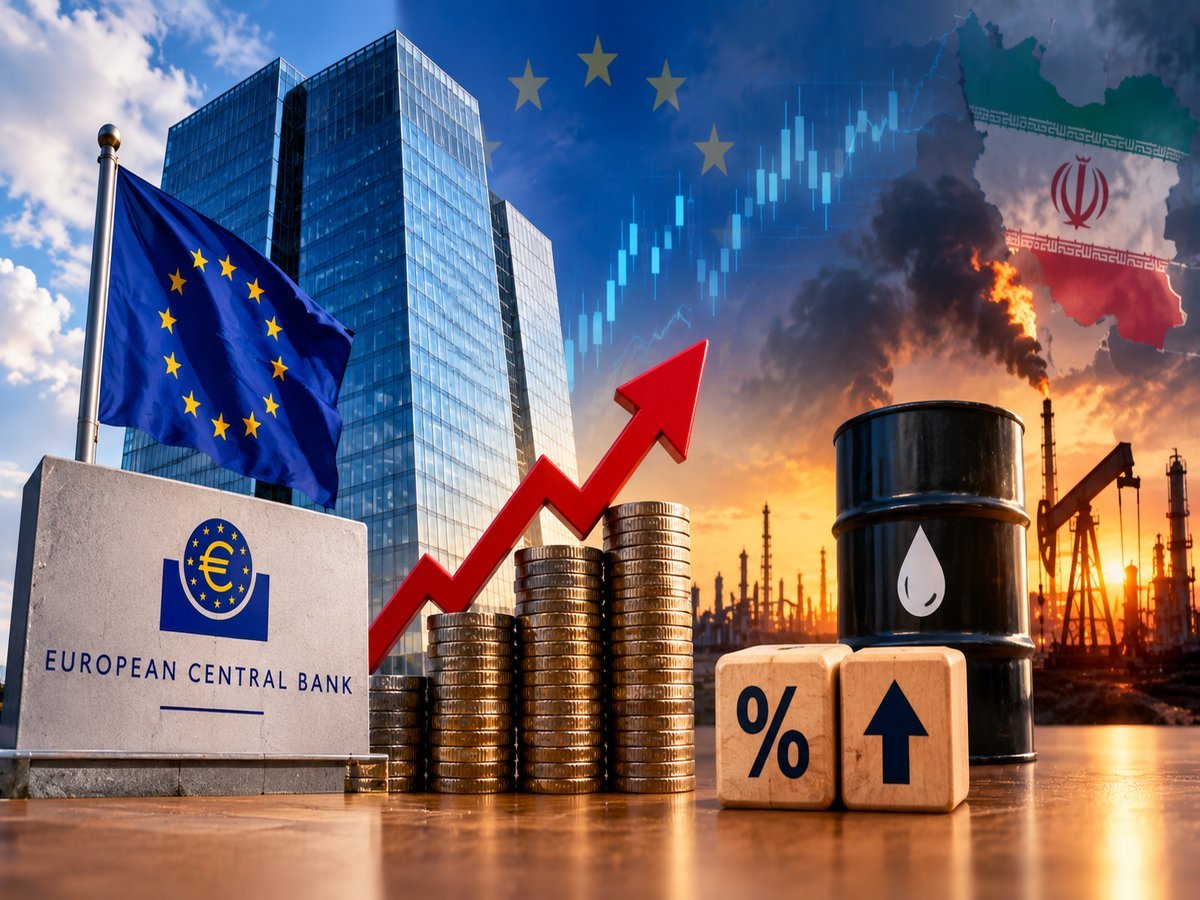
European financial markets are bracing for a pivotal monetary policy decision, with expectations mounting that the European Central Bank (ECB) will raise interest rates. The policy shift comes as intensifying geopolitical conflict involving Iran sends shockwaves through global energy markets, heightening fears of persistent, structural inflation across the eurozone.
Brent crude and regional natural gas prices have surged significantly following the outbreak of hostilities and subsequent logistical disruptions in key shipping lanes like the Strait of Hormuz. The resulting energy shock has forced investors and policymakers to re-evaluate the trajectory of consumer prices.
With energy import costs climbing rapidly, analysts suggest the ECB has little choice but to maintain or even intensify its hawkish stance to anchor inflation expectations, despite mounting risks to broader economic growth. Market participants are now closely monitoring Frankfurt for the official rate decision and accompanying commentary from central bank leadership to gauge how policymakers plan to navigate the compounding threats of wartime energy volatility and slowing continental demand.
