

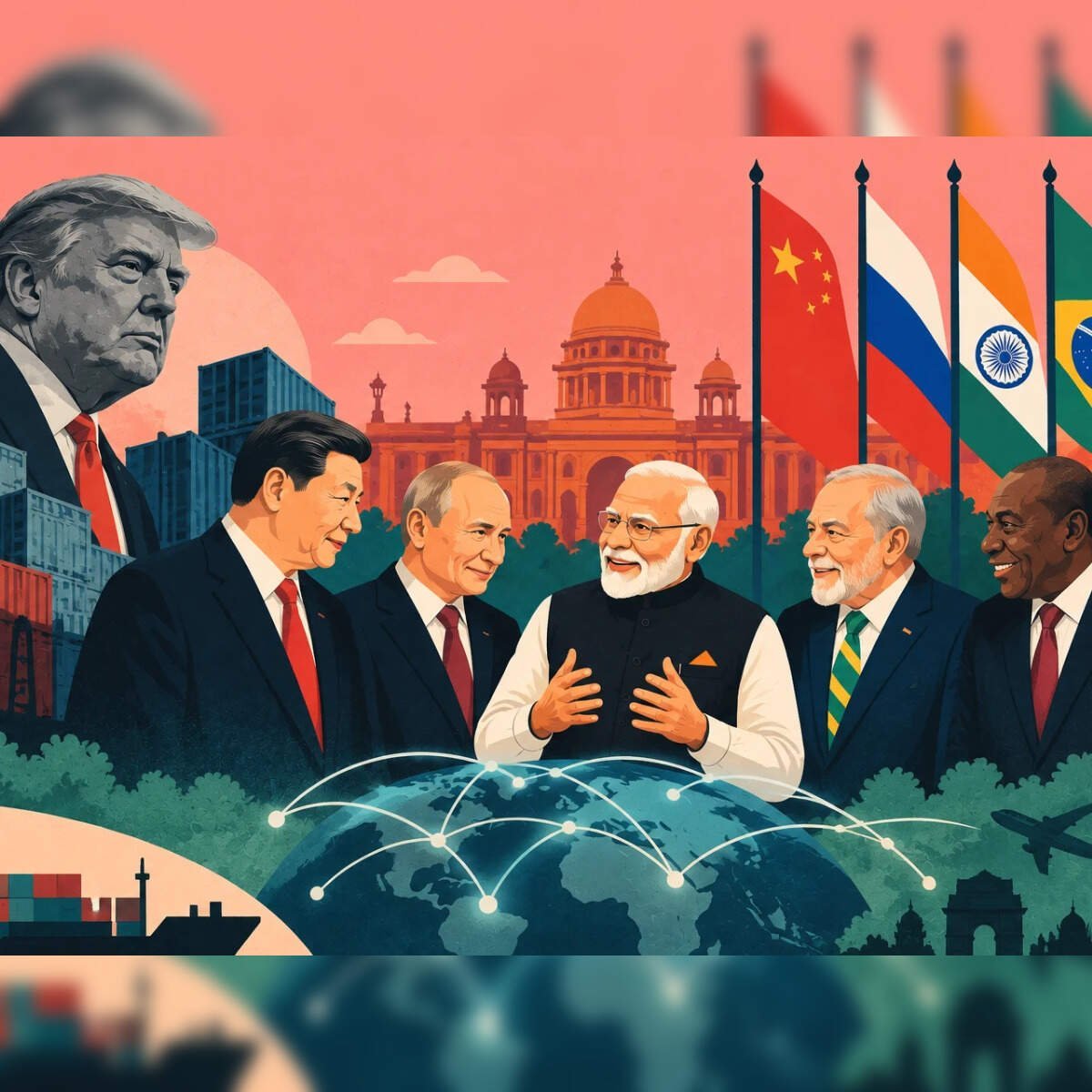
As leaders gather in New Delhi for the BRICS Summit, India has firmly steered the bloc away from the contentious idea of launching a common physical currency or pursuing aggressive de-dollarisation. Instead, New Delhi’s strategic alternative centers on a cashless, digital-first financial architecture.
Core Pillars of India’s BRICS Payment Strategy
-
Rejection of a Common Currency: India has explicitly opposed creating a unified BRICS monetary unit, a stance reinforced by Commerce Minister Piyush Goyal and foreign policy statements to avoid direct friction with Western economies and avoid sweeping tariff threats.
-
CBDC Interoperability: Backed by Reserve Bank of India (RBI) frameworks, the focus has shifted toward linking Central Bank Digital Currencies (CBDCs)—such as the digital rupee, digital yuan, and rouble—allowing member states to settle trade seamlessly using their respective sovereign digital monies.
-
National Payment System Integration: India is actively pitching the integration of fast-payment infrastructure (drawing inspiration from India’s Unified Payments Interface, or UPI) to drastically lower the friction and cost of cross-border retail and wholesale transactions.
Solving the Trade Imbalance Challenge
To prevent logjams like those previously experienced when trading partners accumulated hard-to-deploy local currency surpluses (such as Russia accumulating idle rupee balances), the proposed framework explores practical mechanisms:
-
Bilateral Central Bank Swaps: Utilizing structured currency swap arrangements between central banks to clear trade imbalances periodically without requiring heavy hard-currency reserves.
-
Local Asset Investment Channels: Enabling surplus local currency holdings to be smoothly reinvested into domestic bond markets or productive economic assets within partner countries.
