

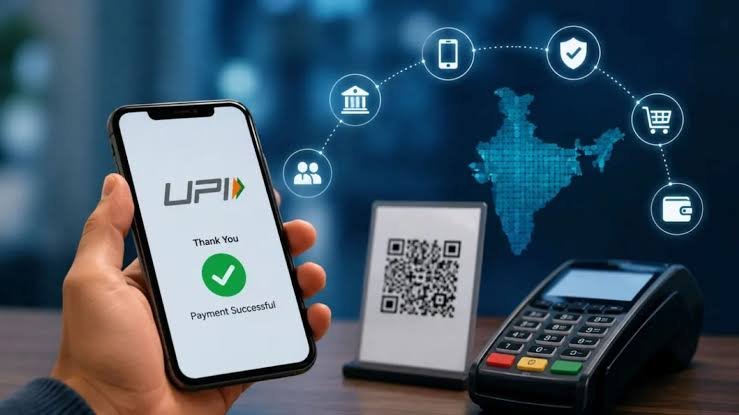
Following the rollout of the new UPI framework—introducing a 0.4% Merchant Discount Rate (MDR) on specified person-to-merchant (P2M) transactions exceeding Rs 2,000—the government and industry bodies have clarified how specific consumer categories will be handled.
Crucially, customers will not pay MDR, as banks have been strictly instructed to prevent merchants from passing the fee onto consumers, and UPI apps are prohibited from levying hidden fees or platform charges.
Key Sector-Wise FAQs Under the New Framework
| Category / Transaction Type | Impact for Amounts Above Rs 2,000 | Impact for Amounts Up to Rs 2,000 | Who Bears the Fee? |
| P2P Transfers | Free (No MDR) | Free (No MDR) | Completely free for all individuals. |
| General Retail / Small Merchants | 0.4% MDR (approx. 4% of total volume affected) | Free (Zero MDR) | Absorbed within the merchant ecosystem; merchants cannot pass it to customers. Small merchants earning under Rs 1 lakh/month via QR codes remain exempt. |
| Fuel Payments | Flat Rs 5 MDR (instead of 0.4%) | Free | Fuel stations/ecosystem; not charged to the vehicle owner. |
| Insurance Premiums | Flat Rs 5 MDR | Free | Insurance providers/ecosystem; policyholders do not pay an extra Rs 5. |
| Utility Bills (Electricity, Water) | Flat Rs 5 MDR | Free | Handled within the merchant backend; bills do not increase for consumers. |
| Railway Tickets | Flat Rs 5 MDR | Free | Absorbed in the payment ecosystem; ticket prices remain unaffected for buyers. |
| Educational Fees (School/College) | Flat-fee structures or capped processing rates | Free | Protected against high percentage-based fees to support institutions and students. |
Core Takeaways for Consumers and Merchants
-
96% Unaffected: Approximately 96% of all merchant transactions remain completely free under the new rules, shielding everyday small-value purchases.
-
Prohibition on Surcharges: Official guidelines explicitly forbid merchants from inflating bill totals or adding a checkout surcharge to offset the MDR.
-
Strengthening Infrastructure: The revenue generated from larger transactions is intended to support issuing banks, payment apps, and fintech infrastructure providers in scaling cybersecurity, preventing fraud, and expanding access to semi-urban and rural regions.
