

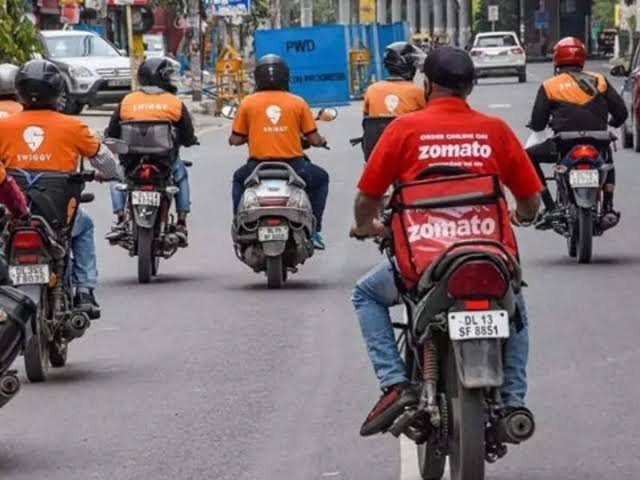
A significant shift is underway in India’s gig economy as delivery partners and independent contractors increasingly embrace income tax filing. Driven by the prospect of reclaiming Tax Deducted at Source (TDS)—which is typically deducted at 1% on platform payouts—thousands of gig workers whose earnings fall below the taxable threshold are actively filing returns to secure direct cash refunds.
Integrating Tax Compliance Into Gig Apps
To facilitate this process, major delivery and e-commerce platforms have embedded streamlined, subsidised tax-filing assistance directly into their partner apps:
-
Eternal (Zomato & Blinkit): Facilitated Income Tax Return (ITR) filings for 2.1 lakh delivery partners, resulting in approximately Rs 33.6 crore in refunds.
-
Swiggy: Enabled over 50,000 food-delivery and Instamart partners to file returns via collaborations with tax-tech platforms like ClearTax, TaxBuddy, and Dvara Money, generating Rs 6.5 crore in refund claims.
-
Zepto & Valmo (Meesho): Registered tens of thousands of filings, helping workers claim millions of rupees in deducted tax balances.
Beyond Refunds: Building Formal Financial Records
For many gig workers, filing a tax return serves a dual purpose. Beyond putting immediate cash back into their hands, an official ITR generates a formal financial record. This documentation acts as a vital stepping stone, enabling workers to:
-
Access formal credit and apply for bank loans.
-
Meet income verification requirements for renting housing.
-
Support documentation needs for international employment opportunities, such as visa applications for West Asia.
While experts note that these initiatives vary in execution, the rapid surge in filings—with platforms reporting that a large majority of participants are first-time filers—signals that tax compliance is swiftly becoming an integrated part of how India’s informal workforce manages its financial future.
