

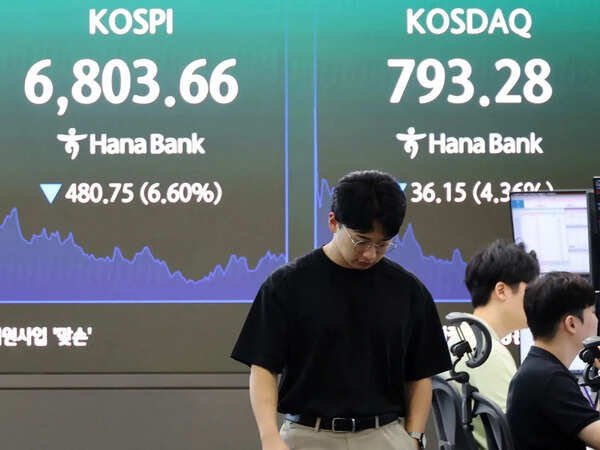
Asian equities face mounting turbulence as a aggressive global bond selloff, multi-year high yields, and persistent energy costs stoke fears of prolonged monetary tightening.
1. The Global Bond Market Shock
-
Multi-Decade Yield Highs: Long-term fixed-income markets experienced sharp repricing, pushing the 30-year U.S. Treasury yield to its highest level since 2004. Meanwhile, the 10-year yield climbed 8 basis points to 5.20%.
-
Global Yield Milestone: The yield on a global bond index hit 4% for the first time since 2007, reflecting intense worldwide upward pressure on borrowing costs.
-
Supply-Side Pressure: An expanded Treasury buyback operation fell short of investor expectations, accelerating the selloff. Markets have rapidly priced in expectations for aggressive interest-rate trajectories, with swaps fully factoring in additional Federal Reserve hikes over the coming year.
2. Energy Markets and Geopolitical Relief
-
Crude Volatility: Brent crude continued a steep multi-month rally, closing above $106 per barrel (up over 75% for the year) due to escalating geopolitical tensions in the Middle East.
-
Temporary Reprieve: Oil prices pared some gains, dipping roughly 0.5% after US and Iranian negotiators explored a phased agreement aimed at reopening the Strait of Hormuz and lifting blockades on Iranian ports.
3. Regional Impact Across Asia
-
Bond Yield Spillovers: Government bond yields across Australia and New Zealand slipped in early trading as regional markets absorbed the broader fixed-income correction.
-
Yen Intervention Risks: In Japan, the currency’s slide brought the exchange rate back within striking distance of the heavily watched 160-per-dollar threshold, reviving market scrutiny over potential monetary intervention by Tokyo.
-
Equities Response: Despite the macro headwinds, broad Asian gauges managed marginal gains of around 0.2%, though institutional strategists warn that surging bond yields and elevated borrowing costs remain a structural bottleneck for equity valuations.
