

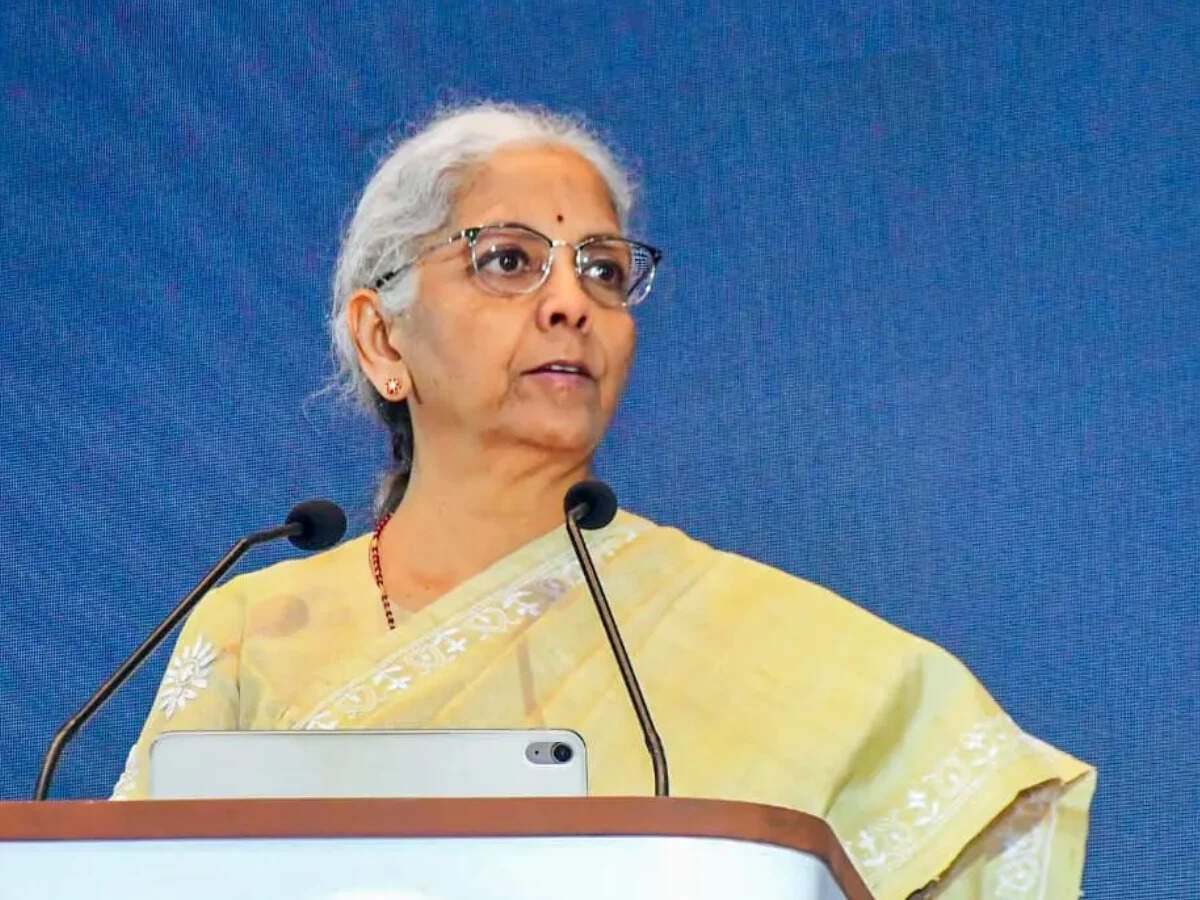
Union Finance Minister Nirmala Sitharaman has strongly pushed back against opposition criticisms and public concerns, declaring that the upcoming Merchant Discount Rate (MDR) framework on UPI transactions will not be passed on to everyday consumers.
Addressing what she termed a “complete misconception,” the Finance Minister clarified key structural details regarding the levy:
Key Clarifications from the Finance Ministry
-
Not a Tax or Cess: Sitharaman emphasized that the MDR is neither a tax, cess, nor a surcharge, and none of the collections go into the government’s treasury or the Consolidated Fund of India.
-
Targeted Threshold: The 0.4% MDR applies solely to person-to-merchant (P2M) UPI transactions above Rs 2,000, with a cap of Rs 300 for high-value transactions.
-
Widespread Exemptions: Everyday transactions below Rs 2,000, all person-to-person (P2P) transfers, and small merchants with monthly P2M collections under Rs 1 lakh remain entirely exempt. The government notes that roughly 96% of P2M transactions will be unaffected.
-
Analogy to Traditional Cards: Drawing a comparison to conventional payment rails, Sitharaman noted that merchants accept credit and debit cards (such as Visa or Mastercard) which already carry MDR fees, yet those costs are not itemized or charged directly to customers on their bills.
Purpose of the Framework
The revenue generated from the MDR is designed to be shared among payment ecosystem participants—including banks, payment gateways, and app providers—to fund system upgrades, cybersecurity, fraud prevention infrastructure, and service expansion.
To ensure compliance and prevent merchants from shifting the fee down the line, the Ministry announced plans for outreach through the Indian Banks Association (IBA) and trade bodies to run awareness campaigns and safeguard consumers.
