

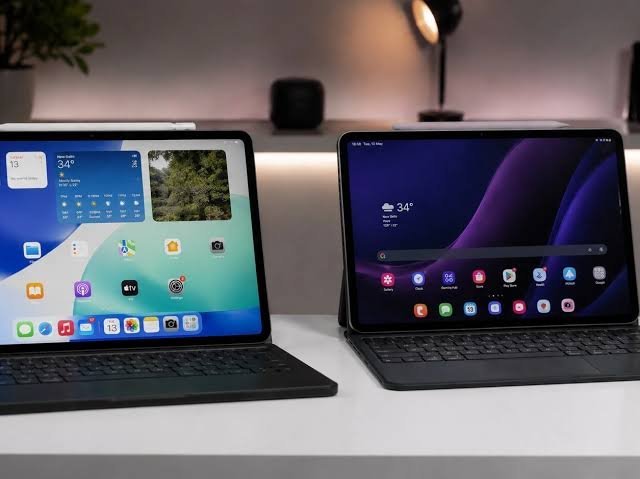
For years, shoppers weighing the choice between an Apple iPad and an Android tablet have leaned heavily on familiar battlegrounds: multitasking limitations, battery endurance, and raw specs. However, looking at these devices as direct, feature-by-feature competitors often leads to the wrong purchase.
Recent software shifts—most notably iPadOS 27 closing the gap on flexible window management—have altered the playing field. To make a confident choice, you need to look past the spec sheets and evaluate how a tablet fits into your everyday routine.
Quick Comparison at a Glance
| Feature | iPad | Android Tablet |
| Multitasking | Significantly enhanced via iPadOS 27 (resizable, flexible window management across most models) | Flexible window management and split-screen options |
| Display Options | Premium choices, including high-end Ultra Retina XDR and OLED panels | Greater variety across screen sizes, especially at lower price points |
| Ecosystem | Seamless integration with iPhone, Mac, and Apple services | Strong connectivity, though experience varies depending on device brands |
| Accessories | Generally premium quality, but requires careful attention to generation-specific compatibility | Wider range of flexible, third-party peripheral support |
| Battery Life | Reliable, all-day endurance on modern configurations | Strong endurance across mid-to-high-tier options |
| Price Range | More concentrated in mid-to-high pricing tiers | Broad spectrum, offering large screens at more budget-friendly prices |
Key Takeaways for Buyers
-
Multitasking is No Longer a Dealbreaker: Previously, Android tablets held a clear edge in side-by-side app management and desktop-like window resizing. With iPadOS 27, Apple has introduced flexible window management—extending even to supported older models like the 10th-generation iPad—making this a non-issue for everyday workflows.
-
Display Value Favors Android: If your primary goal is a massive screen for streaming movies, reading, or reviewing documents without breaking the bank, Android manufacturers provide a wider variety of large-display options at more accessible price points.
-
Ecosystem Remains Apple’s Strong Suit: For users deeply embedded in the Apple ecosystem, features like AirDrop, Handoff, and iCloud make the iPad feel like a natural extension of an iPhone or Mac. Android offers comparable cross-device harmony (particularly within specific brand ecosystems like Samsung Galaxy), but consistency varies.
-
Accessories and Batteries Are a Wash: Modern batteries easily clear a standard day of mixed use on both platforms. Meanwhile, Android offers broader third-party accessory flexibility, whereas iPads demand closer verification of generation-specific port and dimension compatibility.
The Verdict: Focus on Your Use Case
The right tablet isn’t the one with the flashiest specs; it’s the one aligned with your actual needs. If you live inside the Apple ecosystem and want a reliable productivity and media companion, the modern iPad is more capable than ever. If you want maximum screen real estate and flexible hardware options for your money, Android remains a compelling alternative.
