

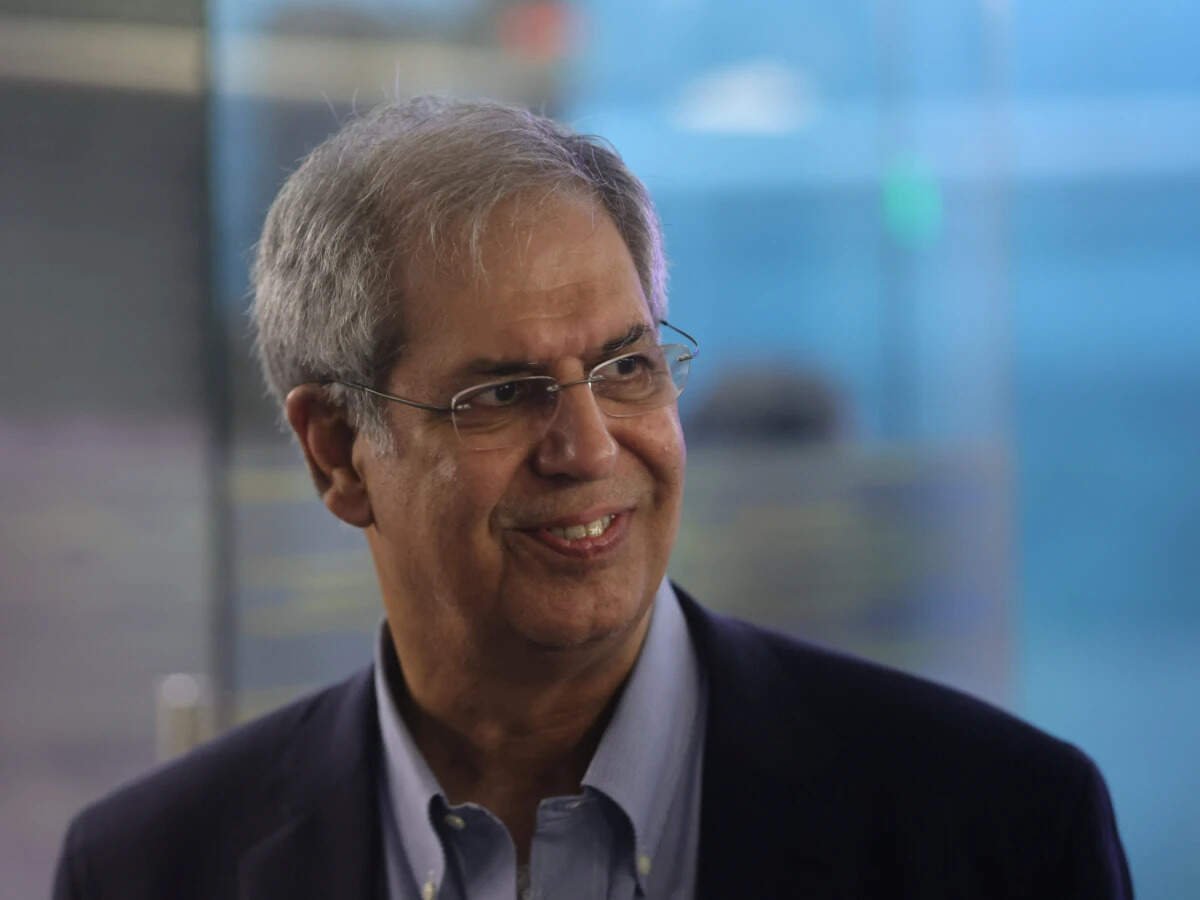
The internal leadership and governance dispute at Tata Trusts has intensified significantly, with seven constituent trusts filing a total of 84 caveats before the Maharashtra Charity Commissioner.
The legal maneuver is designed as a preventive firewall to ensure that rival factions cannot secure ex-parte or adverse regulatory orders behind closed doors.
Core Drivers Behind the Caveat Filings
-
The Catalyst (Srinivasan’s Challenge): The legal filings follow an escalating boardroom clash triggered by trustee Venu Srinivasan, who lodged a formal complaint with the Charity Commissioner. Srinivasan’s missive challenged internal administrative procedures, questioned the transition and assumption of leadership positions (including Noel Tata’s chairmanship), and raised governance concerns regarding trustee appointments—specifically targeting the induction of Noel Tata’s son, Neville Tata, onto key trust boards.
-
Protecting Right to a Hearing: By filing 84 individual caveats across the network (naming key figures like Noel Tata and Neville Tata among the caveators), the trusts aim to legally obligate the regulatory authority to notify them and grant a full hearing before passing any interim or final orders.
-
Deepening Trust Fractures: The dispute places powerful philanthropic entities—which collectively hold a massive controlling stake in Tata Sons—at the center of a public governance battle. Tensions have steadily spilled over into open factional disagreements concerning decision-making authority, handling of key resolutions, and the overarching administrative control of the empire.
Why This Matters for the Tata Group
Because Tata Trusts control the holding company Tata Sons, any regulatory intervention, freeze on board meetings, or structural dispute directly impacts leadership stability, strategic policy alignment, and overarching corporate governance at India’s largest conglomerate. The Maharashtra Charity Commissioner has directed responses to the pending complaints, keeping the spotlight heavily fixed on the trusts’ internal alignment.
