

As India enters its peak festive shopping period, investors, analysts, and policy watchers looking for early insights into consumer sentiment will find their clearest answers in corporate commentary. Rather than waiting weeks or months for lagged macroeconomic data, tracking a specific set of consumption-linked companies—and listening closely to their management commentary over the next 20 days—offers a real-time pulse on consumer confidence, demand trends, and spending patterns.
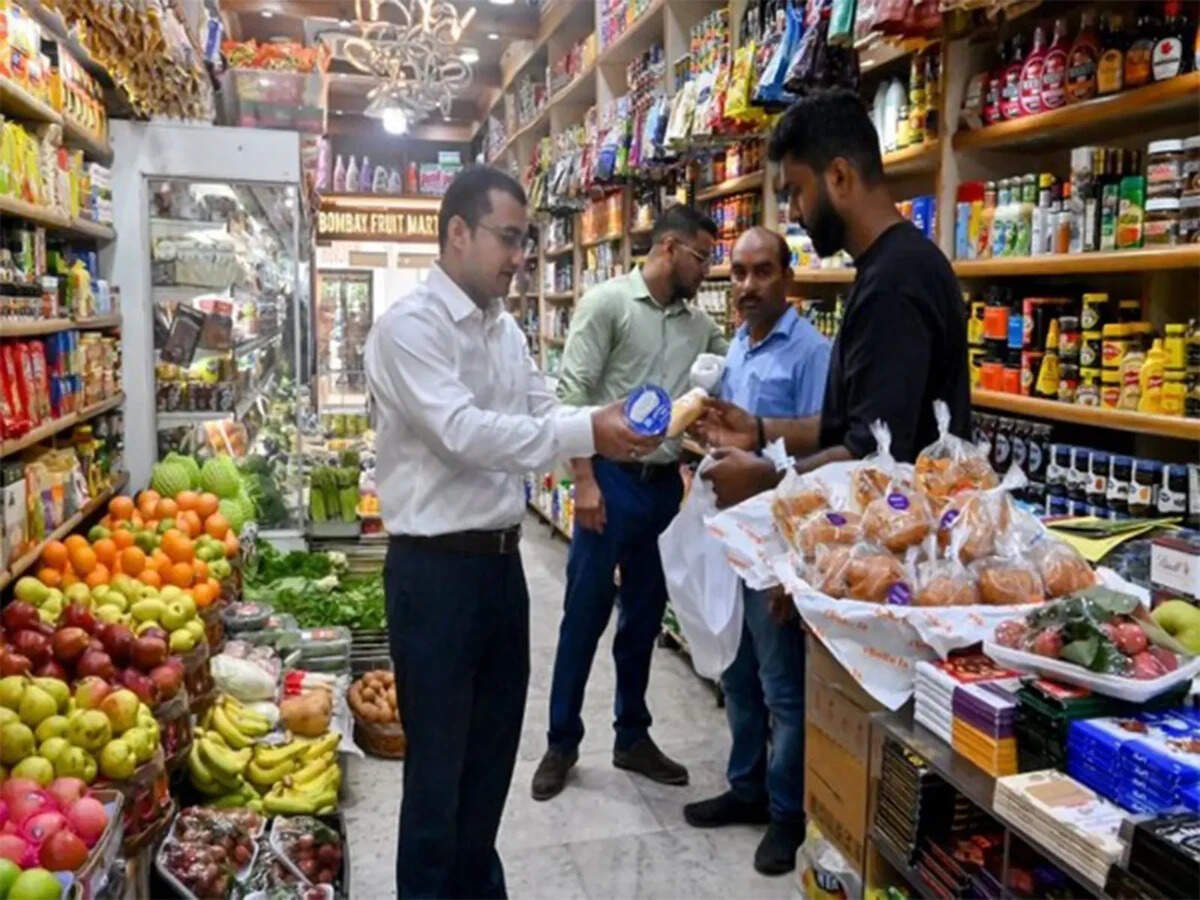
Kirana Stores vs. Modern Retail: A Decisive Evolution
A decade ago, industry experts questioned whether the rise of organized retail chains and foreign direct investment would spell the end of the neighborhood kirana store. Today, that debate is settled:
-
Resilience of Local Retail: Kiranas have proved resilient, maintaining their crucial role as immediate, hyper-local fulfillment points for daily necessities.
-
Coexistence and Adaptation: Instead of being wiped out, traditional retailers have adapted by adopting digital payments, quick-commerce fulfillment partnerships, and localized inventory management.
-
Diverse Demand Signals: Because different consumer segments shop through distinct channels—ranging from quick-commerce apps and modern retail chains to traditional kirana shops—tracking manufacturers across all these touchpoints delivers a complete picture of Indian consumer health.
What Companies Reveal Before Economists Notice
A select group of consumer-facing businesses senses shifts in the economy well before official economic indicators reflect them:
-
Trade-Up vs. Trade-Down Dynamics: Management commentary reveals whether households are upgrading to premium product variants or opting for budget/value options.
-
Rural vs. Urban Demand Disparity: Volume growth data from consumer goods and durable leaders highlights whether rural recovery is outpacing urban demand or vice versa.
-
Discretionary vs. Non-Discretionary Spending: Strong pre-orders and festive footfalls across auto, retail, and consumer electronics signal a willingness to spend on high-ticket items, whereas subdued sales point to household belt-tightening.
Key Sectors and Categories to Watch Over the Next 20 Days
To capture early festive demand signals, monitor management updates, volume trends, and channel checks across five core consumer pillars:
-
Fast-Moving Consumer Goods (FMCG): Companies monitoring volume growth across both urban centers and tier-2/tier-3/rural markets (e.g., packaged foods, personal care).
-
Consumer Electronics & Home Appliances: Demand trends for high-end 4K/QLED TVs, smart washing machines, and kitchen appliances.
-
Automobiles & Two-Wheelers: Festival showroom walk-ins, pre-booking conversion rates, and festive delivery figures for passenger vehicles and two-wheelers.
-
Apparel, Quick-Commerce & E-Commerce Platforms: Discounting levels, order volumes, and average basket sizes during festive sales events.
-
Jewelry & Retail Chains: Footfall and sales performance around auspicious buying days like Dhanteras and Diwali.
What Investors Should Listen For in Management Commentary
Over the next 20 days, as earnings calls and post-festive commentary roll in, pay attention to:
-
Volume Growth vs. Value Growth: Is revenue growth being driven by actual product volume, or merely by price increases?
-
Inventory Liquidation: Are inventory levels at dealers and distributors clearing out comfortably post-Diwali, or will post-festive discounting be required?
-
Margin Trends: Are rising input costs or high promotional spending squeezing operating margins?
