

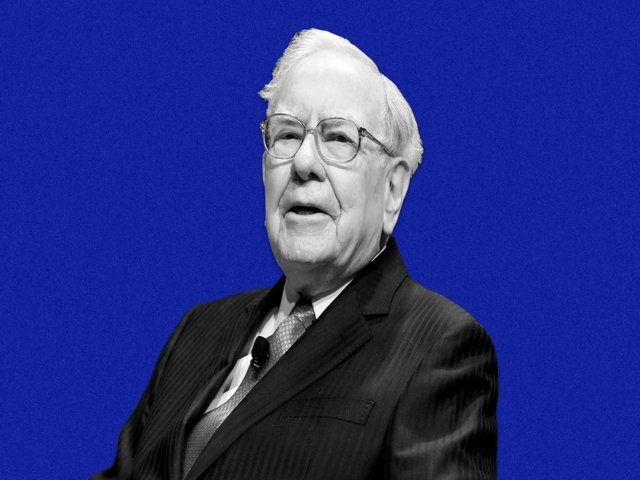
In the world of wealth creation, doing what feels intelligent often produces the exact opposite result. Wall Street and the modern money management industry thrive on encouraging behaviors that sound sophisticated—active trading, chasing elite fund managers, paying premium fees, and timing macro cycles.
However, as Warren Buffett’s famous $1 million public bet against active hedge fund managers proved, high friction, high fees, and hyperactive strategies routinely underperform simple, low-cost index investing over time.
Here are 5 common habits that feel like smart investing, but actually erode long-term wealth:
1. Paying High Fees for “Expert” Active Management
-
The Illusion: Paying a top-tier fund manager or advisor a 1%–2% management fee (plus performance bonuses) buys superior stock-picking skill and protection against market drops.
-
The Reality: Active management fees create an asymmetrical dynamic where fund managers keep hefty bonuses during good years but share none of the downside losses in bad years. Over time, recurring fees compound quietly, consuming a massive fraction of an investor’s total lifetime returns.
2. Mistaking Hyperactivity for Productivity
-
The Illusion: Checking portfolios daily, constantly rebalancing, and shifting money into the “hottest” sectors makes you an engaged, proactive investor.
-
The Reality: Frequent trading triggers friction costs—capital gains taxes, brokerage fees, and bid-ask spreads. As Buffett famously notes, “The stock market is a device for transferring money from the active to the patient.” Excessive activity usually leads to buying high out of FOMO and selling low out of panic.
3. Chasing Past Top Performers & Winning Funds
-
The Illusion: Investing in last year’s top-performing mutual fund or hedge fund guarantees continued high returns.
-
The Reality: Outperformance in short windows is frequently driven by luck, temporary market momentum, or concentrated risk rather than repeatable skill. Today’s star fund manager often reverts to the mean tomorrow, leaving late arriving investors holding overvalued assets.
4. Attempting to Time the Market and Economic Cycles
-
The Illusion: Moving to cash before an anticipated recession or market pull-back and re-entering at the bottom preserves capital.
-
The Reality: Market timing requires getting two difficult decisions right sequentially: when to get out and when to get back in. Missing just a handful of the market’s best-performing recovery days severely damages long-term compounded growth.
5. Overcomplicating Portfolios with “Complex” Products
-
The Illusion: Sophisticated investors must own complex instruments—structured products, thematic funds, derivative strategies, or opaque private placements.
-
The Reality: Complexity primarily generates higher commissions for financial intermediaries. Simple, transparent assets (like low-cost index funds or high-quality, durable businesses) are far easier to evaluate and carry lower structural risk.
Summary Takeaway
True investing success is rarely about intelligence or complexity; it is about discipline, low costs, and long-term patience. As Buffett demonstrated in his decade-long bet, a simple, low-cost broad market index fund will consistently beat complex, high-fee strategies simply by avoiding unnecessary friction and letting compounding do the heavy lifting.
