

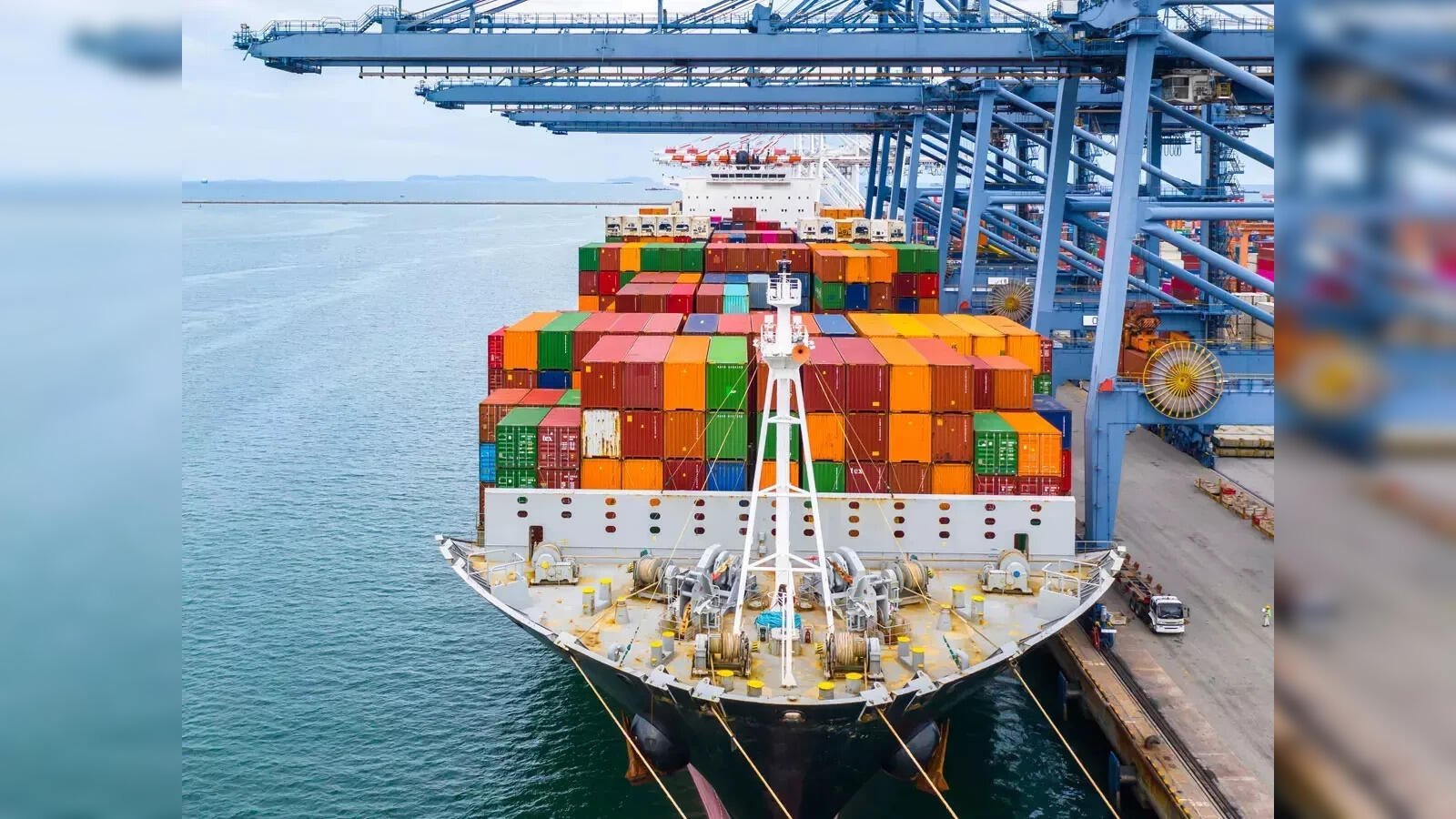
The ongoing West Asia conflict, which escalated on February 28, 2026, has created a severe logistical bottleneck for India’s agricultural sector. While exports of staples like rice and perishables like grapes and onions have technically resumed, the trade is currently struggling under the weight of six-fold freight increases and massive financial penalties.
The Middle East is a critical market for India, accounting for nearly 22% of total food exports (valued at over $50 billion in 2025) and up to 70% of Basmati rice shipments.
1. The Logistics Nightmare: From Sea to Road
With primary shipping routes under threat, trade has been diverted to smaller ports, creating a “domino effect” of delays:
-
Port Diversion: Cargo originally destined for the massive Jebel Ali Port is being rerouted to smaller ports like Khorfakkan and Fujairah.
-
Capacity Issues: These smaller ports lack the infrastructure to handle the massive volumes usually processed by Dubai, leading to clearance delays.
-
Road Transport: Exporters must now move containers by road from these smaller ports to their final destinations, adding $60–$100 per container in extra costs.
2. The Soaring Cost of Trade
The financial viability of exporting to the Gulf is currently under threat due to a dramatic spike in operational costs:
| Cost Factor | Before Conflict | Current (April 2026) |
| Vegetable Freight | ~$150 per container | $900 per container |
| Detention Charges | Standard rates | $7,000 – $10,000 per FCL |
| Insurance | Low/Stable | Rising (due to Strait of Hormuz risks) |
-
Detention Charges: Shipping lines are demanding astronomical fees for containers that have been stranded at ports for over a month, putting immense pressure on exporters’ liquidity.
3. Impact on Perishables and Staples
The delay in clearances is particularly devastating for the “Fresh” segment:
-
Perishables (Onions, Bananas, Grapes): These items have a limited shelf life. Longer transit times and road transport through conflict zones have significantly hit shipment volumes.
-
Basmati Rice: As India’s premier agri-export, the instability is disrupting not just shipments but also payment cycles and trade coordination for Punjab-based exporters.
4. Broader Economic Risks
The Global Trade Research Initiative (GTRI) has warned of a prolonged impact if the Strait of Hormuz remains unstable:
-
Stagflation Risk: High insurance and freight costs could lead to “imported inflation” in the Gulf and lower realizations for Indian farmers.
-
Market Share Loss: If India cannot reliably supply the region, competitors may move in, though India’s proximity usually gives it a dominant edge in the “fresh” category.
Bottom Line: For India’s agri-exporters, the current crisis is no longer just about finding a ship—it’s about whether the cost of shipping exceeds the value of the cargo itself. As Ekram Husain of the Fresh Fruits and Vegetables Exporters Association noted, the trade is currently becoming “economically unviable.”
