

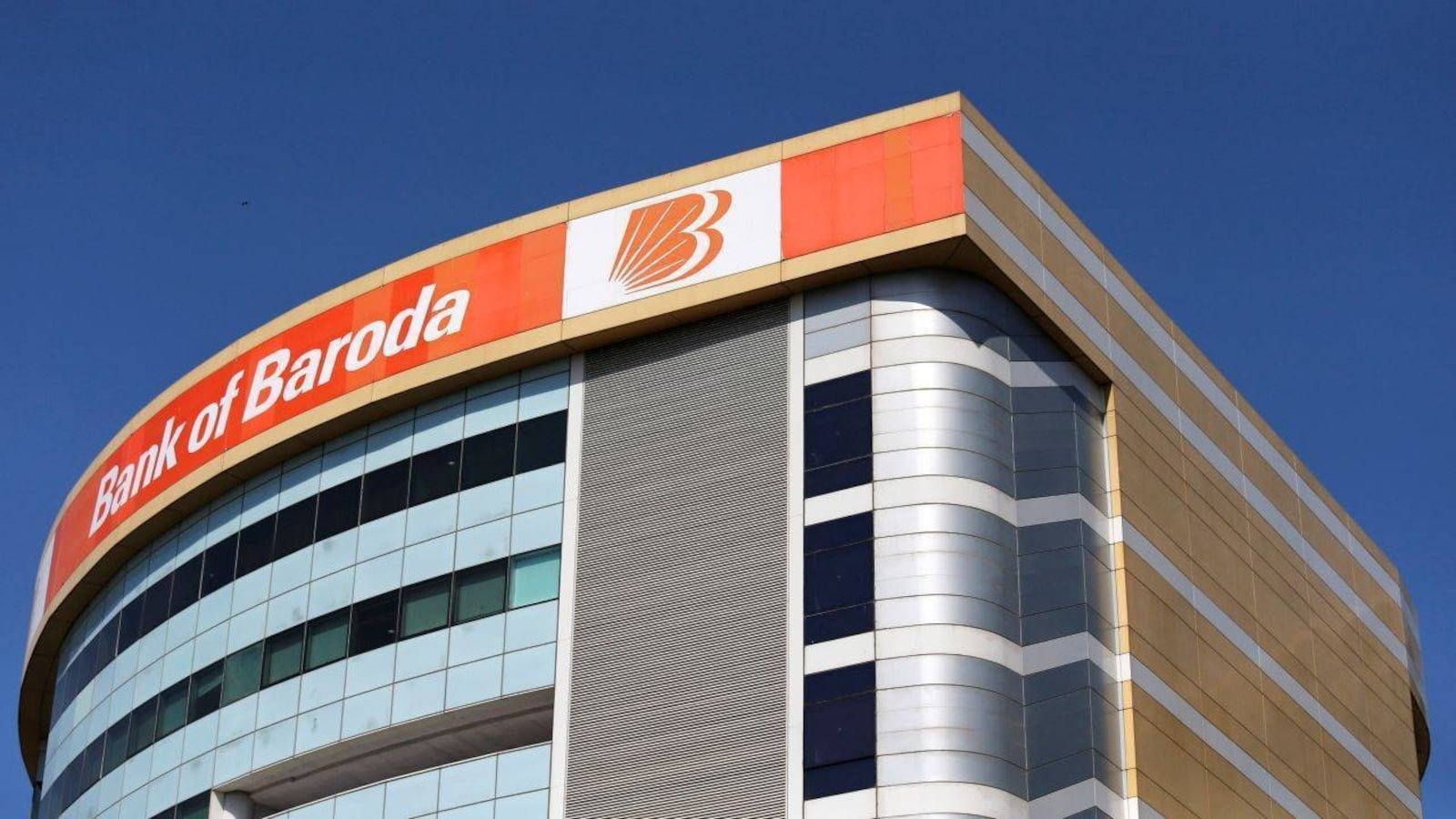
Bank of Baroda (BoB) has launched a sophisticated AI-driven multilingual platform across its physical branches to transform the customer experience. This “phygital” initiative aims to bridge language gaps and streamline traditional banking operations through real-time digital assistance.
Key Features of the AI Platform
-
Real-Time Translation: The platform supports communication in over 12 Indian languages, allowing customers to interact with branch staff in their preferred regional tongue.
-
Voice-Enabled Assistance: Customers can use voice commands for basic inquiries, reducing the need for manual form-filling and navigating complex menus.
-
Automated Queue Management: The system integrates with branch ticketing to provide personalized updates and estimated wait times based on the specific service requested.
-
Document Simplification: The AI can scan and explain complex banking terms or document requirements in simplified, local language snippets.
Strategic Objectives
-
Enhancing Financial Inclusion: By removing language barriers, the bank aims to make formal banking more accessible to rural and semi-urban populations who may struggle with English or Hindi-centric interfaces.
-
Operational Efficiency: Automating routine queries (like balance checks or KYC status) frees up branch staff to focus on high-value advisory roles and complex problem-solving.
-
Digital Transition: The platform acts as a “digital bridge,” helping traditional customers get comfortable with AI-driven tools in a familiar, guided environment.
Why It Matters
While most banking innovation focuses on mobile apps, Bank of Baroda’s move recognizes that a significant portion of the Indian population still relies on physical branches for high-trust transactions. This launch positions BoB as a leader in utilizing AI for direct, frontline customer empowerment rather than just backend data processing.
Rollout Plan
The platform is currently being piloted in select “smart branches” across major metros and rural hubs. A nationwide rollout across BoB’s network of over 8,000 branches is expected to be completed within the current fiscal year.
