

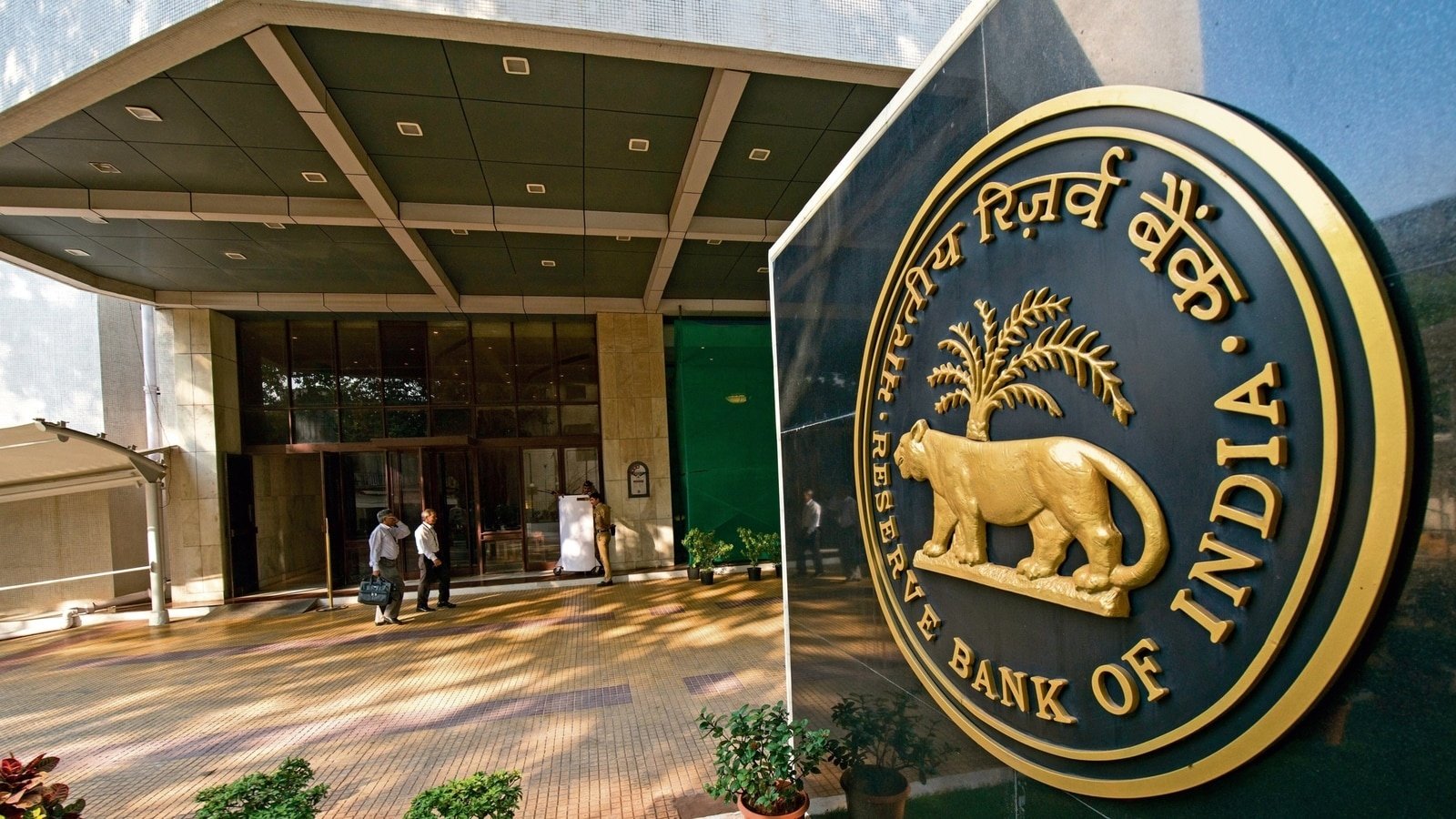
Following the April 2026 Monetary Policy Committee (MPC) meeting, the Reserve Bank of India (RBI) has detailed the specific “pain points” for the Indian economy resulting from the escalating conflict in West Asia.
While India’s domestic fundamentals remain strong, the central bank warned that a prolonged “Iran War” scenario creates significant external headwinds.
1. The Energy Shock: Crude Oil Volatility
The most immediate threat identified by the RBI is the spike in global oil prices.
-
The baseline risk: The RBI has had to raise its crude oil price assumption for FY27 to $85 per barrel (up from $70).
-
Price Surges: In March 2026, prices briefly breached the $100 mark due to fears of supply disruptions in the Strait of Hormuz.
-
The Impact: Since India imports over 80% of its crude requirements, every $10 increase in oil prices can widen the Current Account Deficit (CAD) and add significant pressure to headline inflation.
2. Remittances: The Wealth of the Diaspora
India is the world’s largest recipient of remittances, with a massive portion originating from the Gulf region.
-
Regional Stability: While Iran itself is not the primary source of these funds, the RBI noted that a wider regional conflict threatens the stability of neighboring countries like the UAE, Saudi Arabia, and Qatar.
-
Economic Slowdown: If the conflict dampens economic activity in the Middle East, the flow of funds from Indian expatriates could slow down. This would impact India’s “invisible earnings,” which traditionally help bridge the trade deficit.
3. Trade and Exports: Logistics and Demand
The conflict creates a dual challenge for Indian exporters:
-
Route Disruptions: Escalation in the region threatens vital maritime trade routes. Increased insurance premiums for shipping and longer “avoidance” routes (around the Cape of Good Hope) are making Indian exports less competitive due to higher freight costs.
-
Softening Demand: The RBI highlighted that geopolitical uncertainty is causing a global “risk-off” sentiment, which typically leads to lower demand for non-essential exports in key markets.
The RBI’s Counter-Strategy
Despite these “bite points,” Governor Sanjay Malhotra emphasized that India is better prepared than in previous cycles:
-
Forex Reserves: India’s substantial foreign exchange reserves (approaching $700 billion) act as a primary shield against currency volatility.
-
Diversified Sourcing: India has actively diversified its energy sources to reduce over-reliance on any single region.
-
Policy Flexibility: The RBI has maintained a stance of “withdrawal of accommodation” to keep inflation expectations anchored, ensuring that “imported inflation” does not seep into the permanent price structure of the economy.
Summary: The RBI view is that while India is not “decoupled” from the Iran conflict, its strong domestic demand and proactive regulatory buffers should prevent the economy from being derailed, provided the conflict does not escalate into a total regional shutdown.
